7 Associate Electrical Design Engineer Resume Templates with Example
This practical guide shows you how to build an Associate Electrical Design Engineer resume that is clear, focused, and easy to review. You will learn how to organize your evidence so recruiters can quickly understand your fit for the role.
Strong content should connect electrical design work with aerospace test needs. Use concise experience bullets and relevant terms such as electrical interfaces, schematics, system integration, instrumentation, data acquisition, cable harnesses, troubleshooting, AutoCAD, Siemens Capital, Microsoft Visio, and NI LabVIEW hardware interfaces when they accurately match your background.
The same complete resume is presented in 7 ATS-friendly layouts so you can compare reading flow, section structure, and visual organization while keeping the underlying qualifications consistent.
What Makes a Great Associate Electrical Design Engineer Resume in 2026
A strong resume is easy to scan and shows direct evidence of electrical design, integration, checkout, troubleshooting, and test support.
Match your wording to the role with accurate terms for schematics, cable harnesses, instrumentation, data acquisition, CAD tools, fabrication, and configuration control.
The examples shown below are intentionally detailed to demonstrate a range of experiences, skills, accomplishments and relevant keywords. We prefer detailed resumes as they provide more context to the hiring managers and also help the ATS systems identify relevant qualifications and score your resume better for a match. But the length of a resume is an individual choice. If you want a one page resume, just keep the most relevant experience and information for the job. Note: Resume examples are for educational purposes only. Use only information that accurately reflects your experience and qualifications. References to real organizations do not imply affiliation or endorsement.
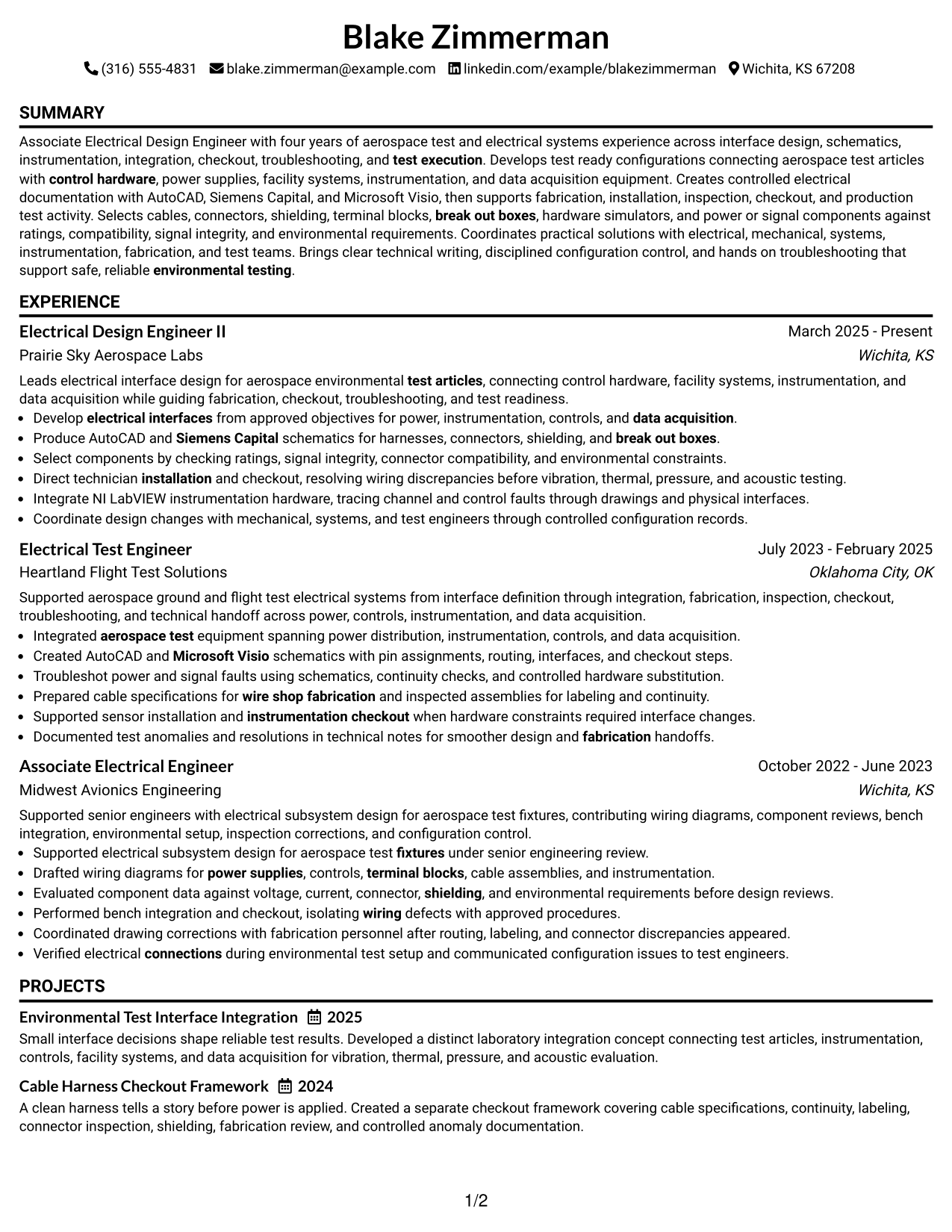
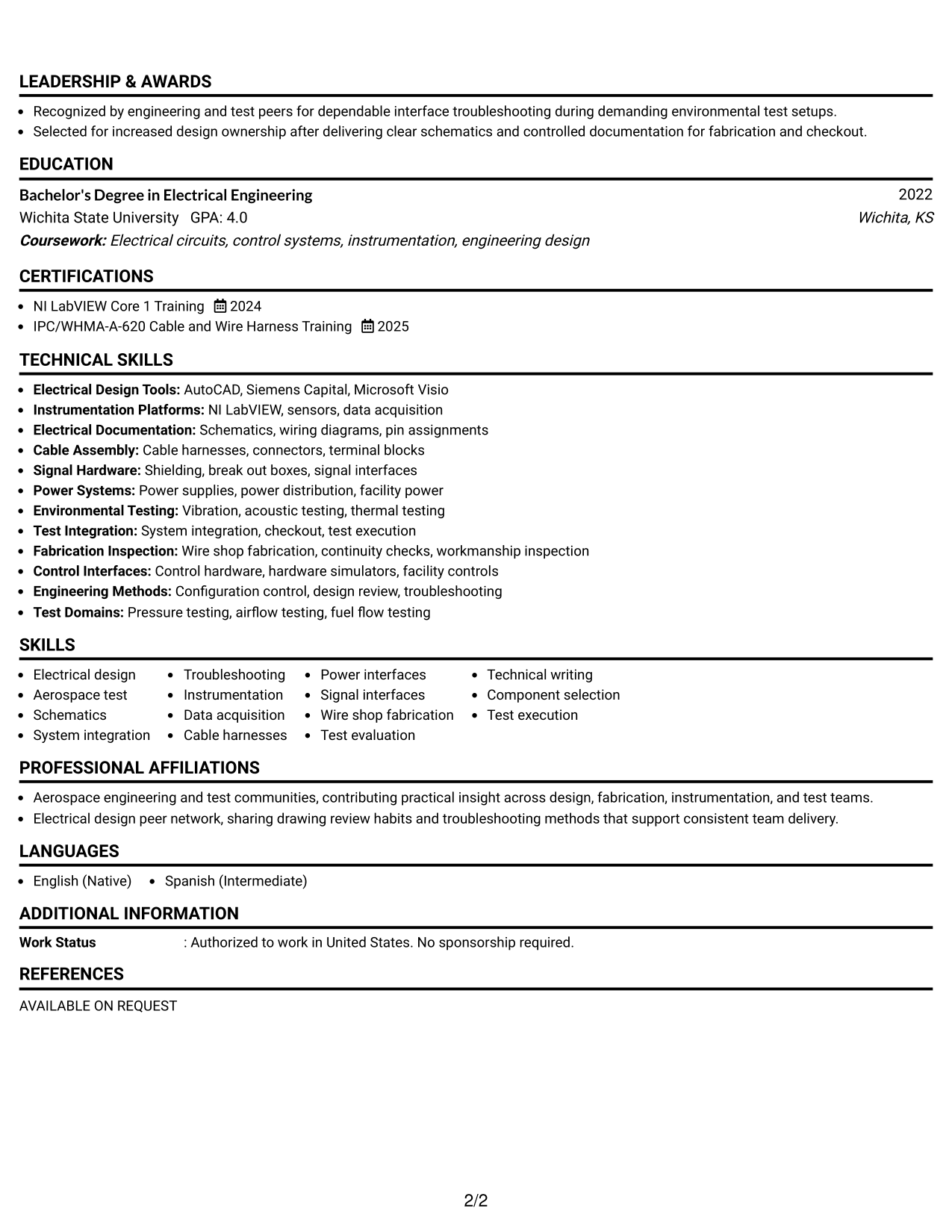
#1 Simple One Column Format Resume Example
A simple one-column flow gives recruiters a direct reading path through each resume section.
Why This Format Works
- Linear reading order keeps experience and career progression easy to follow.
- Full-width sections give skills and credentials clear space without competing columns.
- Straight section boundaries help recruiters move from experience to education quickly.
Best For
- Direct chronological reading
- Detailed experience sections
- Clear career progression
- Traditional recruiter review
- Simple section hierarchy
Resume Keywords
- Associate Electrical Design Engineer
- electrical interfaces
- aerospace test
- electrical schematics
- system integration
- troubleshooting
- instrumentation
- data acquisition
- cable harnesses
- AutoCAD
- Siemens Capital
- Microsoft Visio
- NI LabVIEW hardware interfaces
- wire shop fabrication
- configuration control
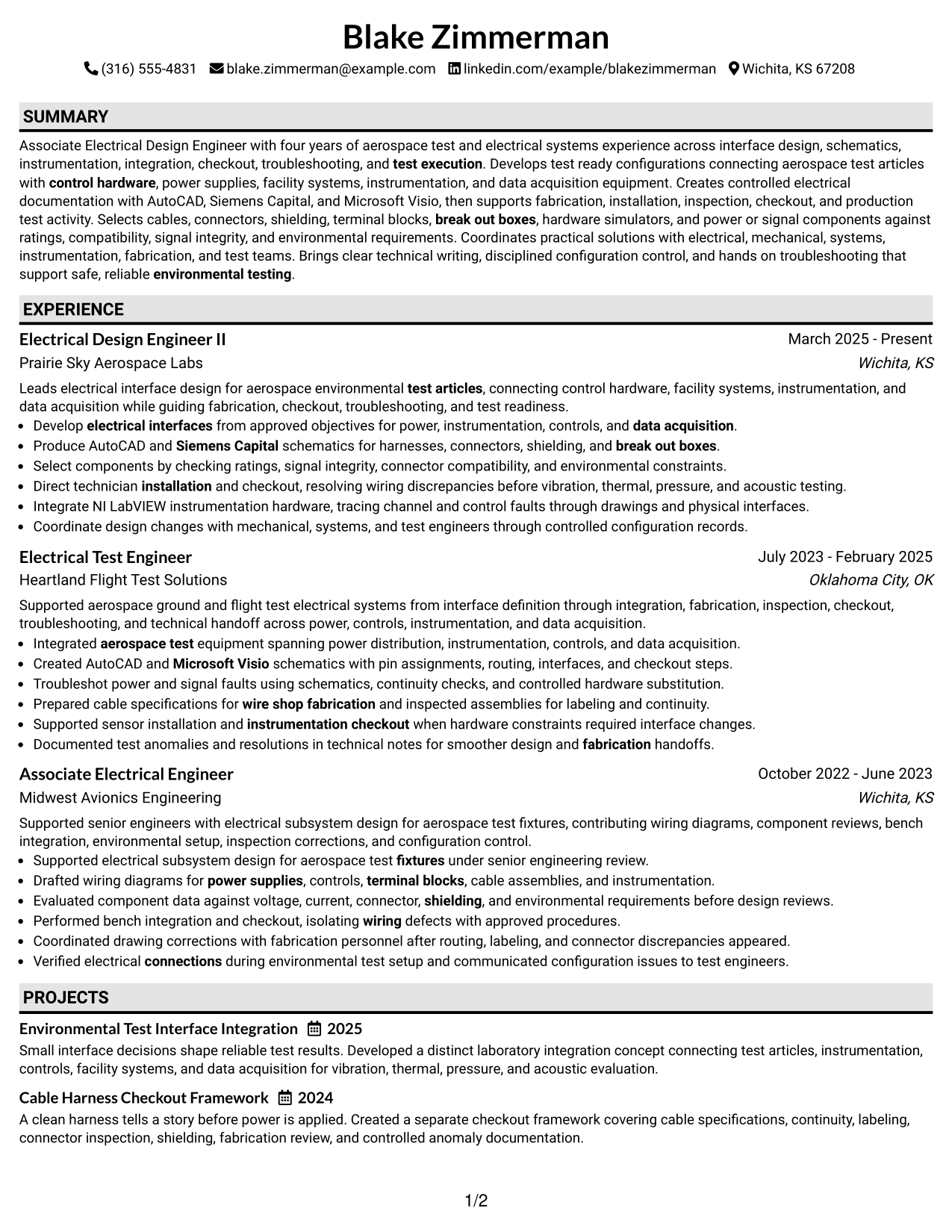
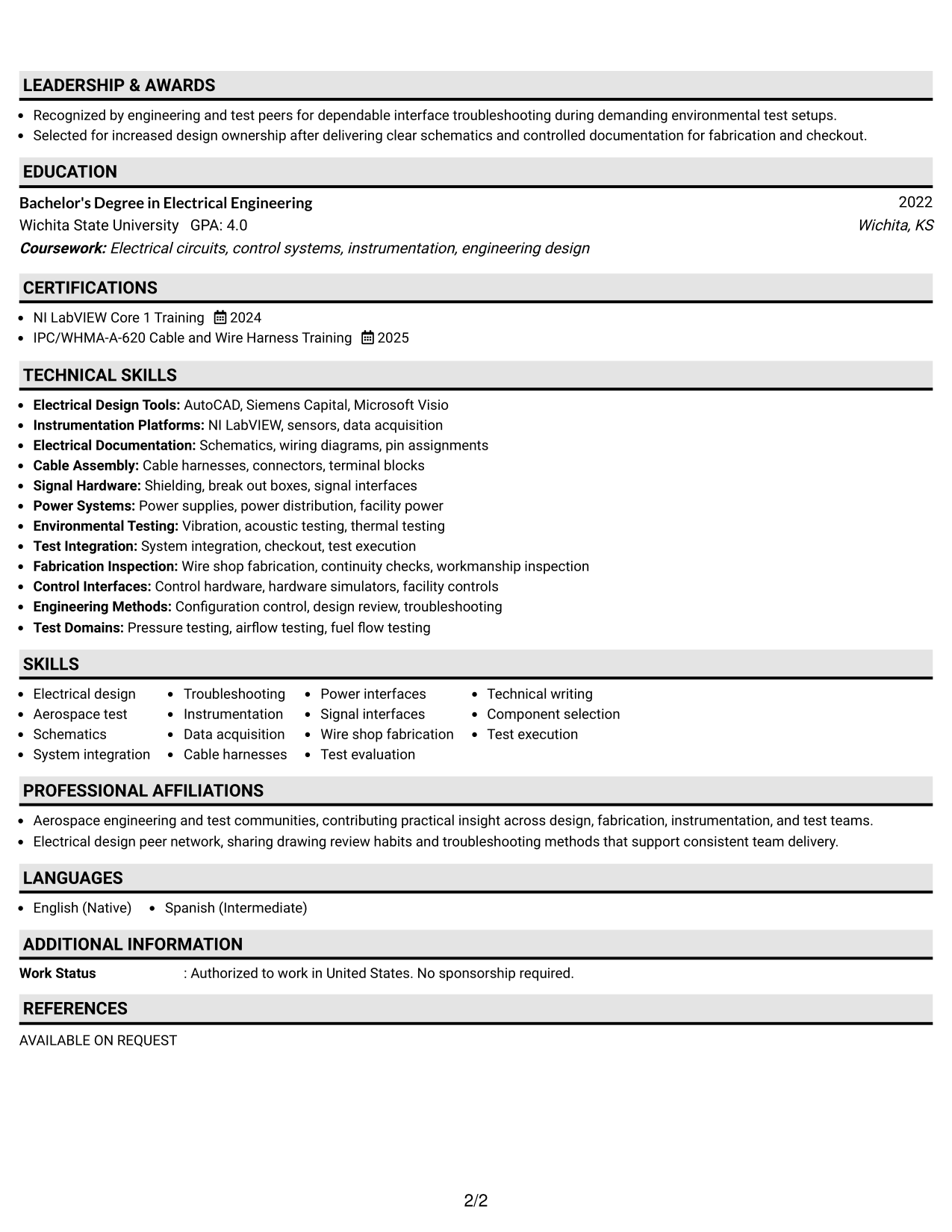
#2 Plain One Column with Shaded Labels Resume Example
Shaded section labels break the one-column resume into clear stops for faster recruiter scanning.
Why This Format Works
- Shaded labels separate experience, skills, and education without changing reading order.
- One-column structure keeps career history continuous while labels mark each section.
- Visible section breaks help credentials stand apart from longer experience content.
Best For
- Longer section names
- Frequent section changes
- Fast visual navigation
- Mixed experience and credentials
- Readers who prefer labeled sections
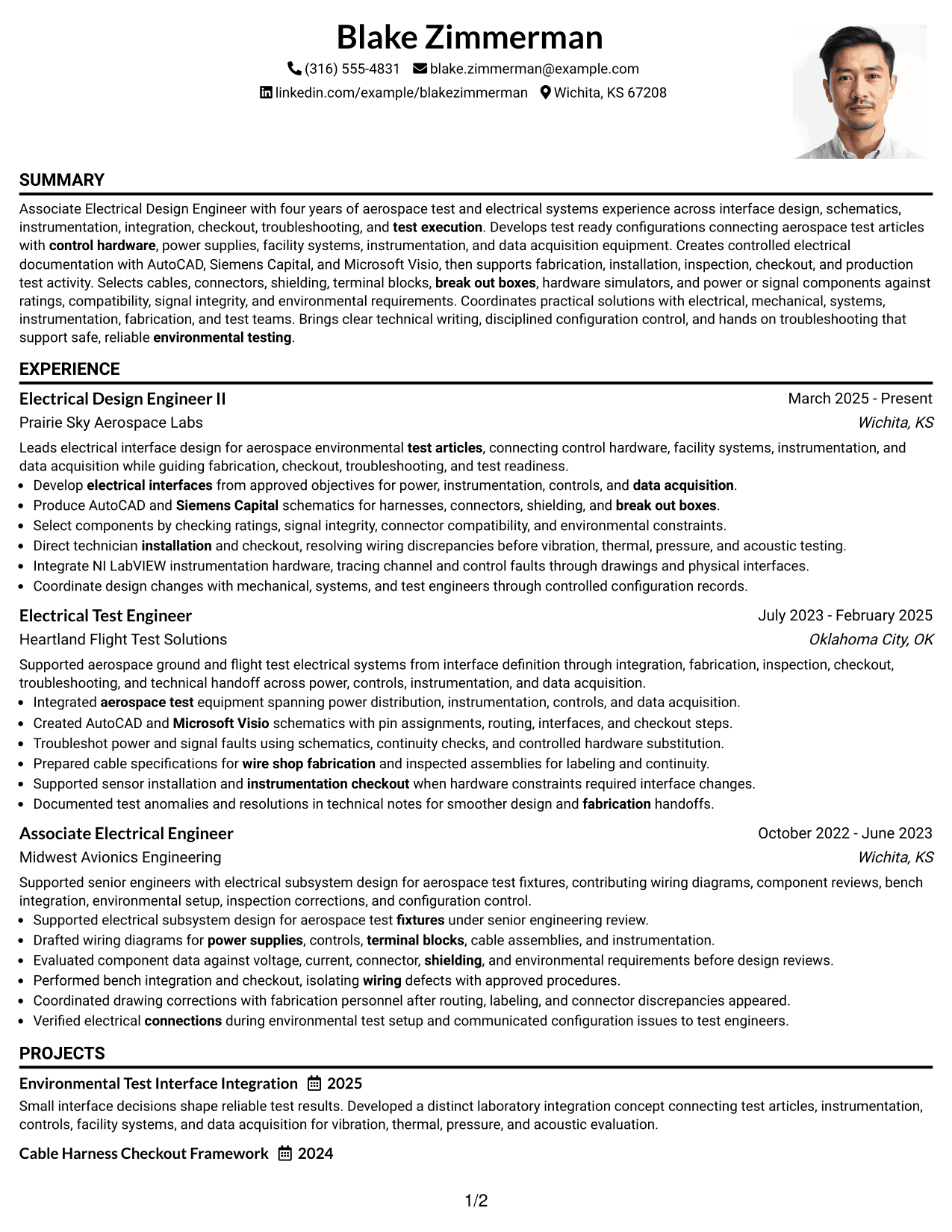
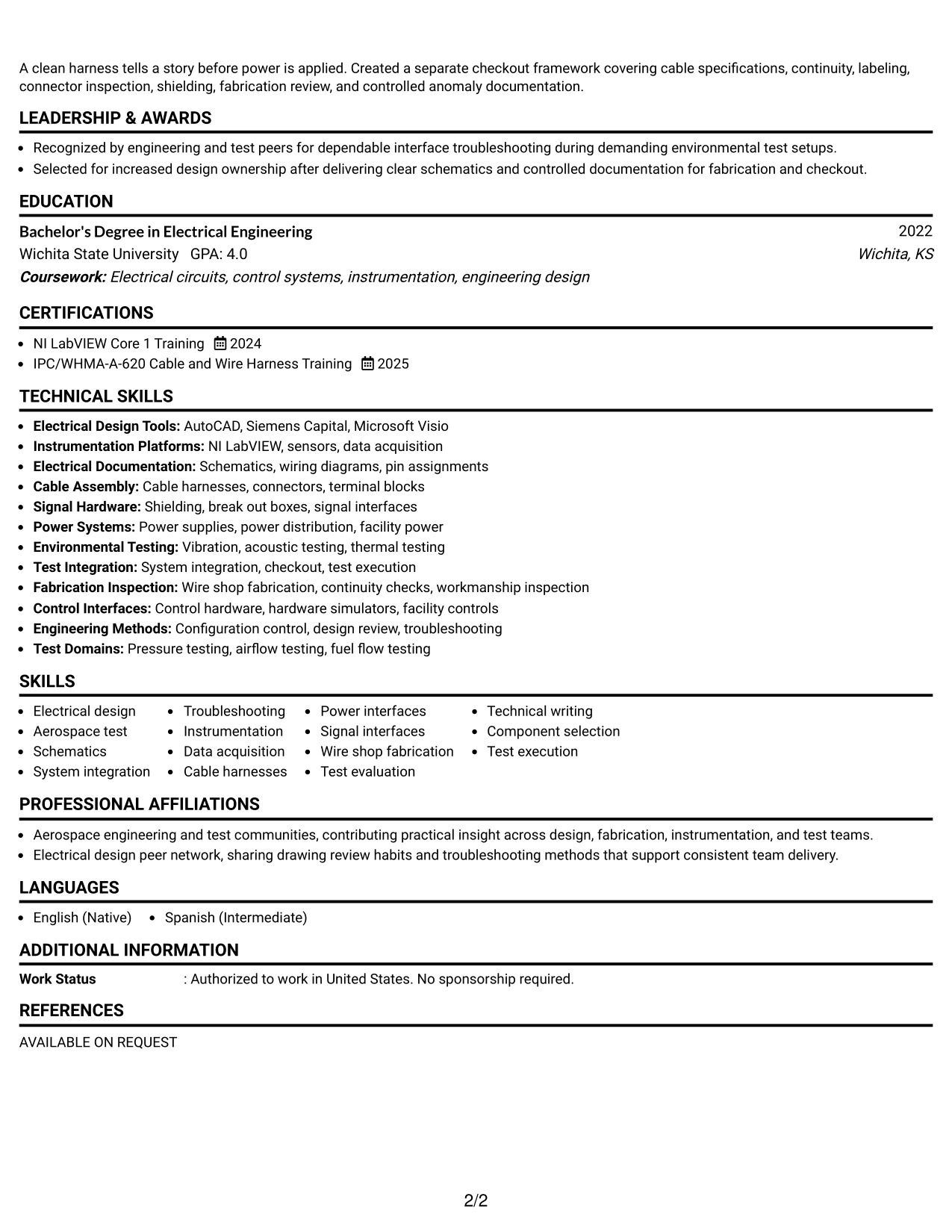
#3 One Column Format with Photo Right Resume Example
A right-side photo adds personal identification while the one-column body keeps recruiter scanning linear.
Why This Format Works
- One-column body preserves a steady path through experience, skills, and education.
- Right-side photo identifies the person without dividing the main resume content.
- Consistent vertical flow keeps credentials and career progression in sequence.
Best For
- Markets where photos are customary
- Linear career histories
- Personal identification needs
- Applications outside standard U.S. practice
- Readers favoring vertical flow
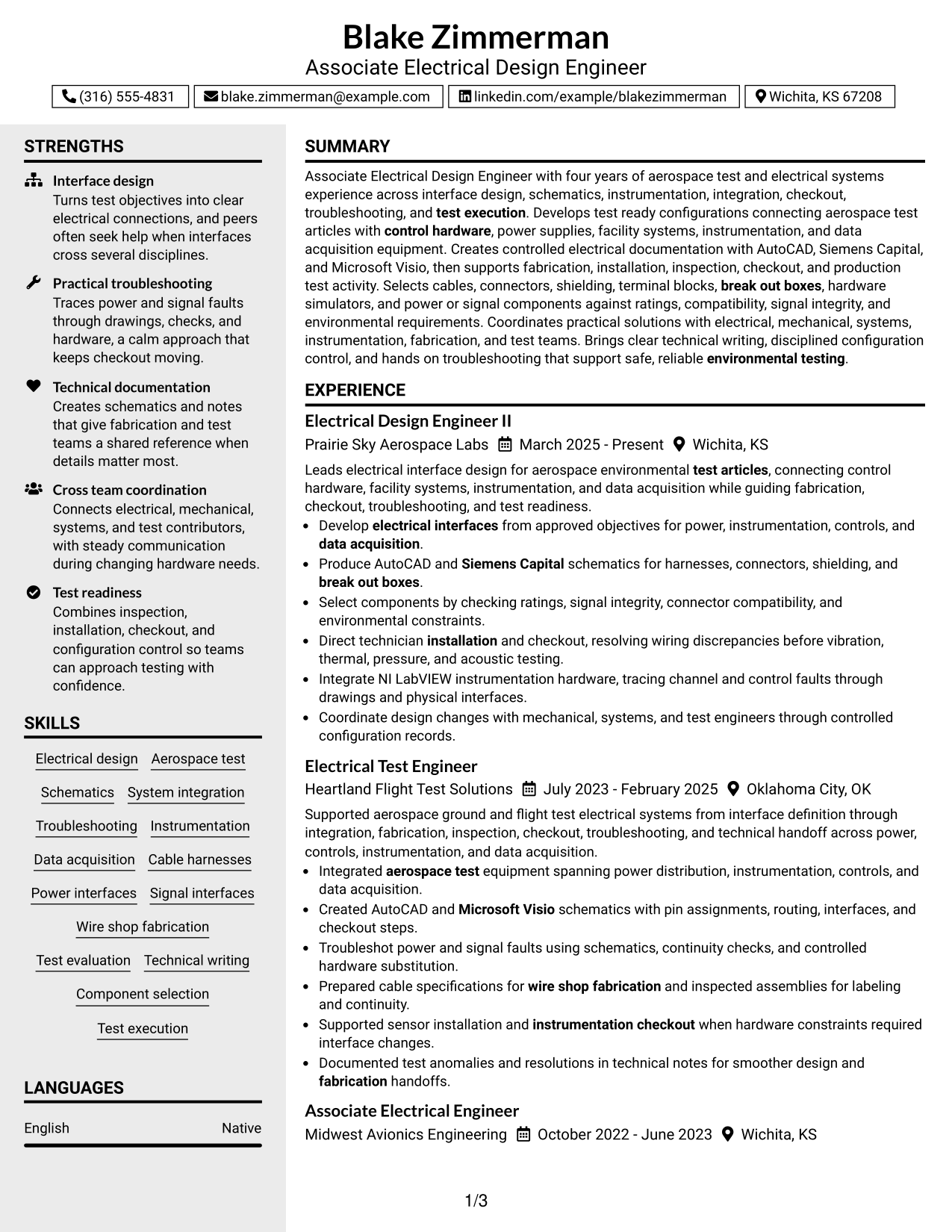
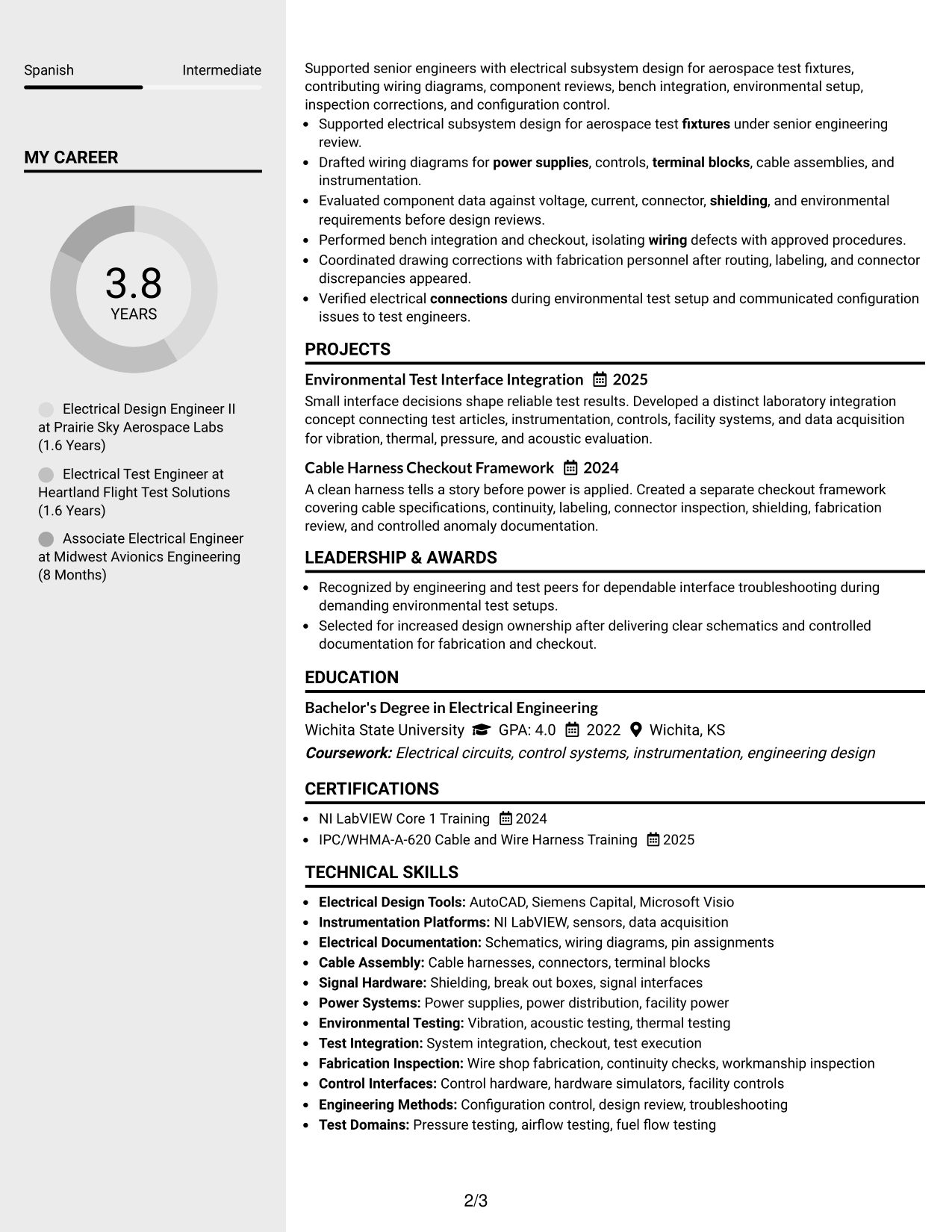
#4 Clean Two Column Sidebar Format Resume Example
A clean two-column sidebar separates supporting details from main content for quick recruiter review.
Why This Format Works
- Sidebar separation keeps compact skills and credentials distinct from detailed experience.
- Two-column organization lets recruiters scan supporting sections beside career history.
- Main content area gives experience room while secondary details stay easy to find.
Best For
- Compact skills sections
- Visible supporting credentials
- Experience-heavy resumes
- Side-by-side information review
- Clear primary and secondary content
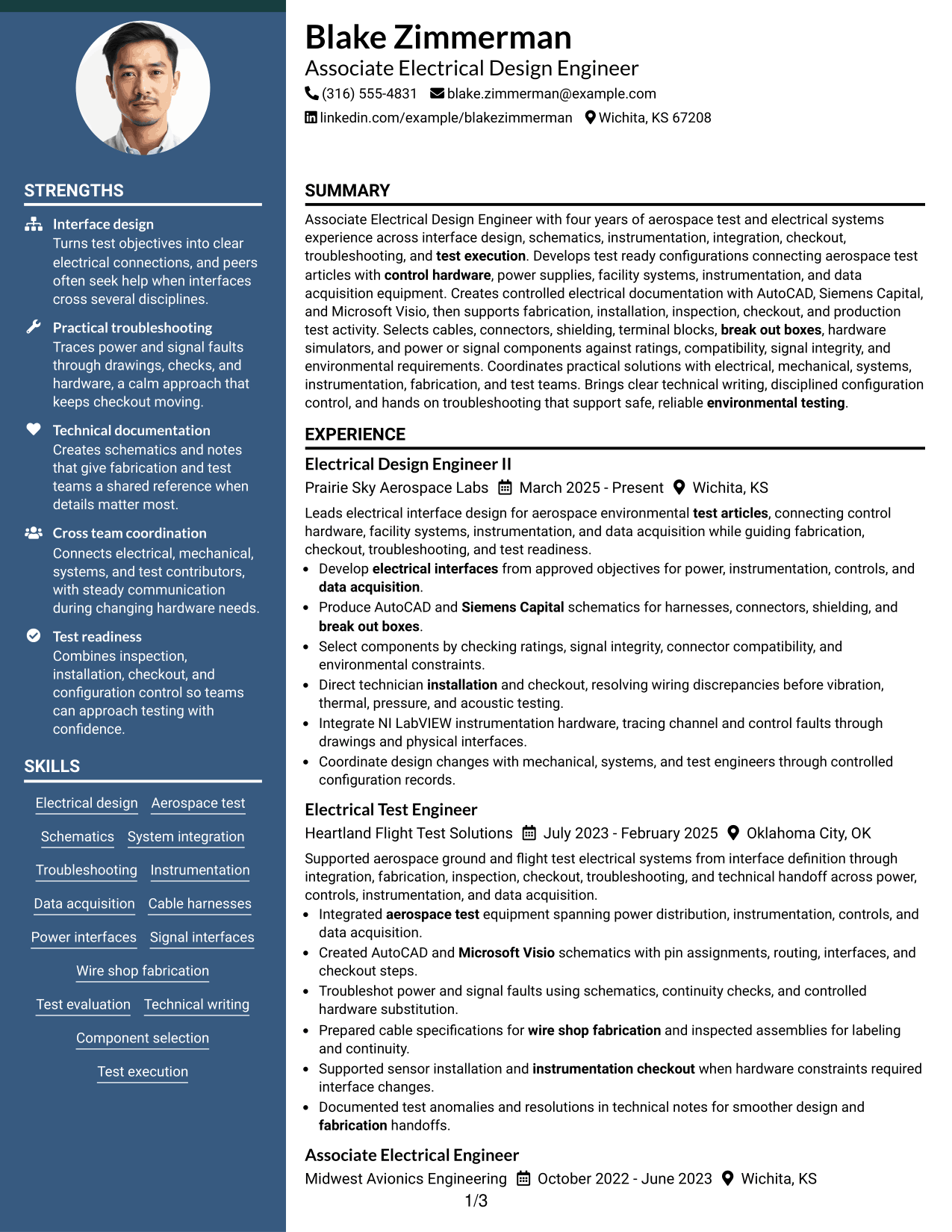
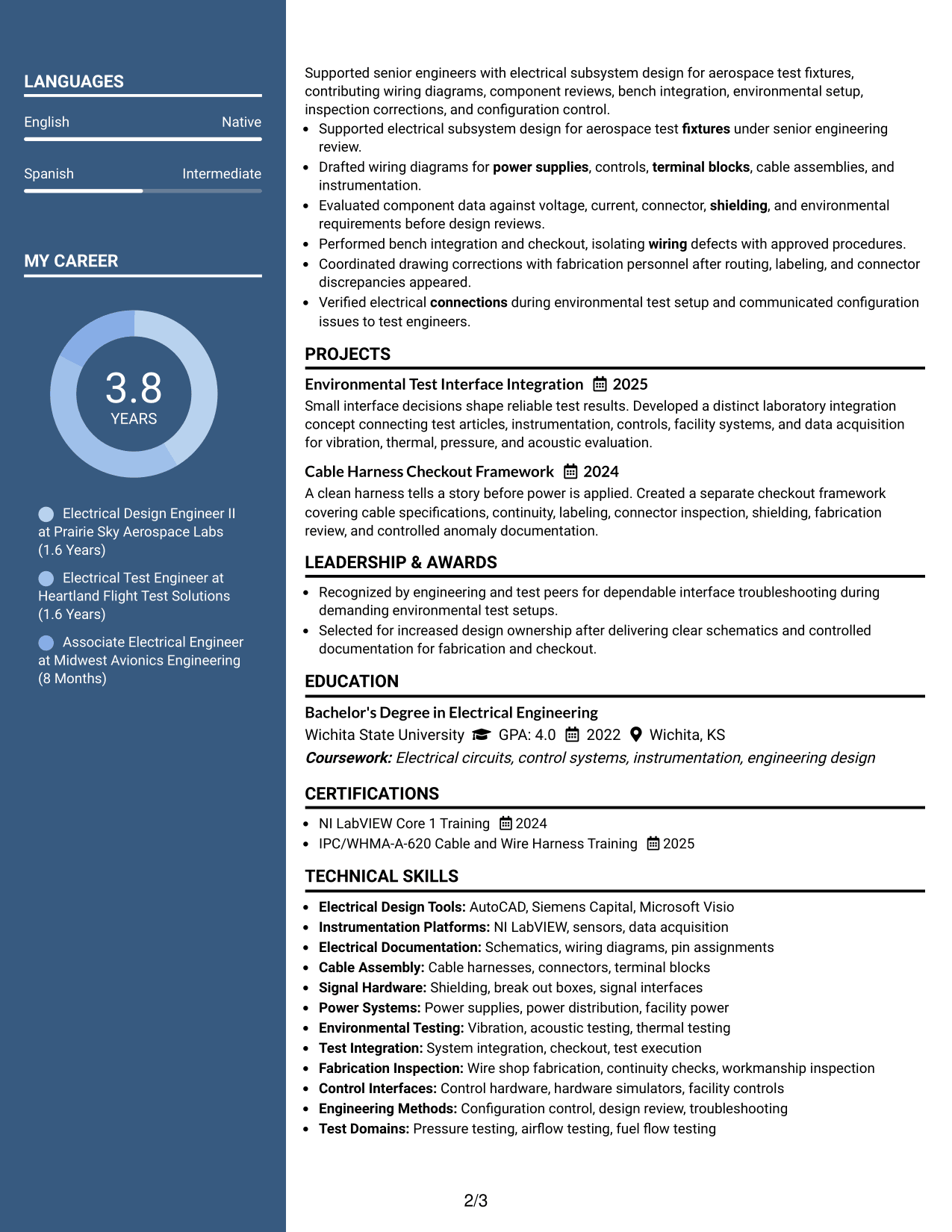
#5 Two Column Format Resume Example
A balanced two-column body lets recruiters compare core resume sections without a long vertical scan.
Why This Format Works
- Parallel columns reduce vertical travel across experience, skills, education, and credentials.
- Balanced section space helps recruiters compare career evidence with supporting qualifications.
- Separate content areas make dense resume information easier to scan in groups.
Best For
- Broad supporting qualifications
- Dense resume content
- Quick cross-section comparison
- Balanced content groups
- Readers comfortable with parallel scanning
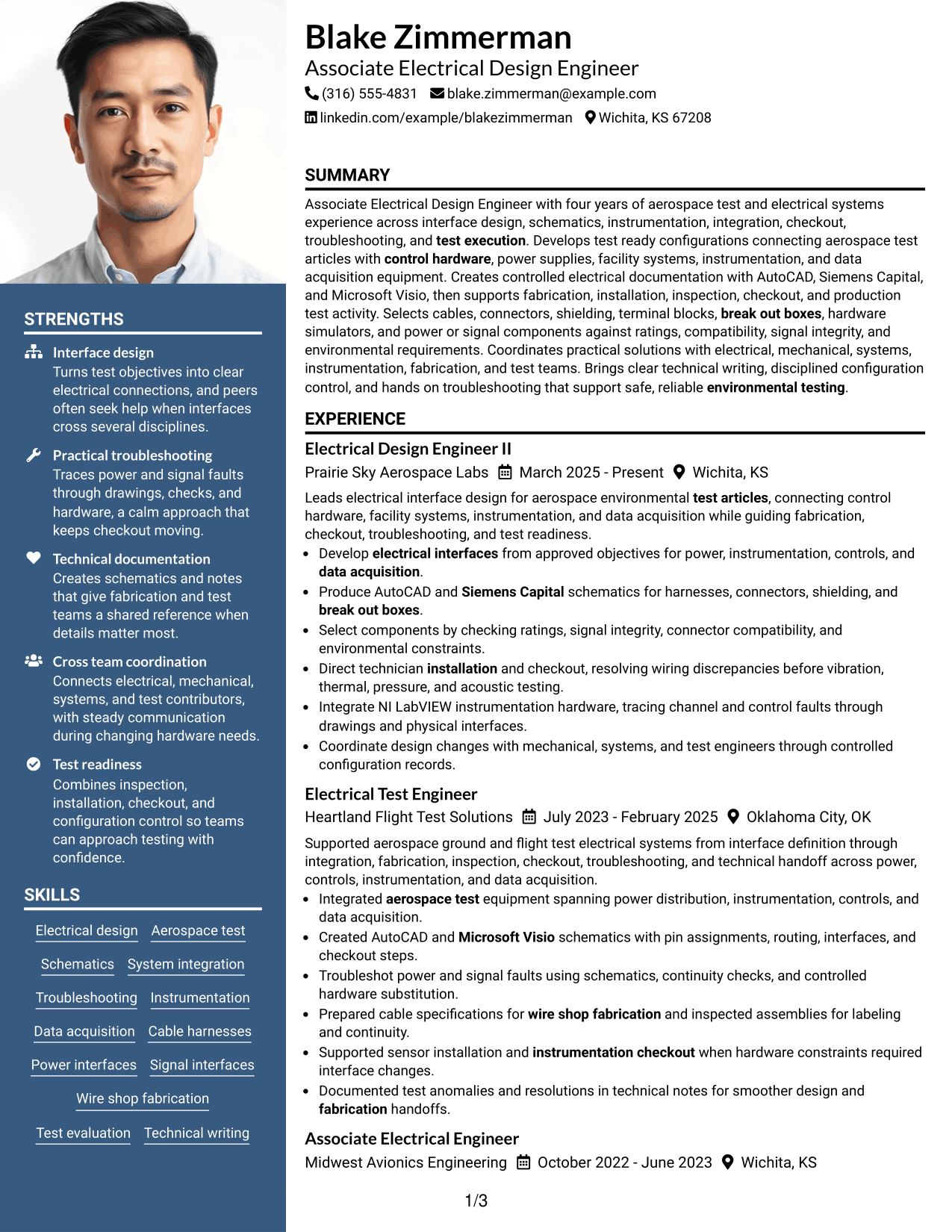
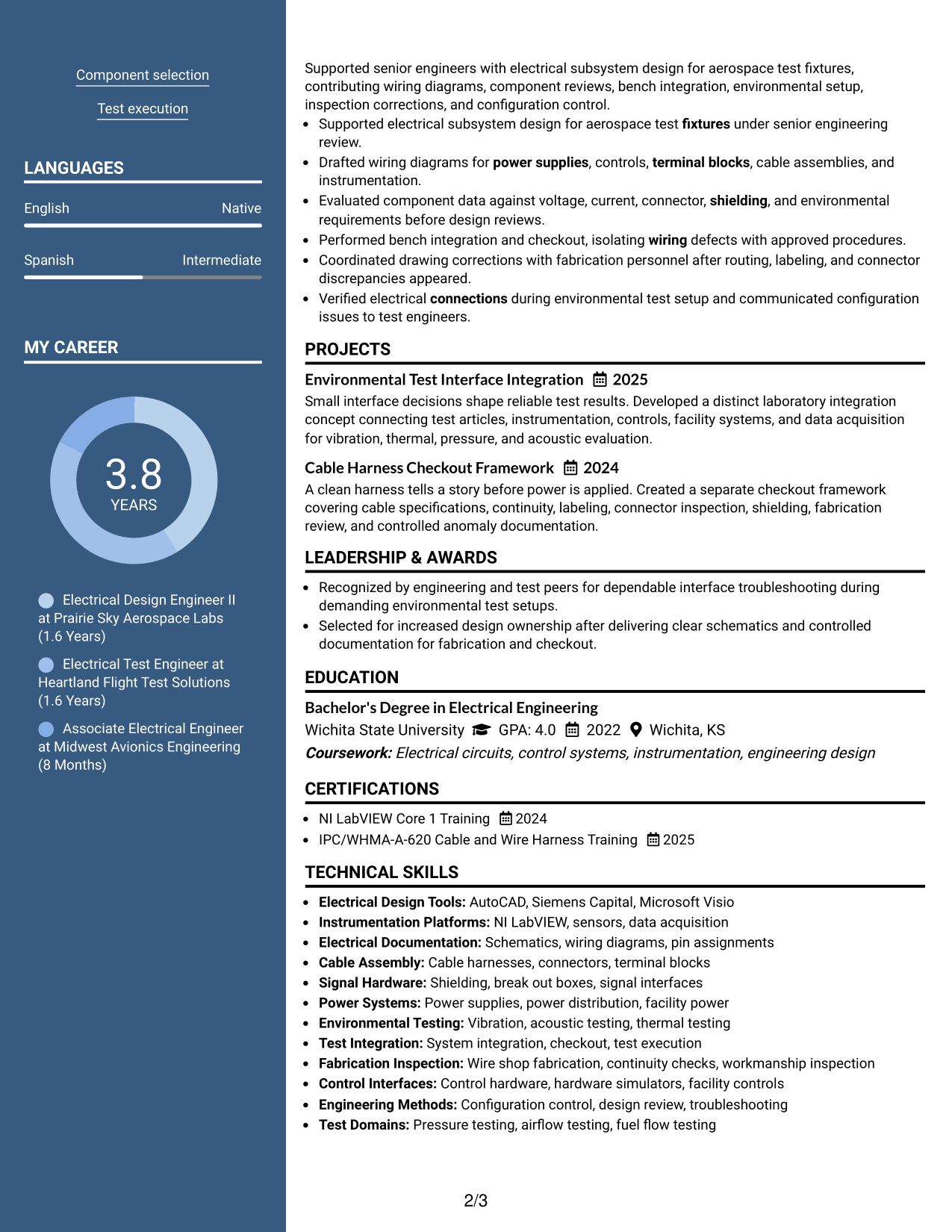
#6 Photo Header Two Column Format Resume Example
A photo header provides identification, while two body columns help recruiters scan grouped sections efficiently.
Why This Format Works
- Photo header handles identification separately from experience, skills, and education content.
- Two-column body groups career details and credentials into distinct scanning areas.
- Header separation keeps personal details above the main evidence sections.
Best For
- Photo-appropriate application markets
- Grouped supporting information
- Distinct header identification
- Resumes with several content sections
- Two-area recruiter scanning
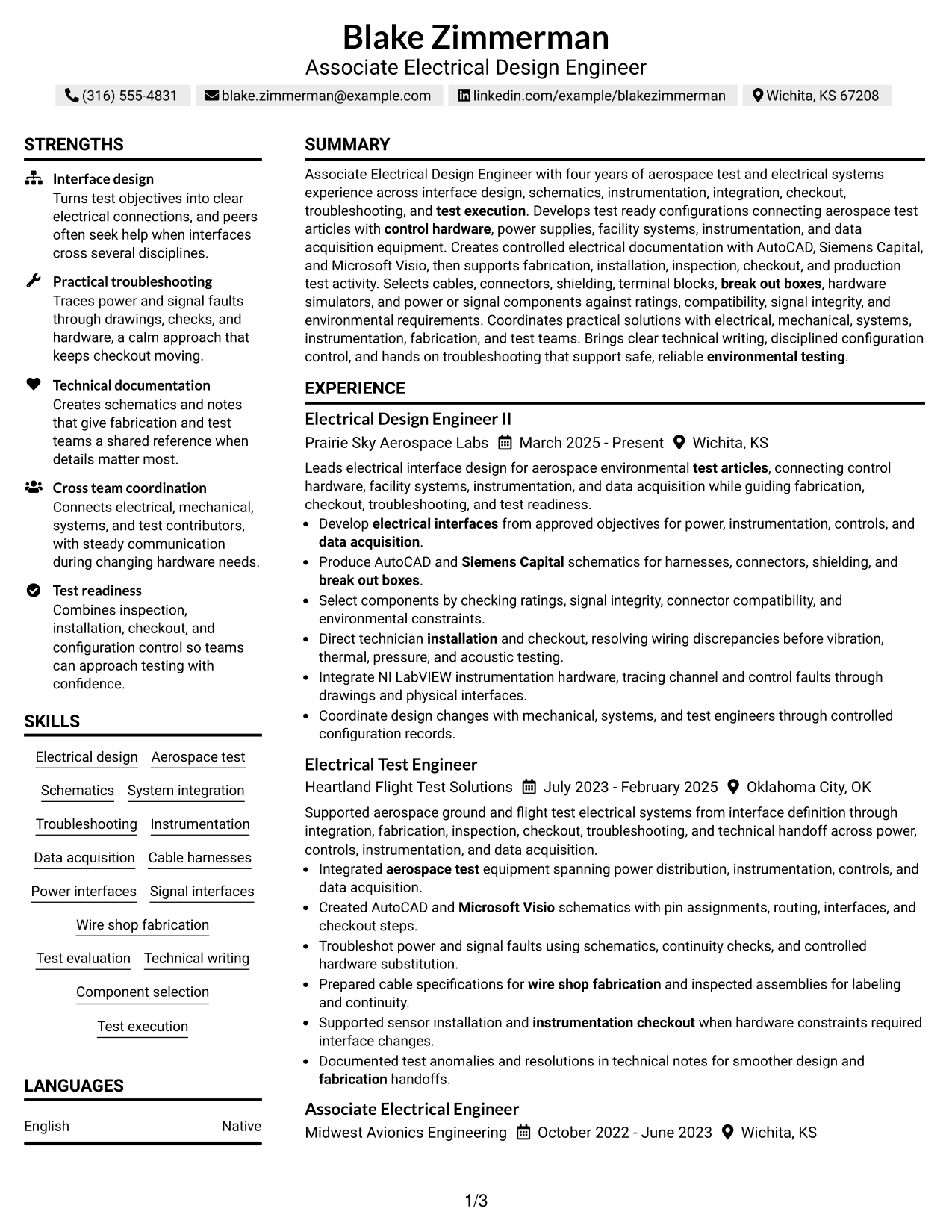
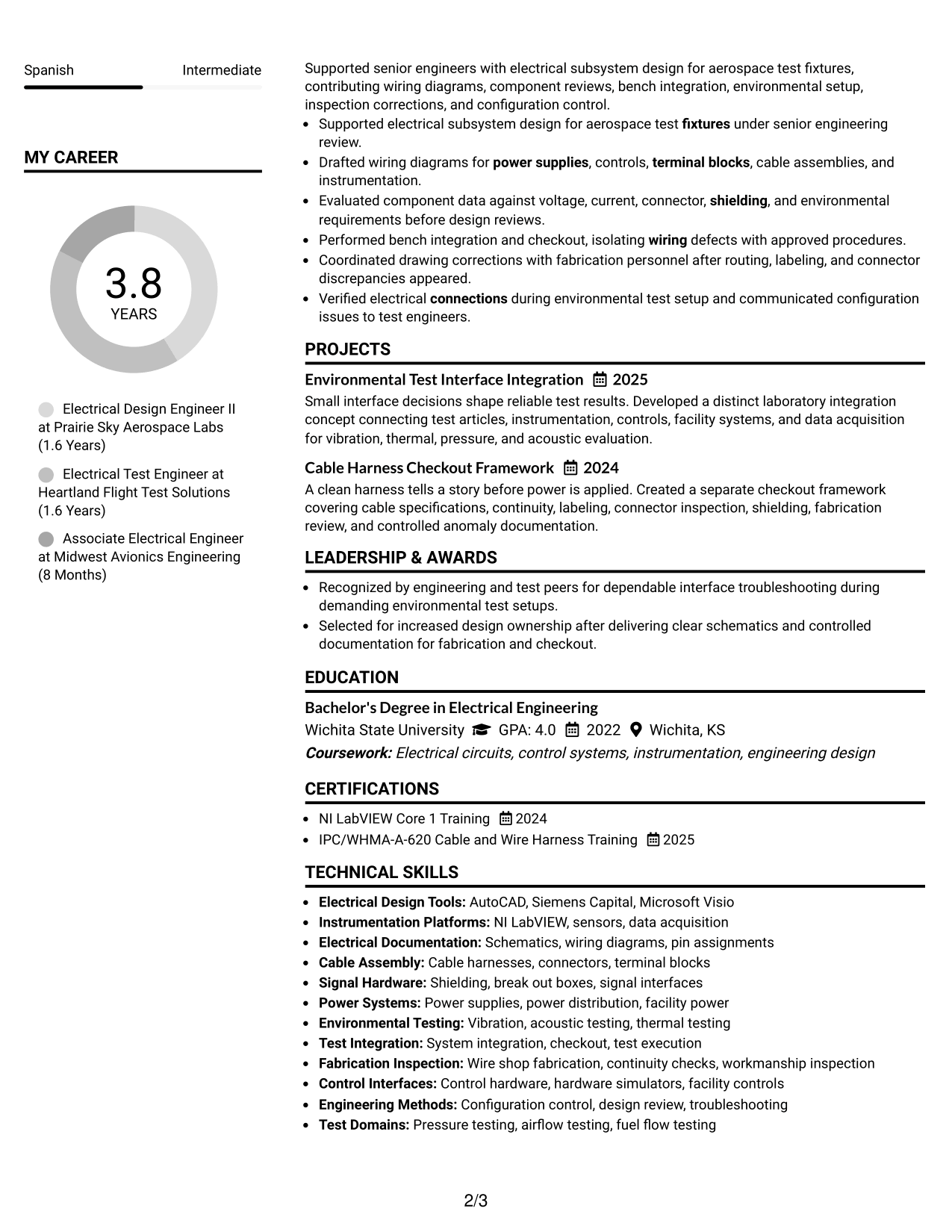
#7 Simple Two Column Format Resume Example
A simple two-column structure keeps related resume sections visible while recruiters scan across the page.
Why This Format Works
- Simple columns divide experience from supporting sections without heavy visual treatment.
- Side-by-side structure keeps skills and credentials visible during career-history review.
- Clear grouping helps recruiters locate education and other evidence with fewer shifts.
Best For
- Straightforward two-column organization
- Moderate content volume
- Visible skills and credentials
- Resume sections needing clear grouping
- Recruiters reviewing related information
See Also
- 33 Electrical Design Engineer – Control Panels Resume Templates with Example 2026 (ATS-Optimized)
- 33 Electrical Engineer - Physical Substation Design Resume Templates with Example 2026 (ATS-Optimized)
- 33 Entry Level Electrical Design Engineer Resume Templates with Example 2026 (ATS-Optimized)
- 33 Senior Electrical Design Engineer Resume Templates with Example 2026 (ATS-Optimized)
- 33 Associate Mechanical Design Engineer - Aerospace Mechanical Design Resume Templates with Example 2026 (ATS-Optimized)
- 33 Automotive PCB Design Engineer Resume Templates with Example 2026 (ATS-Optimized)
- 33 Biomedical Engineer – Ergonomics & Product Design Resume Templates with Example 2026 (ATS-Optimized)
- 7 Bridge Design Engineer (Civil Engineer) - Engineer Intern Applicant - Engineer Intern 2 Resume Templates with Example
- 30+ Electrical Design Engineer – Control Panels Cover Letter Templates with Example 2026
- 30+ Entry Level Electrical Design Engineer Cover Letter Templates with Example 2026
Frequently Asked Questions
Are these Associate Electrical Design Engineer resume templates ATS-friendly?
Yes. The layouts use clear section structure and readable headings. For stronger ATS alignment, use role terms that truthfully match your experience, such as electrical interfaces, schematics, system integration, cable harnesses, instrumentation, and troubleshooting.
Are these different resumes?
No. The guide shows one complete Associate Electrical Design Engineer resume in different visual formats, so you can compare structure without changing the candidate evidence.
What should an Associate Electrical Design Engineer resume include?
Include a focused summary, relevant engineering experience, concise achievement or responsibility bullets, education, technical skills, tools, certifications, and projects when they add useful evidence.
Which keywords are useful for this role?
Useful terms can include electrical interfaces, schematics, system integration, environmental testing, instrumentation, data acquisition, cable harnesses, power and signal interfaces, wire-shop fabrication, troubleshooting, AutoCAD, Siemens Capital, Microsoft Visio, and NI LabVIEW hardware interfaces.
How should I write experience bullets for this resume?
Start with clear actions and show what you designed, integrated, checked, troubleshot, documented, or supported. Add measurable results only when you can verify them.
Should I include certifications and technical training?
Yes, when they support the work. Relevant training in instrumentation platforms, cable and wire harness practices, or other job-related methods can strengthen the credentials section.
Should I include a photo on a U.S. resume?
For most U.S. applications, a no-photo resume is the safer choice. Use a photo only when it is appropriate for the country, region, or application context.
Can I customize these resume templates?
Yes. Keep the section structure clear, then adjust wording, keywords, tools, and evidence to match your actual background and the Associate Electrical Design Engineer role.