7 Case Manager 2 - Behavioral Health Resume Templates with Example
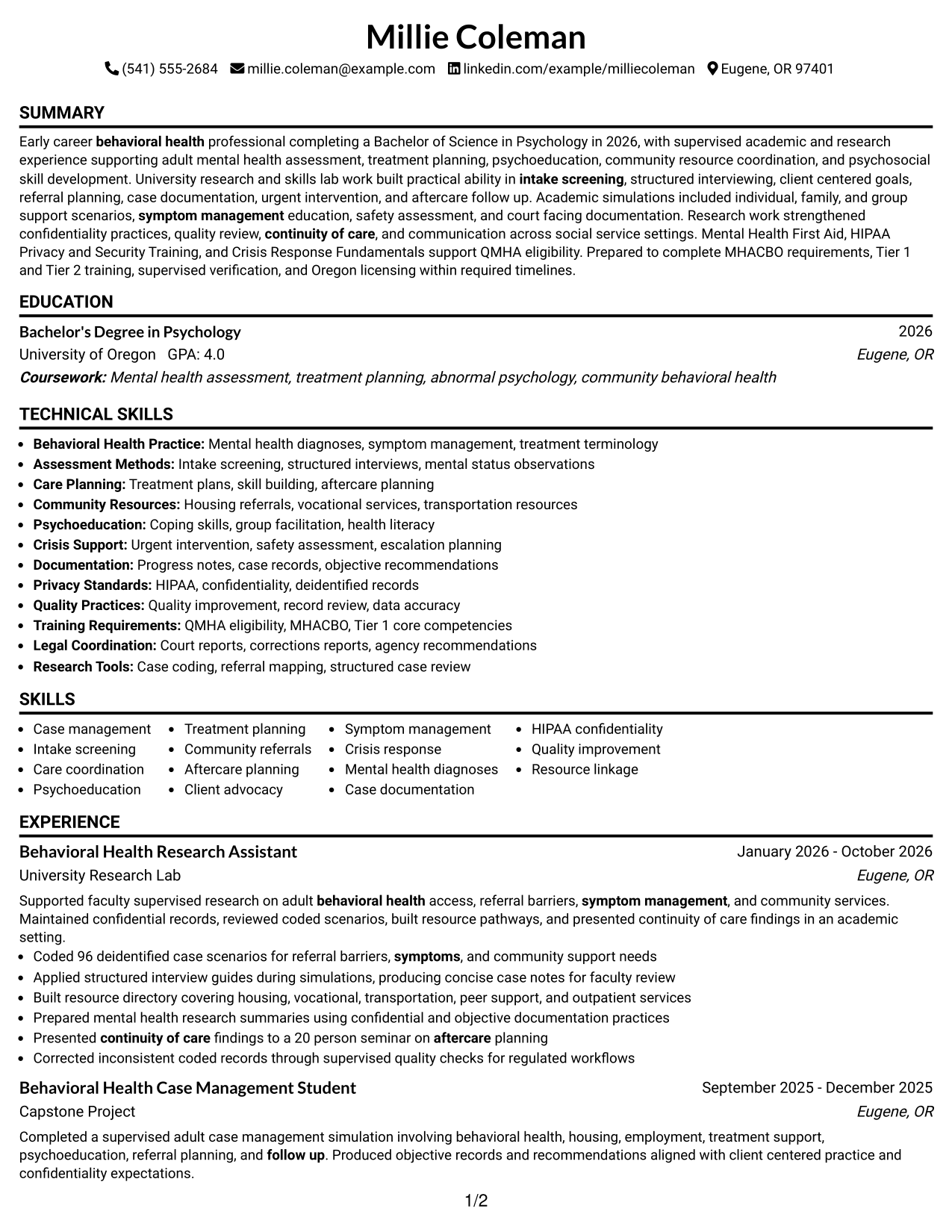
This practical guide shows you how to build a Case Manager 2 - Behavioral Health resume that is clear, focused, and easy to scan. You will learn how to organize relevant evidence and compare professional resume formats.
Strong content for this role can include case management, intake screening, treatment planning support, psychoeducation, community referrals, aftercare planning, crisis response, HIPAA confidentiality, and clear case documentation. Match these terms to evidence from your own education, supervised training, projects, and experience.
The same complete resume is shown in 7 ATS-friendly resume layouts so you can compare reading order, section structure, and visual presentation before choosing a format.
What Makes a Great Case Manager 2 - Behavioral Health Resume in 2026
A strong resume is clear, evidence-based, and easy to scan. It gives priority to relevant behavioral health training, practical case-management work, education, and credentials.
Use accurate keywords such as case management, care coordination, intake screening, psychoeducation, treatment planning, community referrals, crisis response, HIPAA, QMHA, and MHACBO only when your background supports them.
The examples shown below are intentionally detailed to demonstrate a range of experiences, skills, accomplishments and relevant keywords. We prefer detailed resumes as they provide more context to the hiring managers and also help the ATS systems identify relevant qualifications and score your resume better for a match. But the length of a resume is an individual choice. If you want a one page resume, just keep the most relevant experience and information for the job. Note: Resume examples are for educational purposes only. Use only information that accurately reflects your experience and qualifications. References to real organizations do not imply affiliation or endorsement.
#1 Simple One Column Format Resume Example
A single-column reading path helps recruiters scan experience, education, skills, and credentials in a steady order.
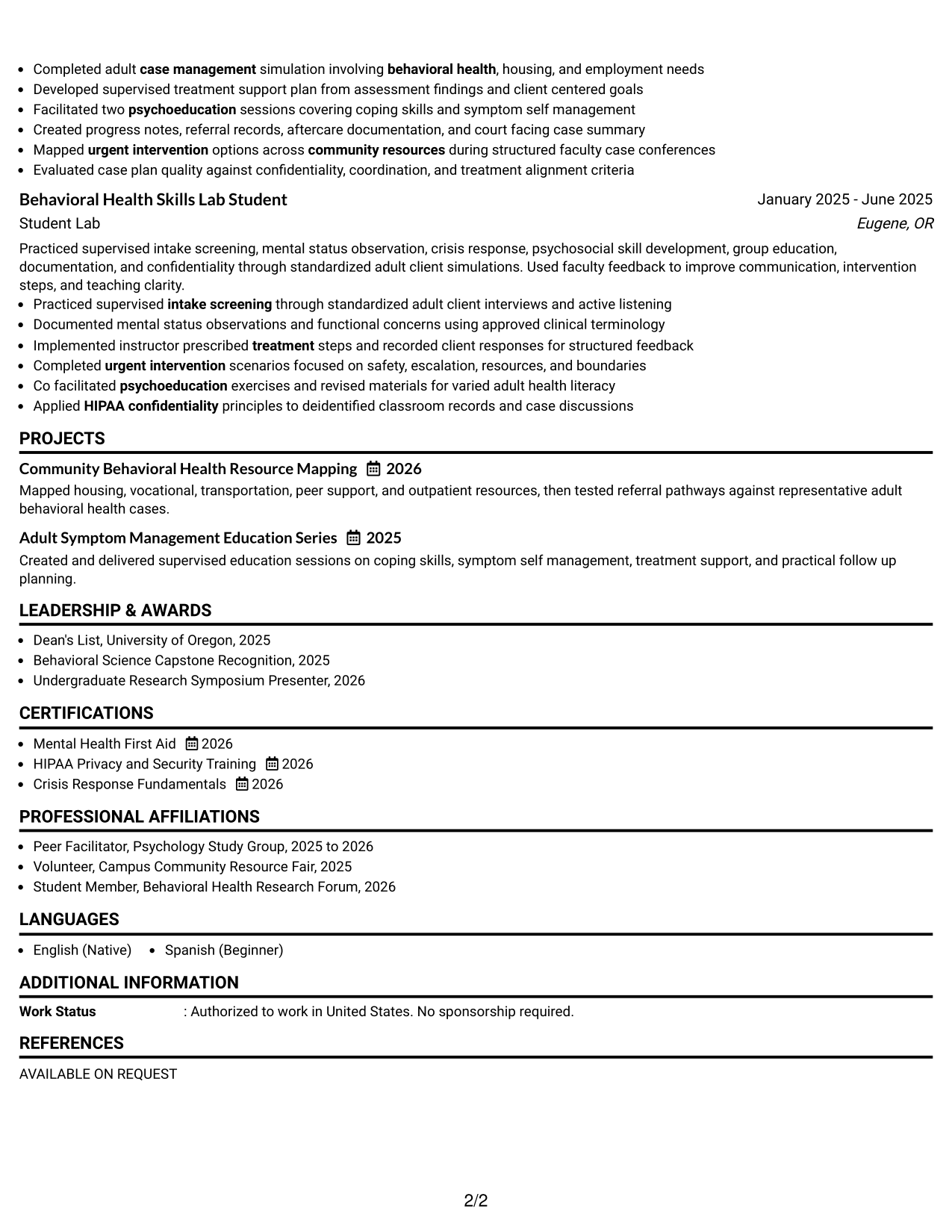
Why This Format Works
- Linear section flow keeps experience and education easy to follow.
- Full-width space gives achievement bullets room to stay readable.
- Simple ordering keeps skills and credentials visible without side content.
Best For
- Straightforward recruiter scanning
- Detailed experience bullets
- Clear education and credential sections
- ATS-conscious applications
- Readers who prefer linear structure
Resume Keywords
- case management
- care coordination
- intake screening
- psychoeducation
- treatment planning
- community referrals
- aftercare planning
- crisis response
- HIPAA confidentiality
- QMHA
- MHACBO
#2 Plain One Column with Shaded Labels Resume Example
Shaded section labels help recruiters separate major resume sections while following one clear top-to-bottom path.
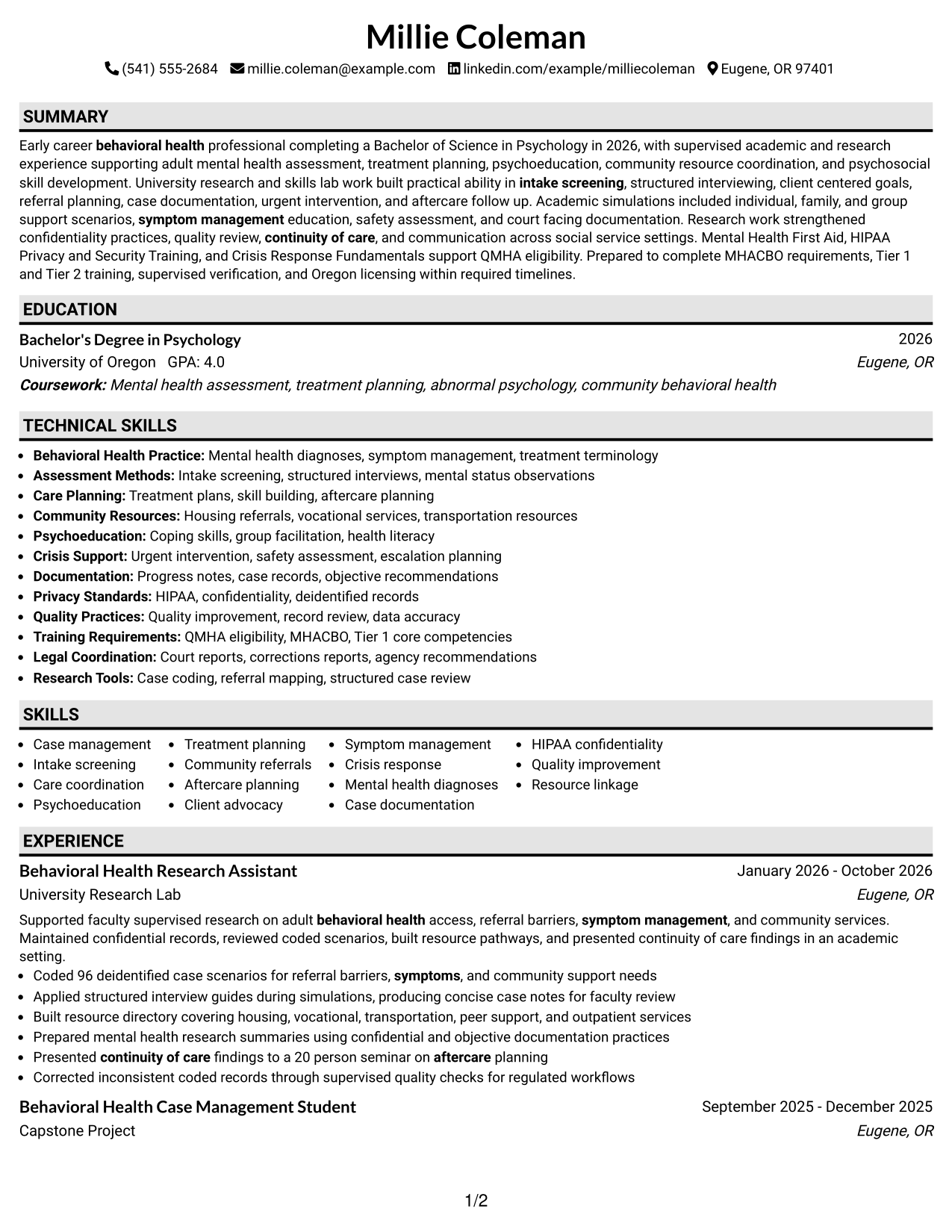
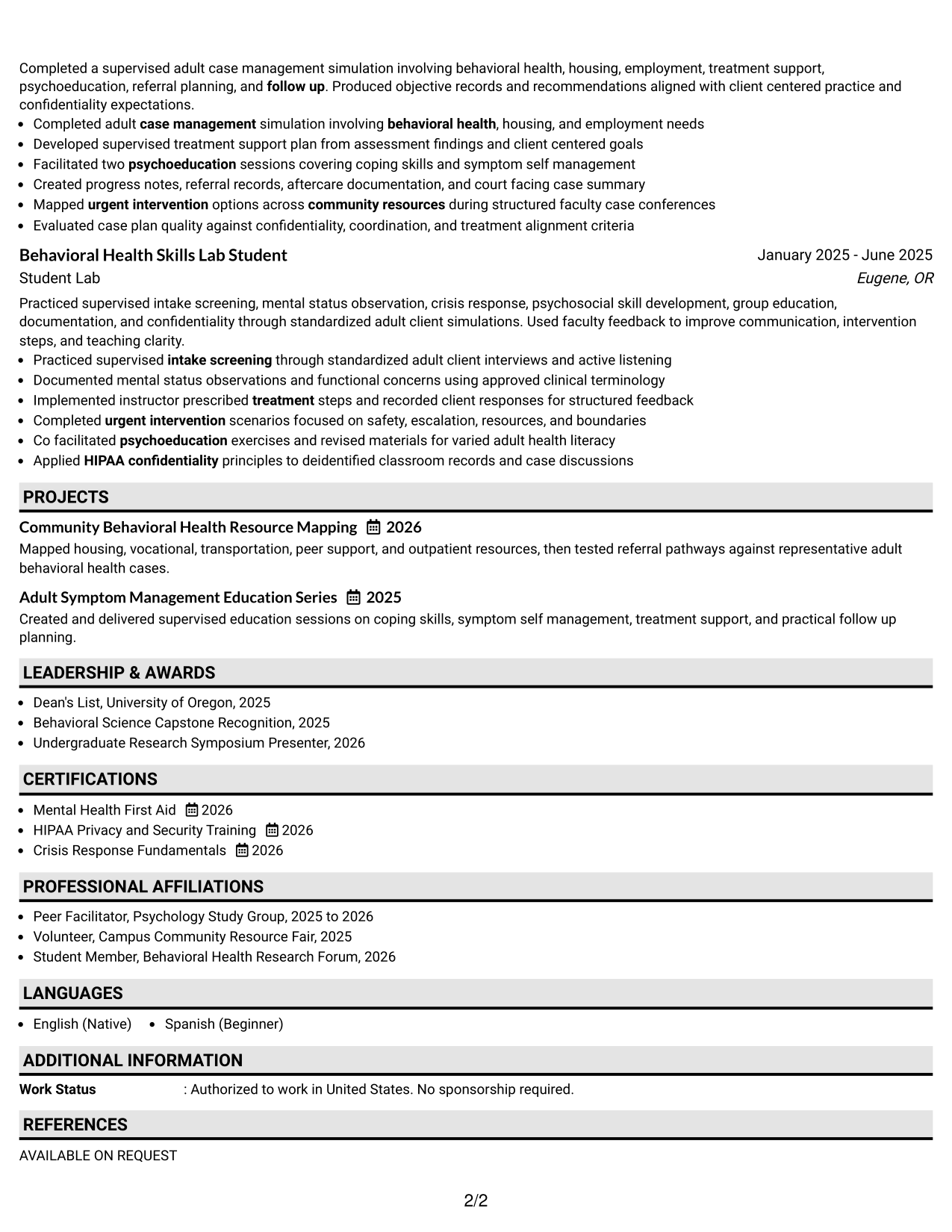
Why This Format Works
- Shaded labels create clear stops between experience, skills, and education.
- One-column reading order keeps career evidence easy to trace.
- Distinct section markers help credentials stand apart from longer experience content.
Best For
- Fast section recognition
- Longer experience descriptions
- Readers who value strong labels
- Mixed education and project content
- Applications needing simple visual separation
#3 One Column Format with Photo Right Resume Example
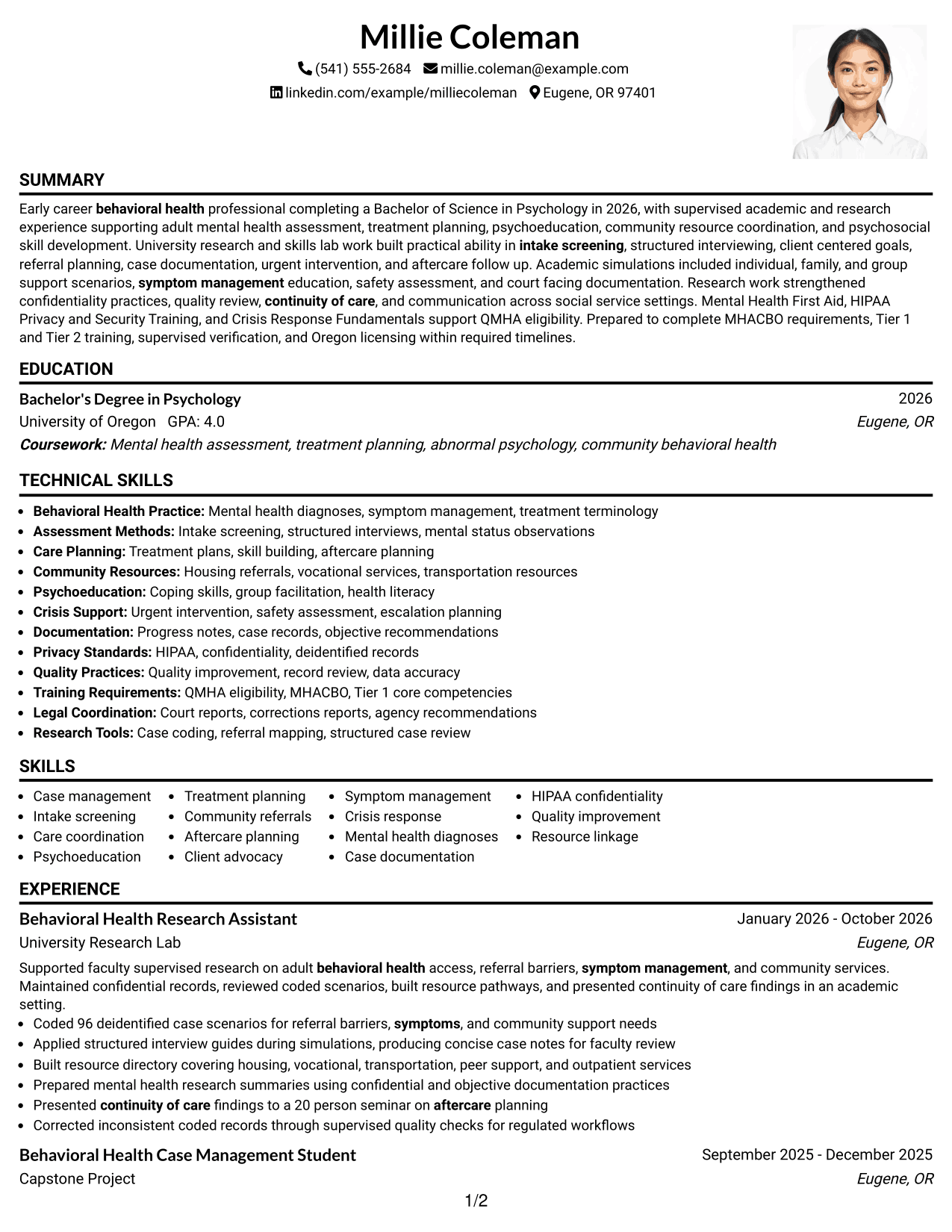
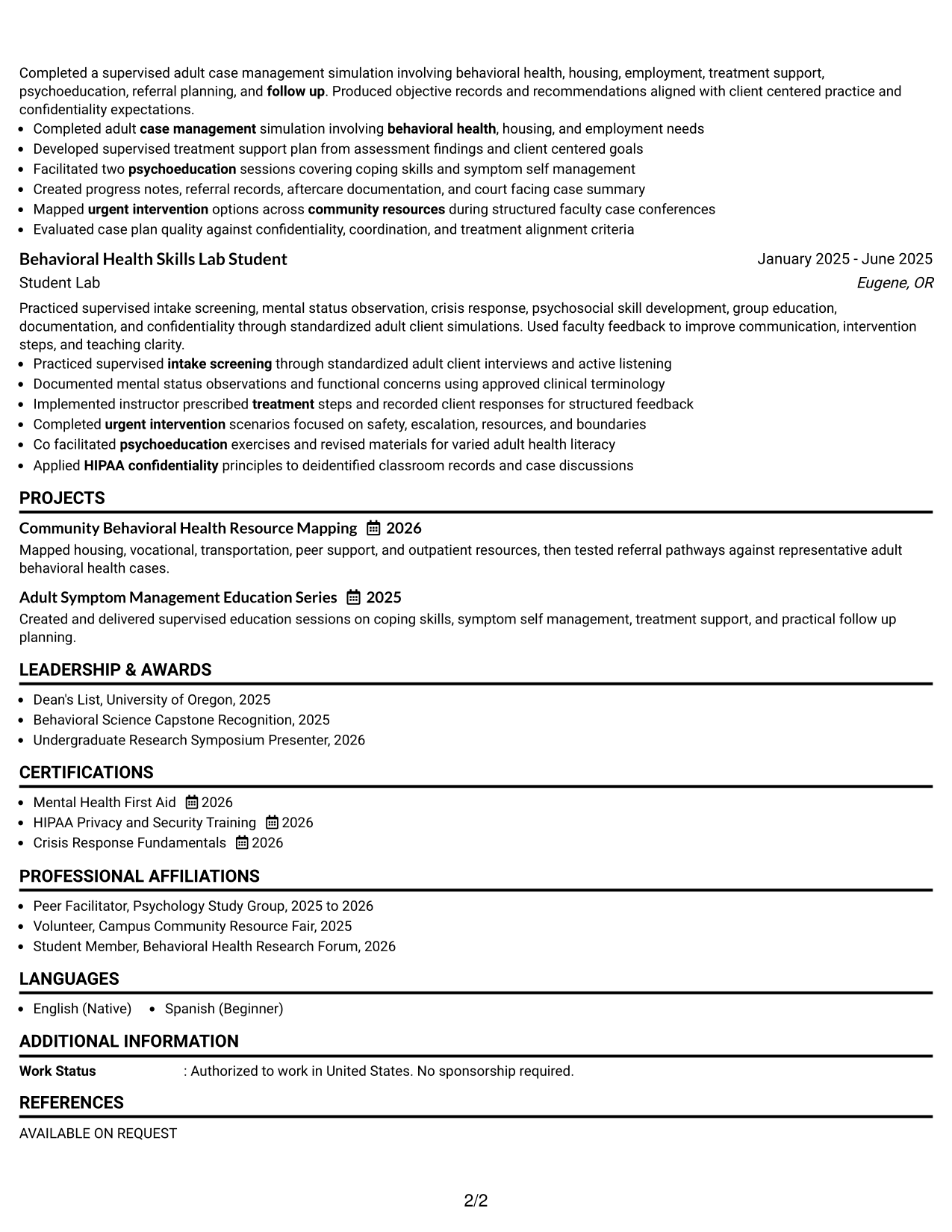
A one-column body keeps resume content easy to scan while the right-side photo stays in the header area.
Why This Format Works
- Single body flow keeps experience and achievements in sequence.
- Header photo adds identity without splitting the main resume content.
- Full-width sections leave space for education, skills, and credentials.
Best For
- Markets where resume photos are expected
- Sequential career evidence
- Content needing full-width sections
- Readers who prefer one main column
- International applications with photo norms
#4 Clean Two Column Sidebar Format Resume Example
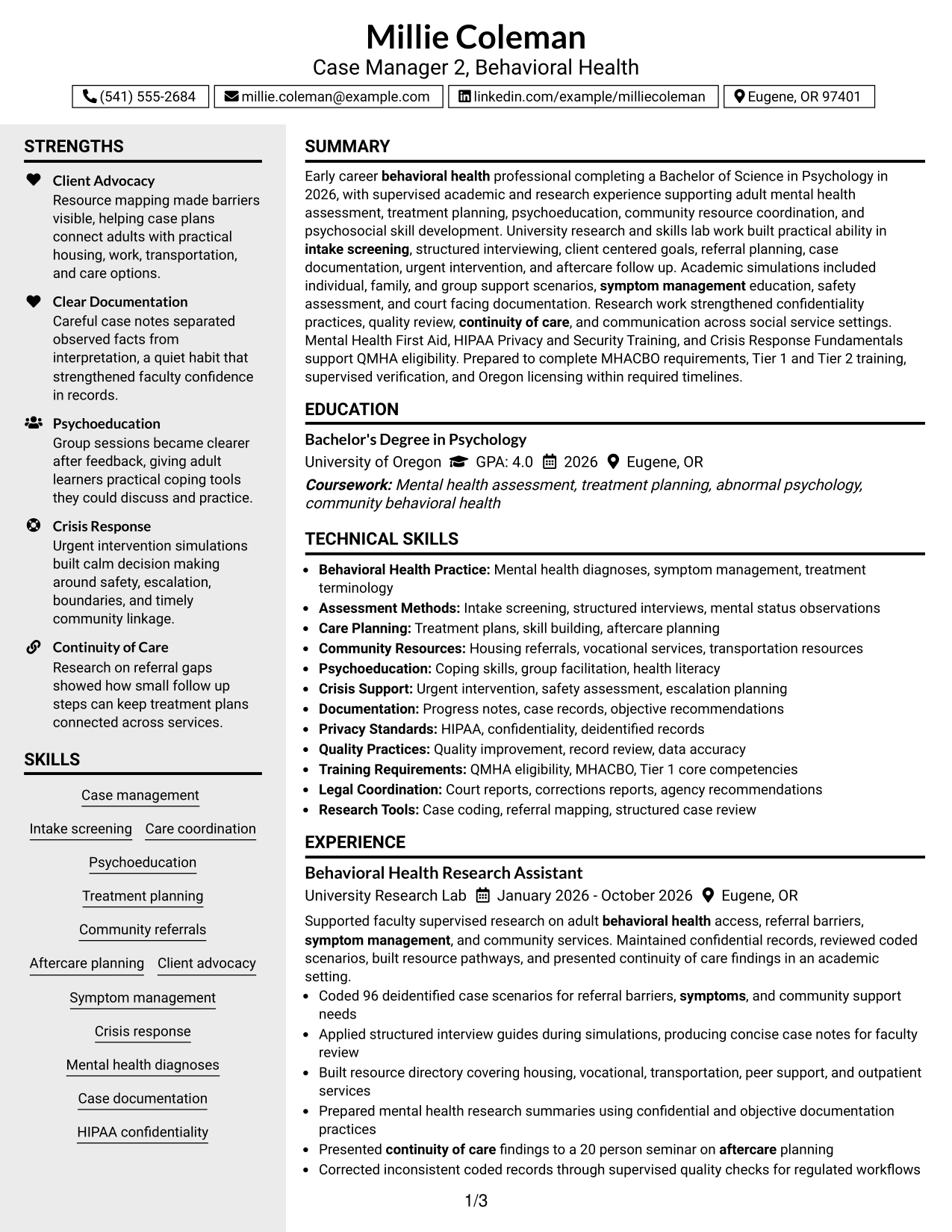
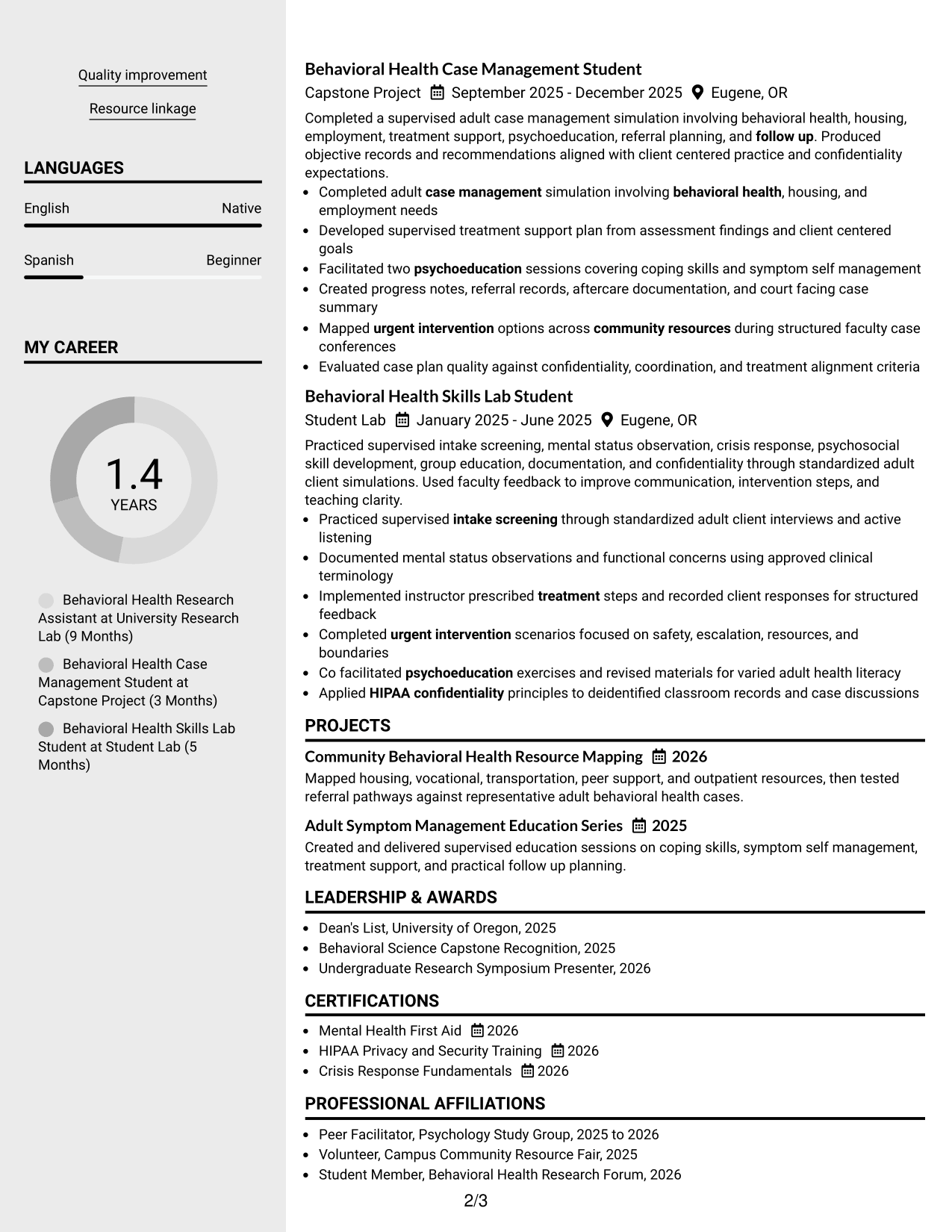
A two-column body lets recruiters scan core experience beside compact supporting sections without losing clear section boundaries.
Why This Format Works
- Two columns separate detailed experience from shorter supporting information.
- Sidebar structure gives skills and credentials a compact reference area.
- Main content space keeps career evidence readable beside concise secondary sections.
Best For
- Compact skills and credential lists
- Experience-heavy resumes
- Readers comparing core and supporting details
- Balanced section density
- Applications with several short supporting sections
#5 Two Column Format Resume Example
Two balanced columns help recruiters compare experience with supporting qualifications through a compact, organized reading pattern.
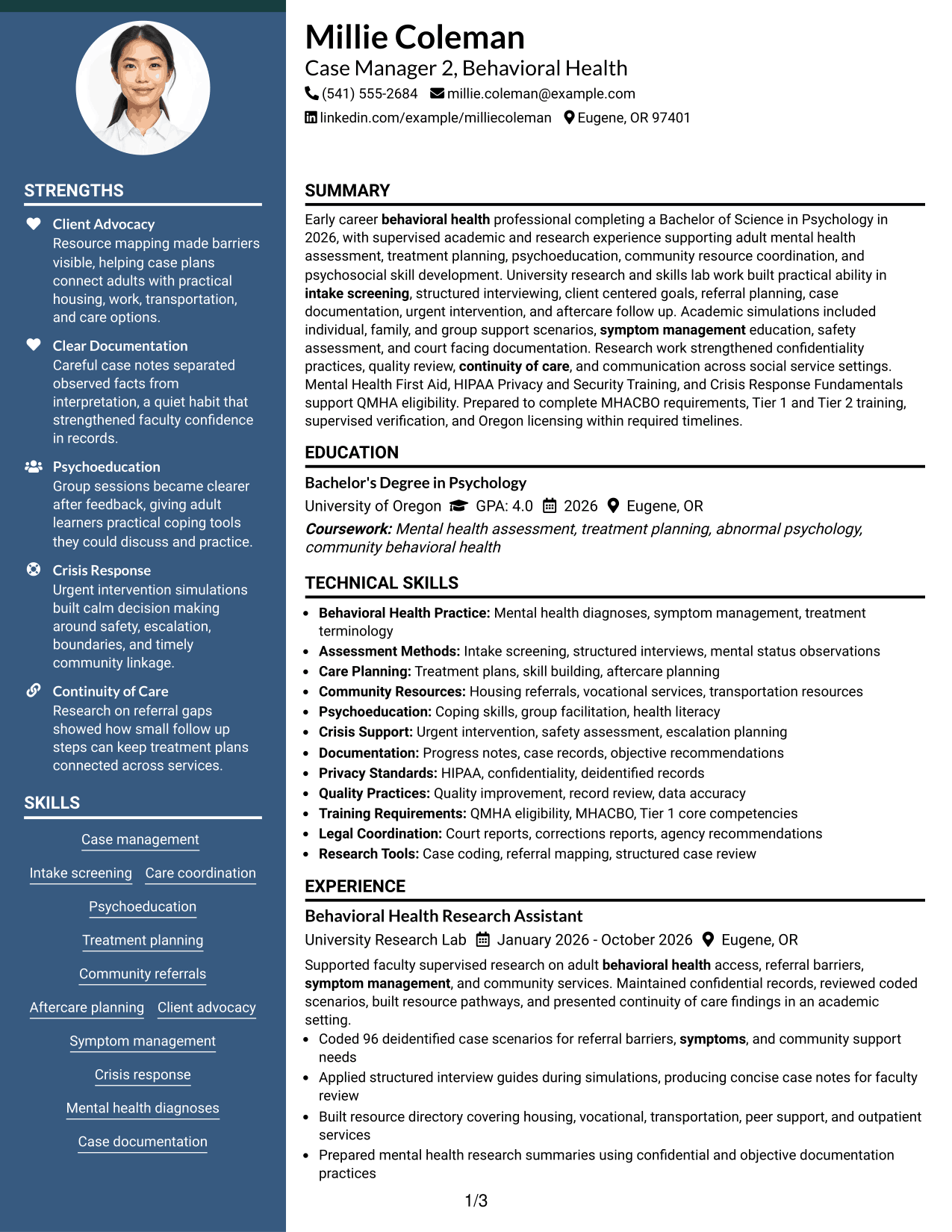
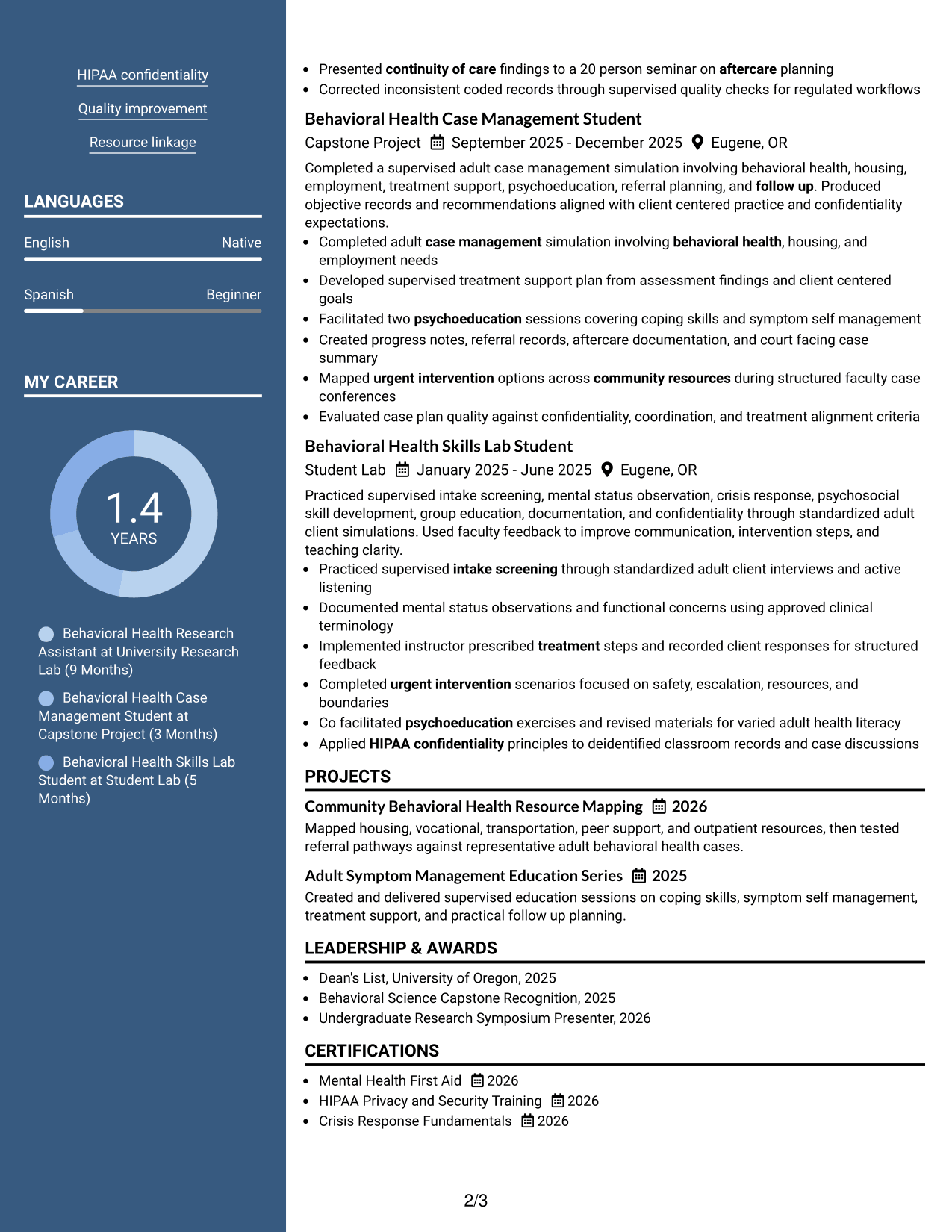
Why This Format Works
- Parallel columns reduce scrolling between experience and supporting qualifications.
- Section grouping helps education and skills remain easy to locate.
- Balanced space supports both achievement detail and concise credential information.
Best For
- Information-dense resumes
- Side-by-side qualification review
- Several concise supporting sections
- Balanced experience and skills content
- Readers comfortable with parallel sections
#6 Photo Header Two Column Format Resume Example
A photo header sits above a two-column body that helps recruiters separate detailed experience from shorter supporting sections.
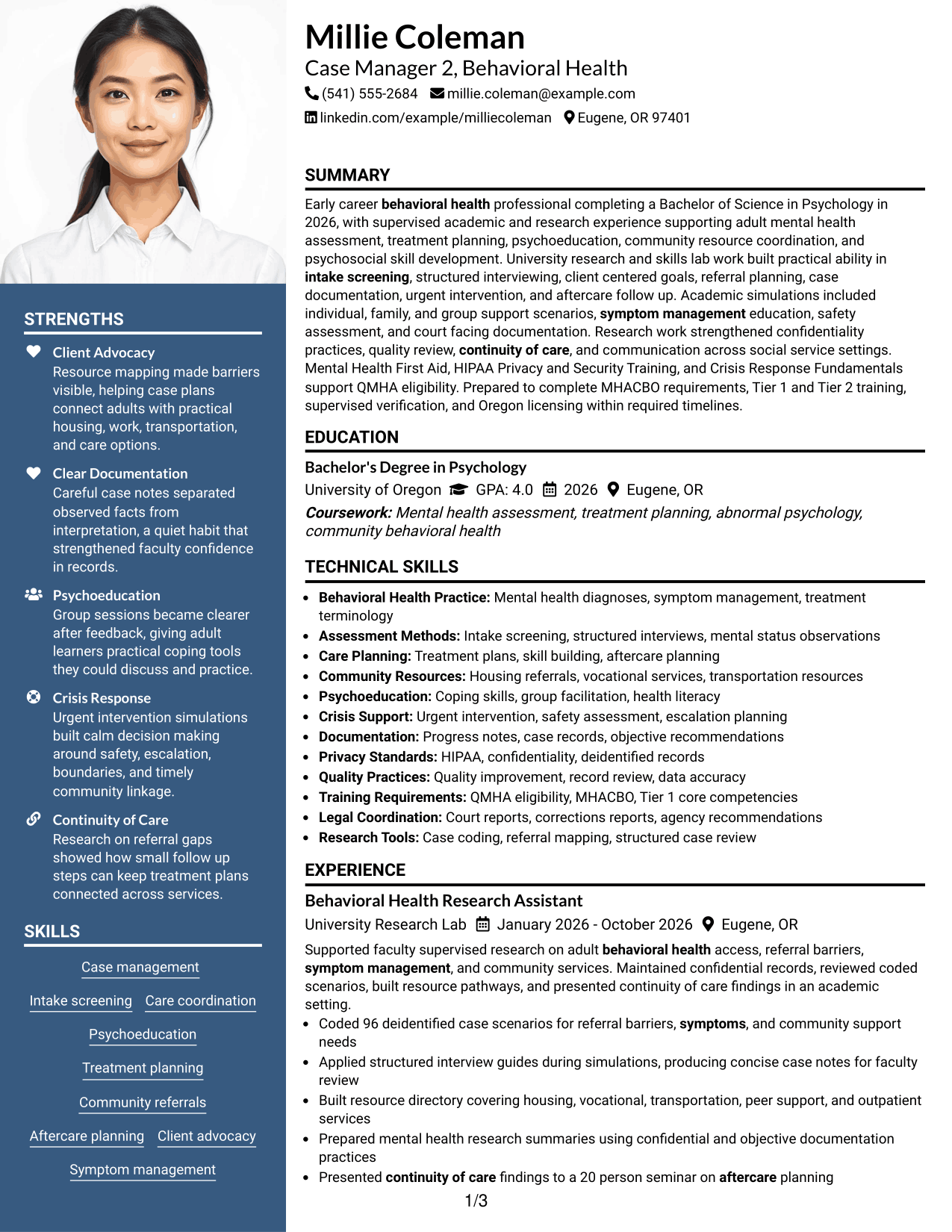
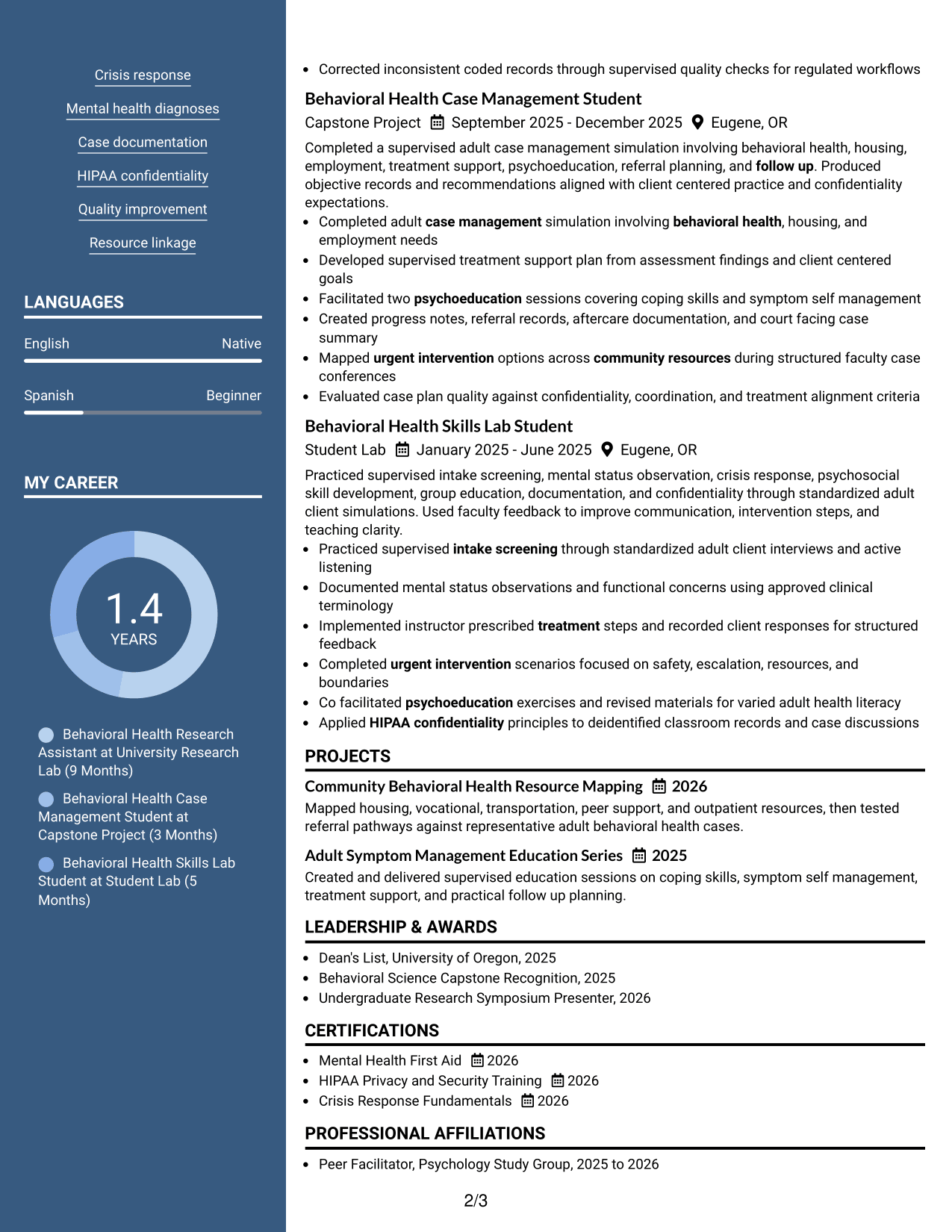
Why This Format Works
- Header photo stays separate from the two-column body content.
- Column division keeps experience apart from compact skills and credentials.
- Section separation helps reviewers move between achievements and education quickly.
Best For
- Regions where professional photos are standard
- Resumes with many short support sections
- Clear division of primary and secondary content
- Readers comparing achievements with credentials
- International applications using photo headers
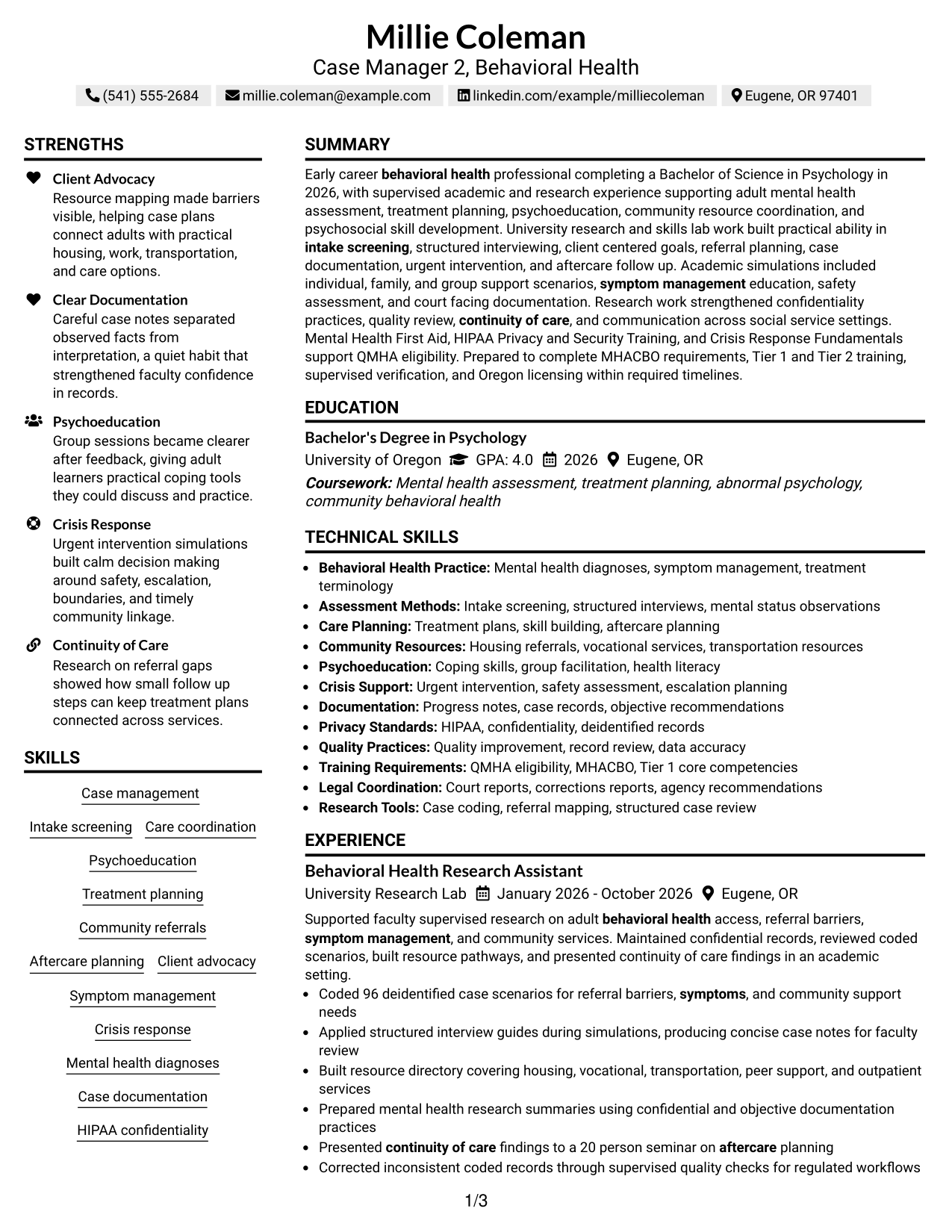
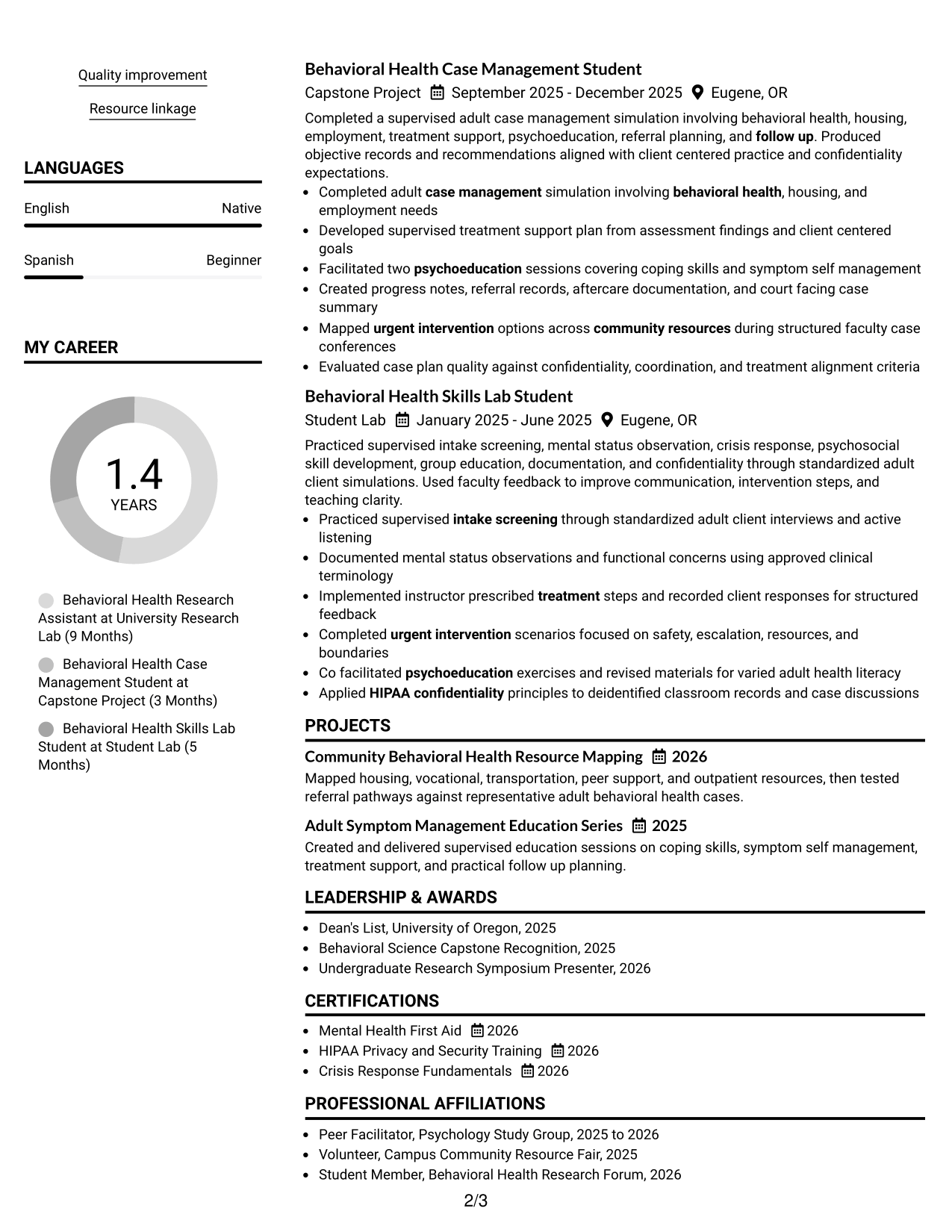
#7 Simple Two Column Format Resume Example
A simple two-column structure gives recruiters a compact view of experience, skills, education, and credentials with clear separation.
Why This Format Works
- Clean column separation keeps major content groups easy to distinguish.
- Compact structure brings skills closer to broader experience evidence.
- Consistent section blocks help education and credentials remain easy to scan.
Best For
- Concise professional summaries
- Moderate content volume
- Quick comparison of major sections
- Simple two-column organization
- Applications needing compact visual structure
See Also
- 7 Case Management Specialist - Maternal and Family Health Resume Templates with Example
- 7 Registered Nurse - Home Health Case Management Resume Templates with Example
- 7 Case Analyst Resume Templates with Example
- 7 Case Manager RN, Case Management Resume Templates with Example
- 7 Civil Rights - Case Investigator Resume Templates with Example
- 7 Coordinator, Community Standards and Case Management Resume Templates with Example
- 7 Nurse Case Manager I Resume Templates with Example
- 7 Outpatient Case Manager - Outpatient Case Management Resume Templates with Example
- 30+ Registered Nurse - Case Management Cover Letter Templates with Example 2026
- 30+ Registered Nurse Case Manager, Inpatient Cover Letter Templates with Example 2026
Frequently Asked Questions
Are these Case Manager 2 - Behavioral Health resume templates ATS-friendly?
They use clear headings and standard resume sections that are easier for applicant tracking systems to read. Your own keyword choices should still match the job posting and your real qualifications.
Are these seven different resumes?
No. The guide shows the same Case Manager 2 - Behavioral Health resume in different visual formats so you can compare structure and readability.
What should a Case Manager 2 - Behavioral Health resume include?
Include a focused summary, relevant experience, education, behavioral health skills, certifications, projects, and measurable results when available. Show evidence of case documentation, care coordination, psychoeducation, referrals, and crisis-response training when these apply to you.
Should I include QMHA and MHACBO information?
Include QMHA or MHACBO information only when it accurately describes your current status, eligibility, or planned requirements. Do not present a pending certification as completed.
How can an early-career candidate show relevant behavioral health experience?
Use supervised research, academic simulations, skills labs, projects, volunteer work, and training when they show relevant duties. Describe what you did, the setting, and any measurable scope without overstating responsibility.
Should I include behavioral health keywords in every section?
No. Place keywords where they fit naturally and where your evidence supports them. Repeating the same terms too often can make the resume harder to read.
Should I include a photo on a U.S. behavioral health resume?
For most U.S. applications, a no-photo resume is the safer choice. If you apply in another country, follow local resume customs.
Can I customize these resume templates?
Yes. You can adjust the text, section order, visual style, and PDF output while keeping the content accurate for your Case Manager 2 - Behavioral Health application.