7 Entry-Level Environmental Engineer, Scientist, or Geologist - Site Investigation and Remediation Cover Letter Templates with Example
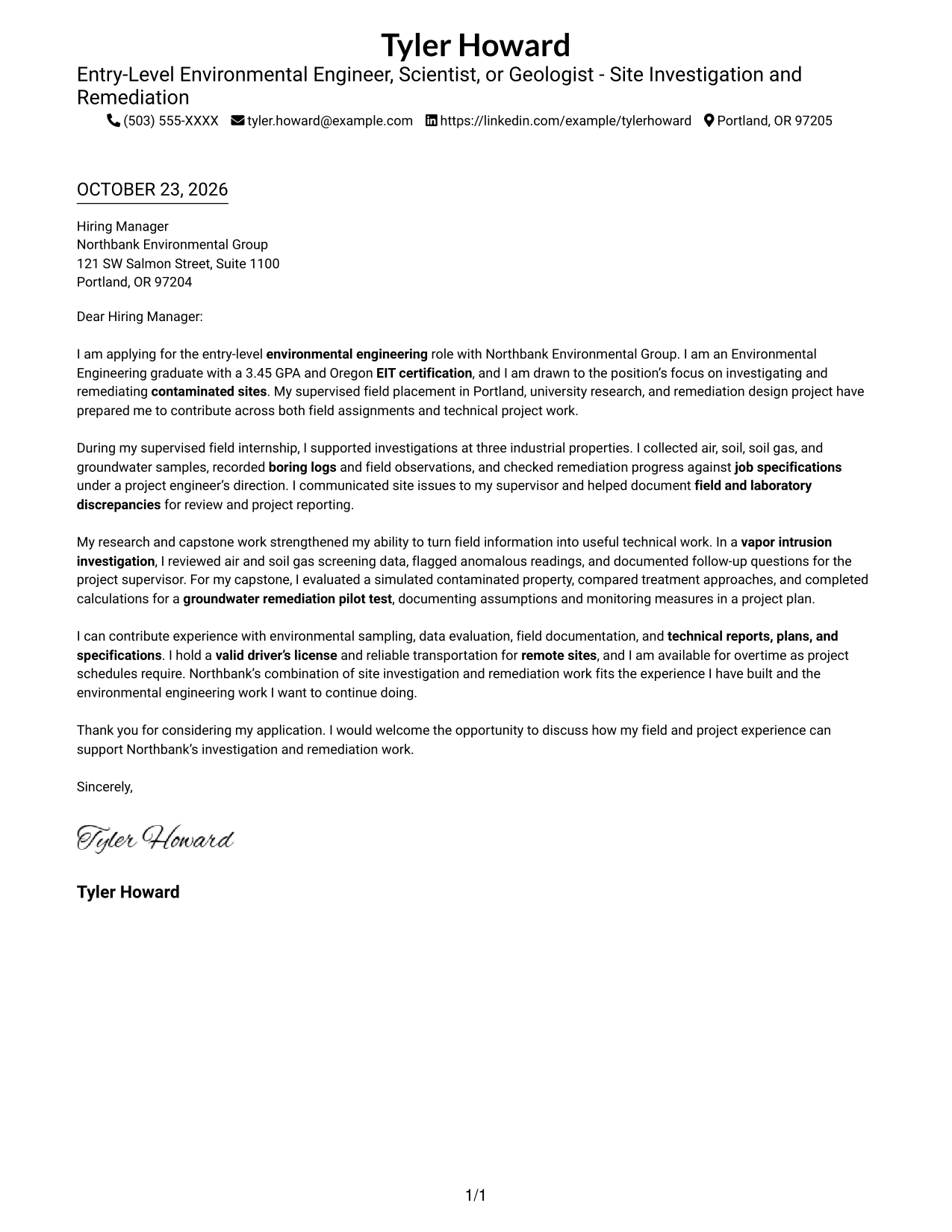
This practical guide to an Entry-Level Environmental Engineer, Scientist, or Geologist - Site Investigation and Remediation cover letter shows you how to present your role fit across seven layouts.
What Makes a Great Entry-Level Environmental Engineer, Scientist, or Geologist - Site Investigation and Remediation Cover Letter in 2026
A strong letter connects your interest in site investigation and remediation to clear examples of field and technical work. Its opening, body, and closing should help the employer understand why this work matters to you and how you can contribute.
Use relevant evidence, such as environmental sampling, boring logs, data review, or remediation planning, when it reflects your experience. Link that evidence to the employer’s project work, and show that you value careful documentation, clear communication, and teamwork.
The featured example moves from interest in contaminated-site work to field evidence, technical project experience, and a direct closing. Adapt this focused progression, choosing a presentation that suits the employer and the communication context.
#1 Simple One Column Format Cover Letter Example
The Simple One Column Format leaves the page without a portrait, a practical choice when the written message should stand on its own.
Why This Format Works
- Sender details stay in the header, apart from the main message.
- Unheaded paragraphs let motivation, evidence, and closing read as a natural letter.
- One reading column keeps the argument's sequence easy to follow.
Best For
- Single-column letter preference
- Header-based contact details
- No-portrait applications
- Unheaded paragraph letters
- Direct reading order
#2 Two Column Format Cover Letter Example
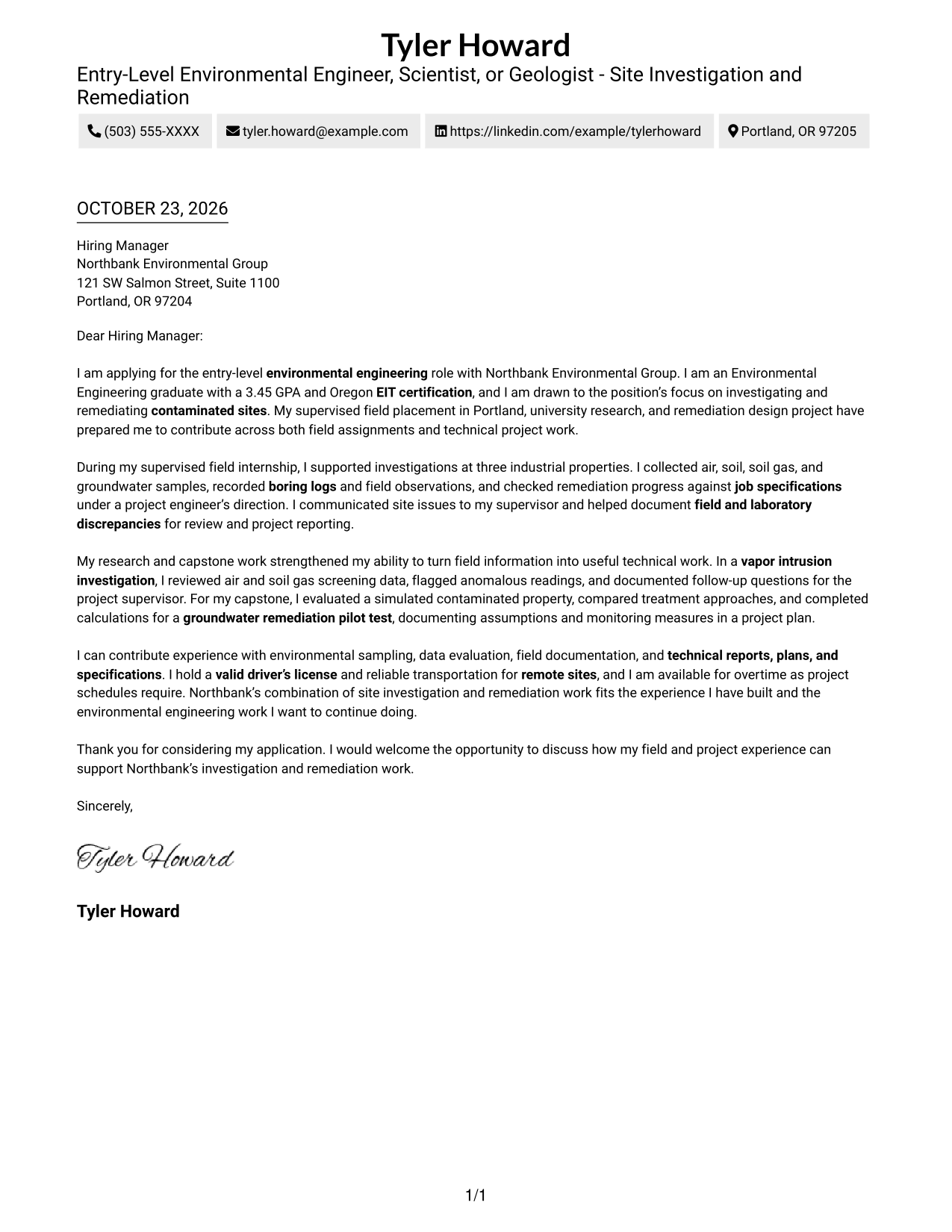
The Two Column Format places a contact sidebar beside one continuous letter body, a useful arrangement when readers want sender details close at hand.
Why This Format Works
- A separate contact area lets readers find sender details without interrupting the letter.
- One continuous body carries the opening, supporting points, and closing in order.
- Without argument headings, the letter keeps a direct, conversational form.
Best For
- Contact sidebar preference
- Side-by-side page layout
- Multi-paragraph letter bodies
- Quick contact-detail lookup
- No-photo letter presentation
#3 Photo Header Two Column Format Cover Letter Example
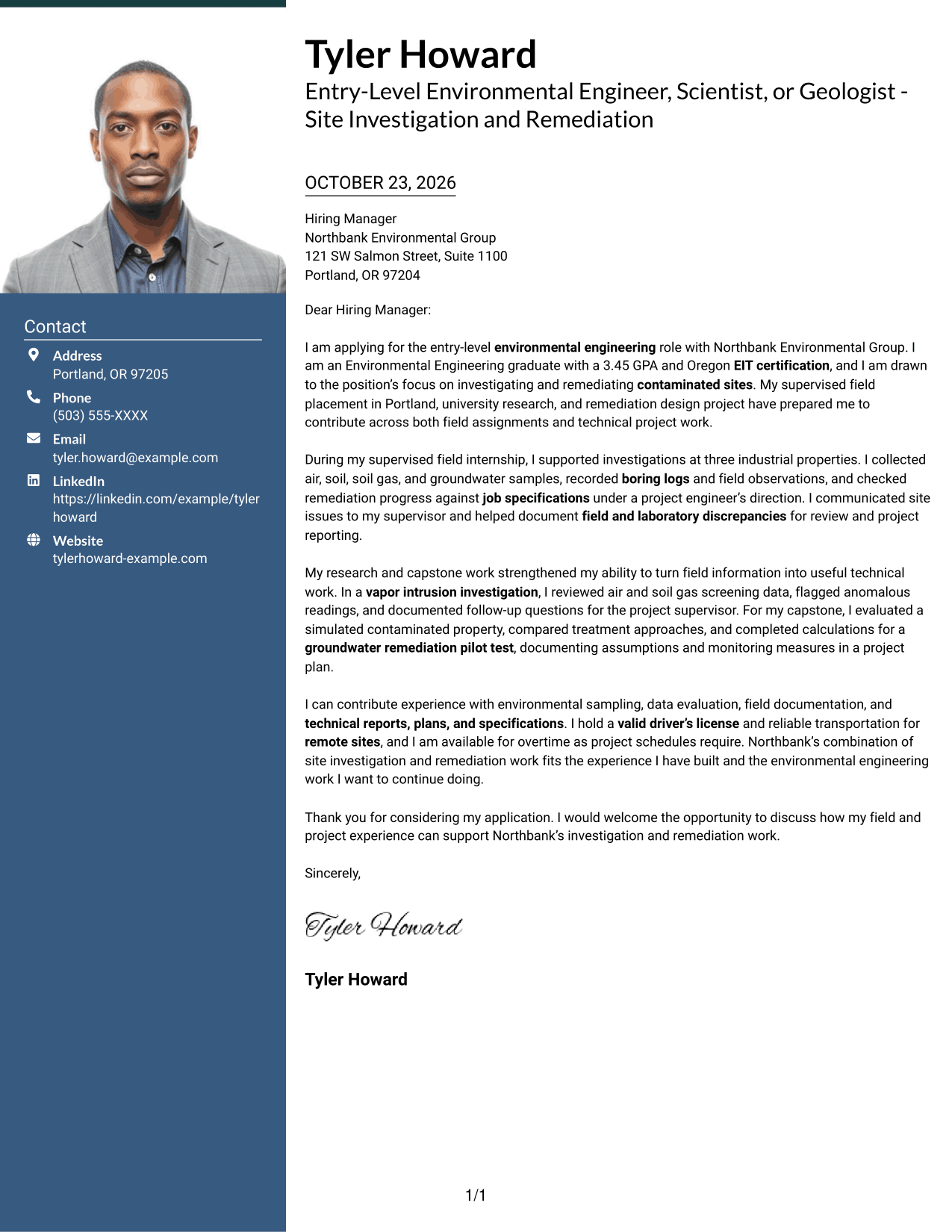
The Photo Header Two Column Format pairs a portrait with a contact sidebar, a fitting choice when a letter should include a photo while keeping its body intact.
Why This Format Works
- Portrait presentation adds a visible personal element while contact details remain separate.
- One uninterrupted body keeps the opening, evidence, and closing together.
- Sidebar placement gives sender details a distinct location from the message.
Best For
- Photo-inclusive letter layouts
- Contact details beside the message
- Continuous body paragraphs
- Unheaded letter arguments
- Portrait and sidebar presentation
#4 One Column Format with Photo Cover Letter Example
The One Column Format with Photo keeps the letter in one body column and includes a portrait, a useful choice for readers who prefer both features together.
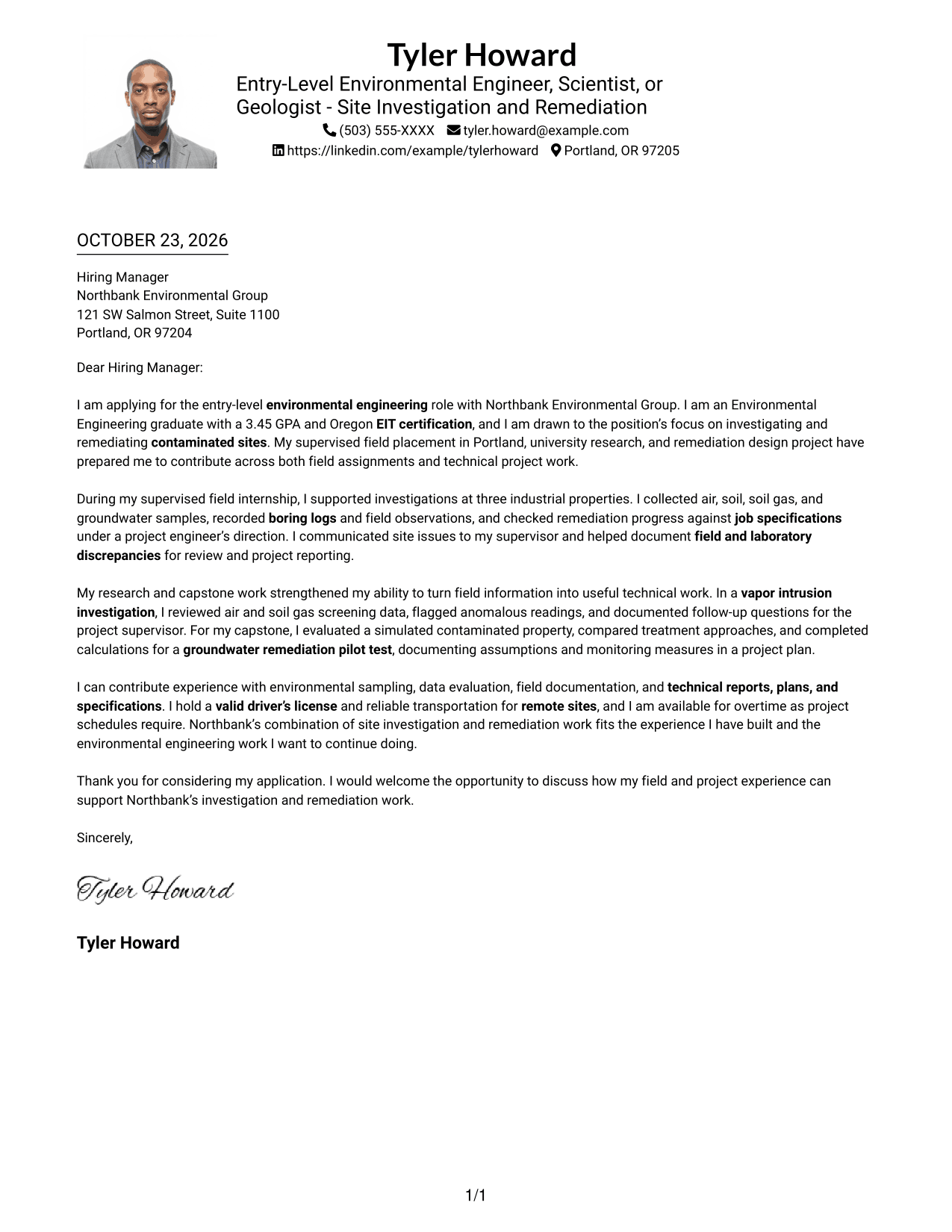
Why This Format Works
- One-column reading order lets reviewers follow the letter from start to finish.
- Sender details remain in the header rather than among the body paragraphs.
- Unheaded prose keeps the message in familiar letter form.
Best For
- One-column letter structure
- Photo-inclusive applications
- Direct paragraph sequence
- Header-based sender details
- Unheaded letter bodies
#5 Simple Two Column Format Cover Letter Example
The Simple Two Column Format sets contact details apart from the continuous letter body, a practical option when readers prefer these areas side by side.
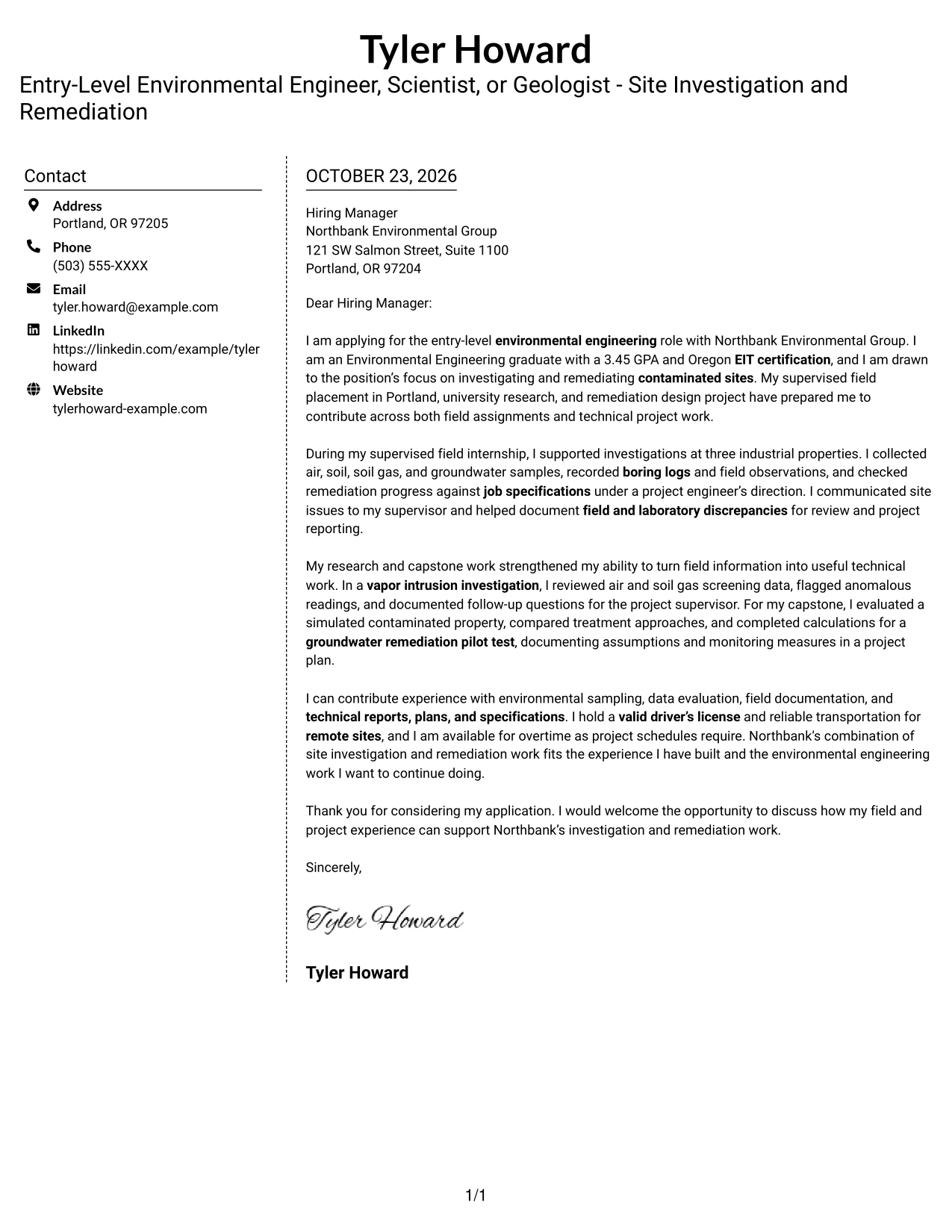
Why This Format Works
- Contact information stays apart from the continuous body, keeping the page easy to navigate.
- Opening, evidence, and closing remain paragraphs in one connected argument.
- Unheaded body text avoids breaking the message into artificial stages.
Best For
- Side-by-side page organization
- Separate contact information
- Connected letter arguments
- No-photo letter layouts
- Unheaded paragraph bodies
#6 Modern Icon Format Cover Letter Example
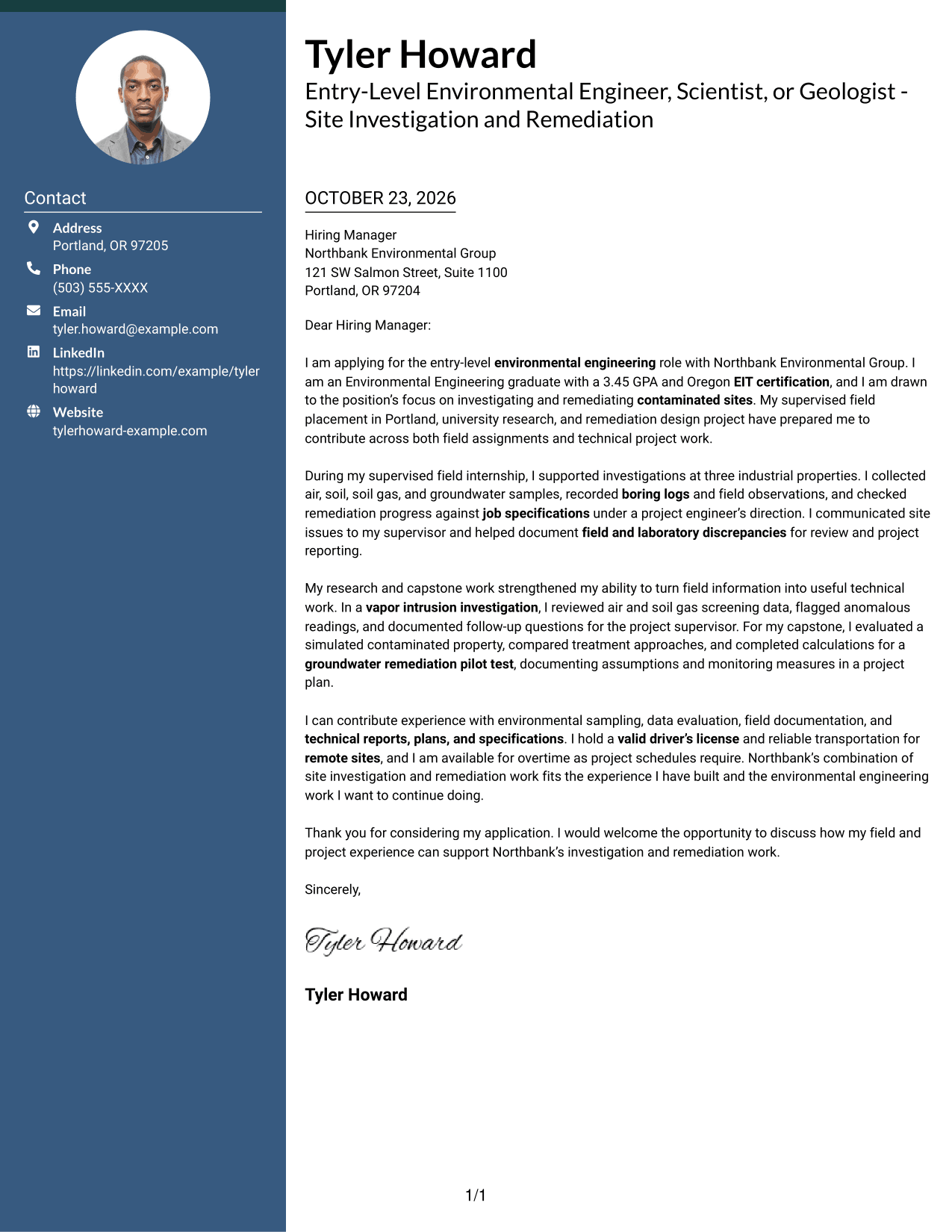
The Modern Icon Format uses icons as contact cues in a sidebar, a useful choice when visual markers can help readers locate sender details.
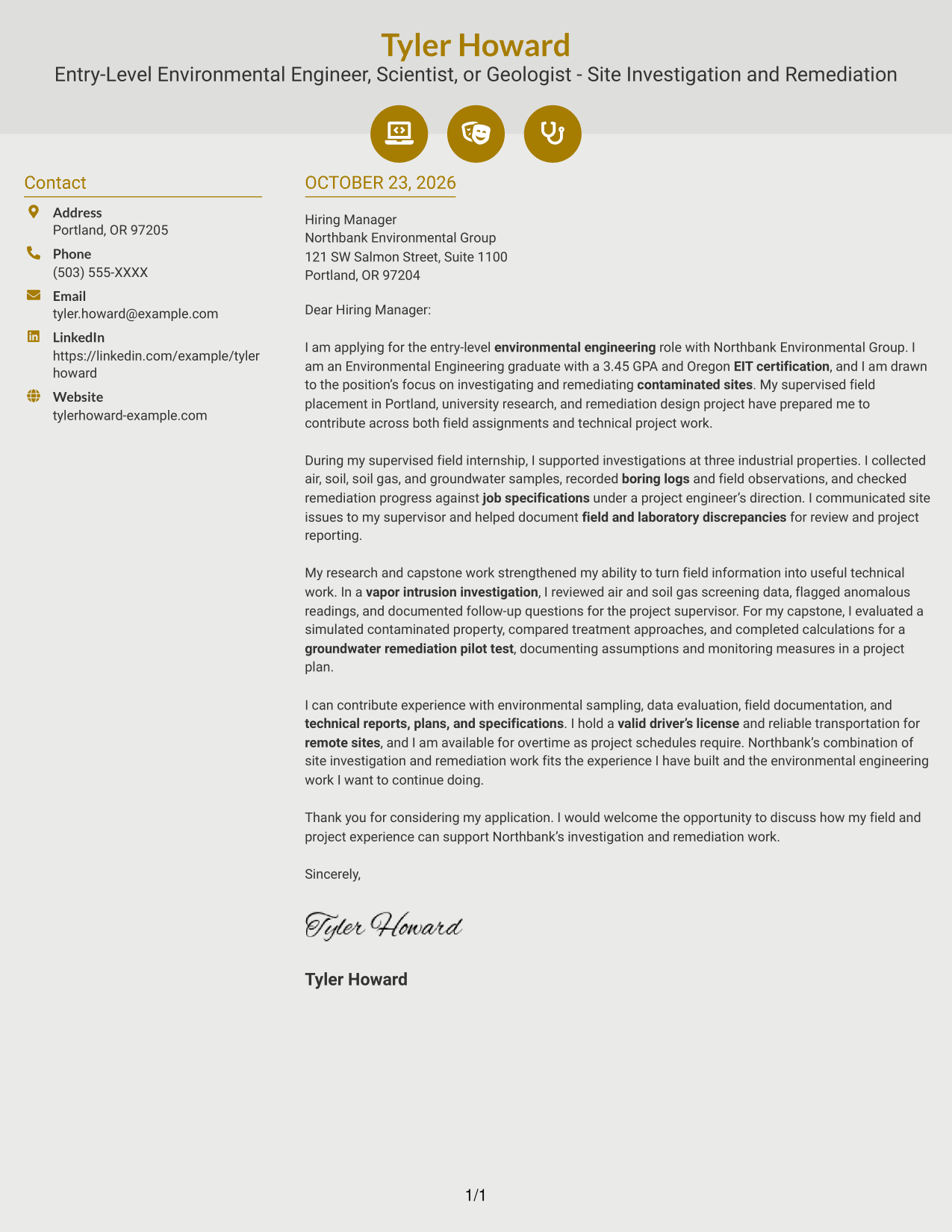
Why This Format Works
- Small contact cues help readers locate sender information in the sidebar.
- Icons do not divide or label the letter's motivation, evidence, or closing.
- Continuous paragraphs preserve the natural sequence of the written appeal.
Best For
- Icon-marked contact details
- Sidebar contact information
- Continuous letter paragraphs
- Unlabeled letter arguments
- No-photo page layouts
#7 Creative Two Tone Format Cover Letter Example
The Creative Two Tone Format places a contact sidebar beside the continuous letter body, a practical choice for readers who want contact details distinct from the message.
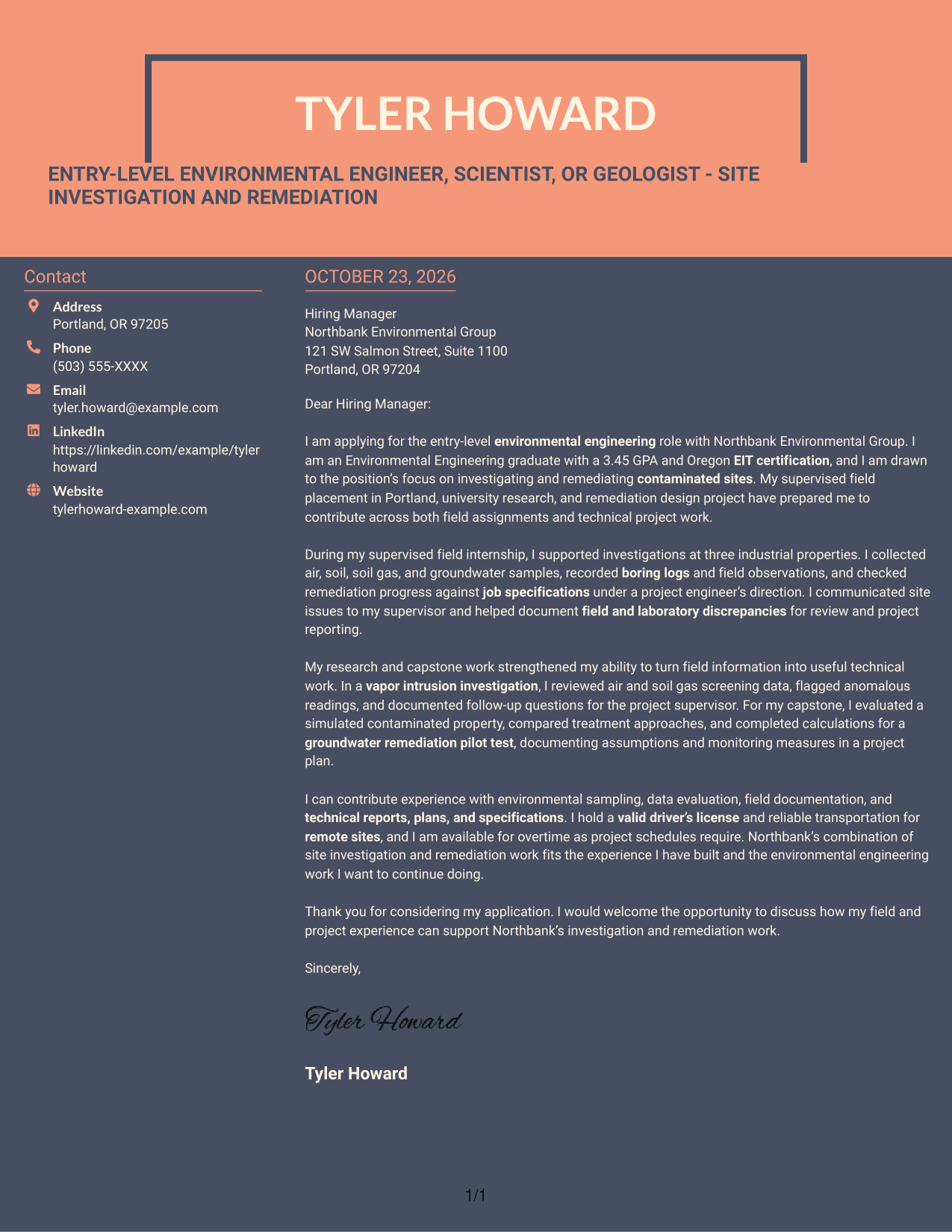
Why This Format Works
- Sidebar contact details sit beside a body that stays in ordinary paragraphs.
- Opening, reasons for interest, and supporting examples remain in one letter body.
- Without body headings, the message reads as a connected personal appeal.
Best For
- Distinct contact and message areas
- Continuous letter body
- Side-by-side reading preference
- Unheaded personal appeals
- No-photo applications
Why Use ResumeInMinutes for an Environmental Site Investigation and Remediation Cover Letter
ResumeInMinutes helps you shape a clear, role-focused cover letter without starting from a blank page. Use the example to organize your motivation, relevant field experience, and interest in the employer’s project work.
- Multiple writing styles
- Clear, readable layouts
- Job-description-based customization
- Focused cover letter examples
- Professional templates
- Editor-based customization
Bring forward the details that matter for site investigation and remediation, such as sampling, vapor intrusion data review, pilot-test planning, technical documentation, and interest in contaminated-site work.
See Also
- 7 Entry-Level Environmental Engineer, Scientist, or Geologist - Site Investigation and Remediation Resume Templates with Example
- 33 Entry-Level Geologist/Environmental Scientist/Environmental Engineer Resume Templates with Example 2026 (ATS-Optimized)
- 33 Environmental Geologist, Scientist, or Engineer (Entry Level) Resume Templates with Example 2026 (ATS-Optimized)
- 33 Geologist / Environmental Scientist Resume Templates with Example 2026 (ATS-Optimized)
- 33 Senior Geologist/Senior Environmental Scientist Resume Templates with Example 2026 (ATS-Optimized)
- 33 Entry-level Environmental Engineer or Scientist Resume Templates with Example 2026 (ATS-Optimized)
- 33 Environmental Engineer/Scientist Intern Resume Templates with Example 2026 (ATS-Optimized)
- 33 Staff Geologist / Scientist I Resume Templates with Example 2026 (ATS-Optimized)
- 30+ Entry-Level Geologist/Environmental Scientist/Environmental Engineer Cover Letter Templates with Example 2026
- 30+ Environmental Geologist, Scientist, or Engineer (Entry Level) Cover Letter Templates with Example 2026
Frequently Asked Questions
What should an Entry-Level Environmental Engineer, Scientist, or Geologist - Site Investigation and Remediation cover letter include?
Explain your interest in investigating and remediating contaminated sites, then support it with relevant examples. Depending on your background, you might discuss environmental sampling, field observations, data review, remediation planning, or technical reports.
Does the guide show one example in different layouts?
Yes. It presents one cover letter example in different visual formats, so you can compare the previews and open a version in the editor to customize it.
How can I show a fit for site investigation and remediation work?
Connect your experience to the work described in the job posting. For example, explain your role in sampling, documenting field conditions, reviewing environmental data, or supporting remediation tasks, and be clear about your own contribution.
How should I discuss field and technical experience in the letter?
Choose one or two specific examples, such as collecting samples, reviewing vapor intrusion screening data, or planning a remediation pilot test. Briefly describe what you did and how you communicated or recorded the results.
Should I include a photo on my cover letter?
Use a photo only if it is common or expected in your country, region, or industry. For U.S. applications, a cover letter without a photo is usually the safer choice.