7 Field Claims Adjuster - Auto Damage Resume Templates with Example
This guide shows you how to build a Field Claims Adjuster - Auto Damage resume that is clear, focused, and easy to review. You will learn how to organize strong evidence and compare 7 professional layouts.
Focus your resume on vehicle inspections, repair estimates, total loss evaluations, supplement review, claim documentation, liability assessment, repair negotiation, customer service, and field inventory ownership. Use short bullets that show sound judgment, clear decisions, and effective work with repair facilities and claims partners.
The examples below use one complete resume across different visual formats, so you can compare structure without changing the underlying facts. Choose the layout that makes your experience, skills, education, credentials, and field-work readiness easiest to find.
What Makes a Great Field Claims Adjuster - Auto Damage Resume in 2026
A strong resume is easy to scan and shows clear ownership of auto damage claims, estimating work, repair decisions, and customer communication.
Use direct keywords such as vehicle inspections, total loss evaluations, supplement review, repair negotiation, liability assessment, and claims documentation.
The examples shown below are intentionally detailed to demonstrate a range of experiences, skills, accomplishments and relevant keywords. We prefer detailed resumes as they provide more context to the hiring managers and also help the ATS systems identify relevant qualifications and score your resume better for a match. But the length of a resume is an individual choice. If you want a one page resume, just keep the most relevant experience and information for the job. Note: Resume examples are for educational purposes only. Use only information that accurately reflects your experience and qualifications. References to real organizations do not imply affiliation or endorsement.
#1 Plain Two Column Format Resume Example
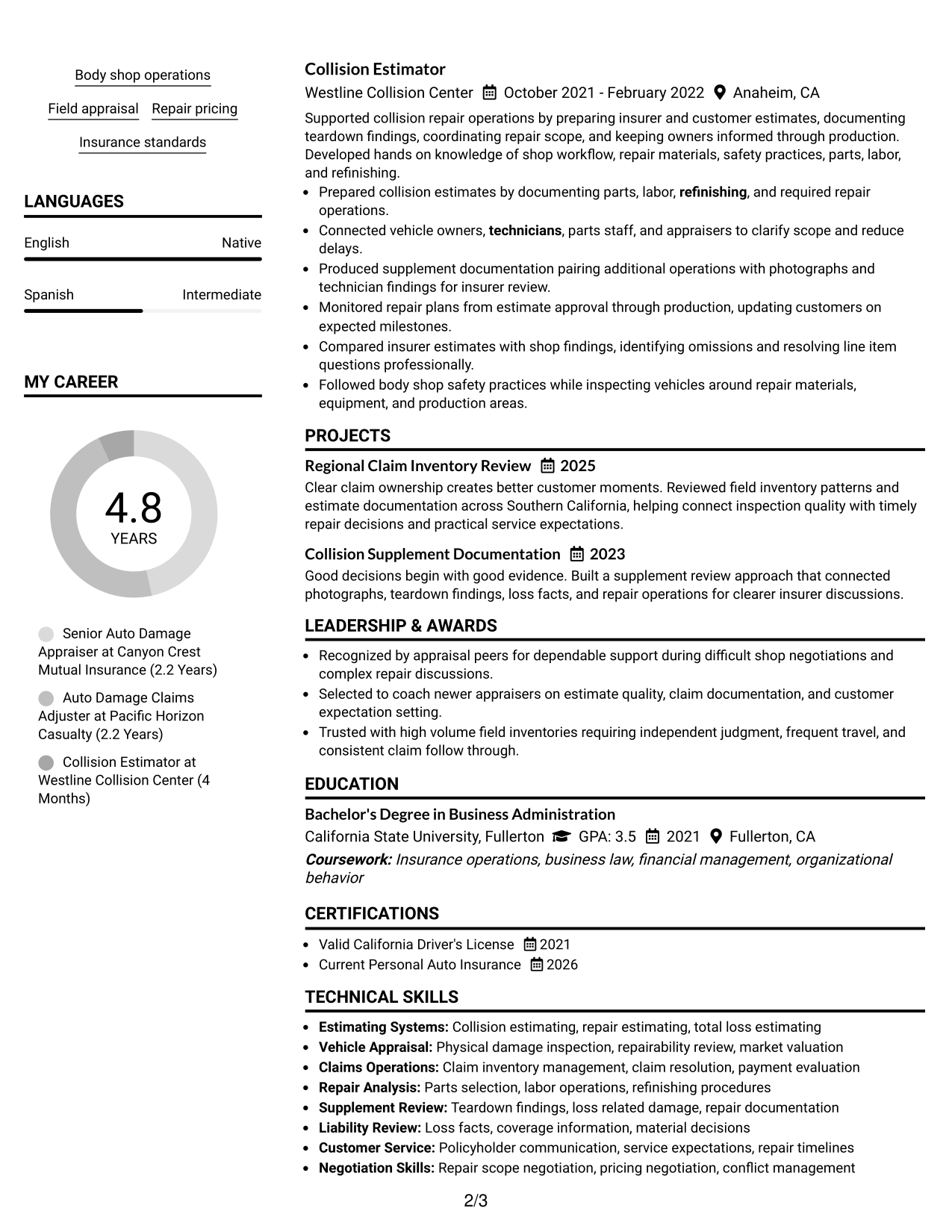
This plain two-column format separates detailed experience from supporting sections, helping recruiters scan the resume in a clear order.
Resume Snapshot
- Five years across field appraisal, collision estimating, claim resolution, and customer service
- Current Senior Auto Damage Appraiser with Southern California field inventory responsibility
- Bachelor's Degree in Business Administration from California State University, Fullerton
- Valid California driver's license and current personal auto insurance
Why This Format Works
- Two columns separate detailed experience from skills, education, and credentials.
- Clear section boundaries help recruiters follow career progression without losing supporting details.
- Balanced spacing keeps achievements visible while preserving room for supporting qualifications.
Best For
- Resumes with substantial experience and supporting sections
- Readers comparing claims history with skills
- Balanced career and credential presentation
- Field roles with varied evidence
- Applications needing fast section scanning
Resume Keywords
- Field Claims Adjuster
- Auto Damage
- vehicle inspections
- repair estimates
- total loss evaluations
- supplement review
- repair negotiation
- liability assessment
- claims documentation
- claim inventory
#2 Simple One Column Format Resume Example
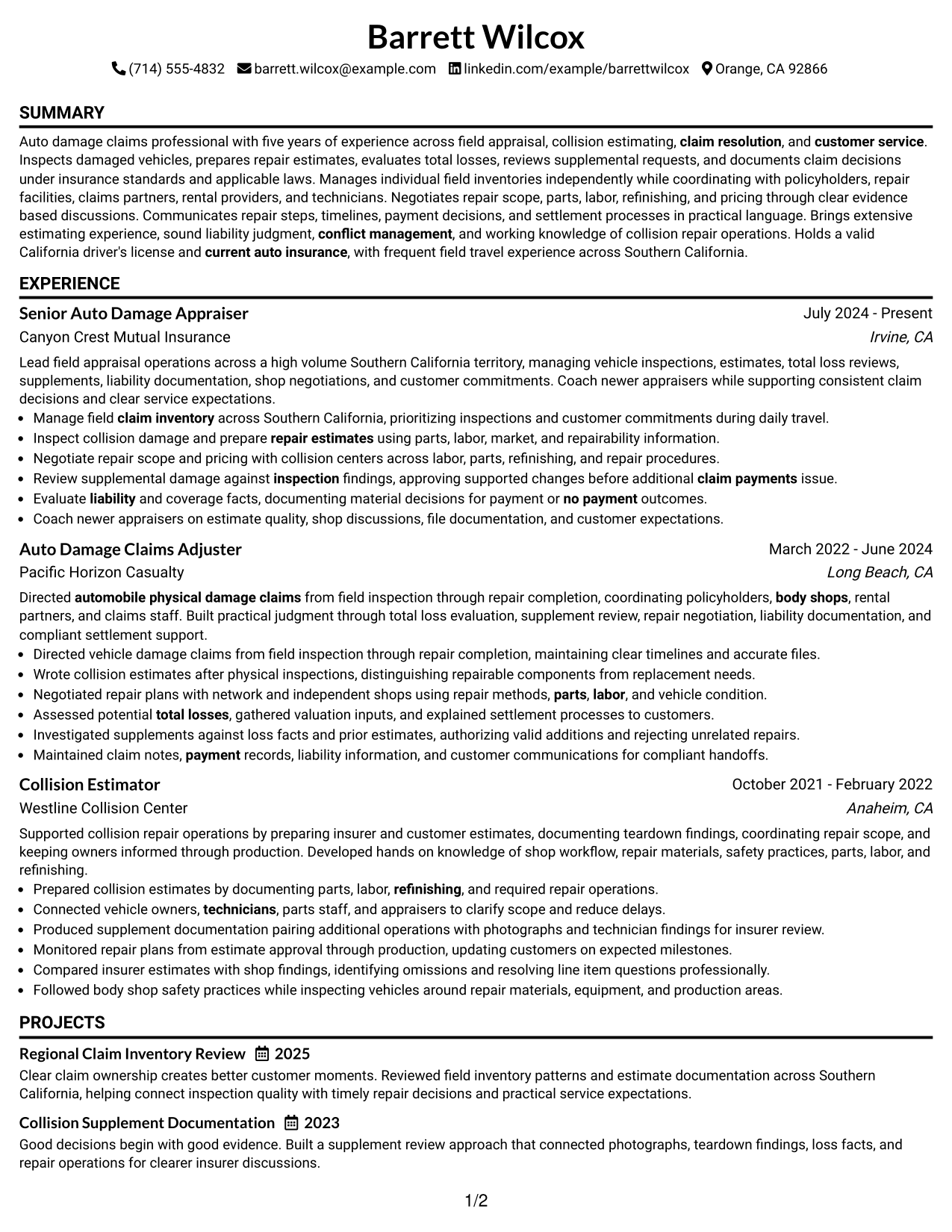
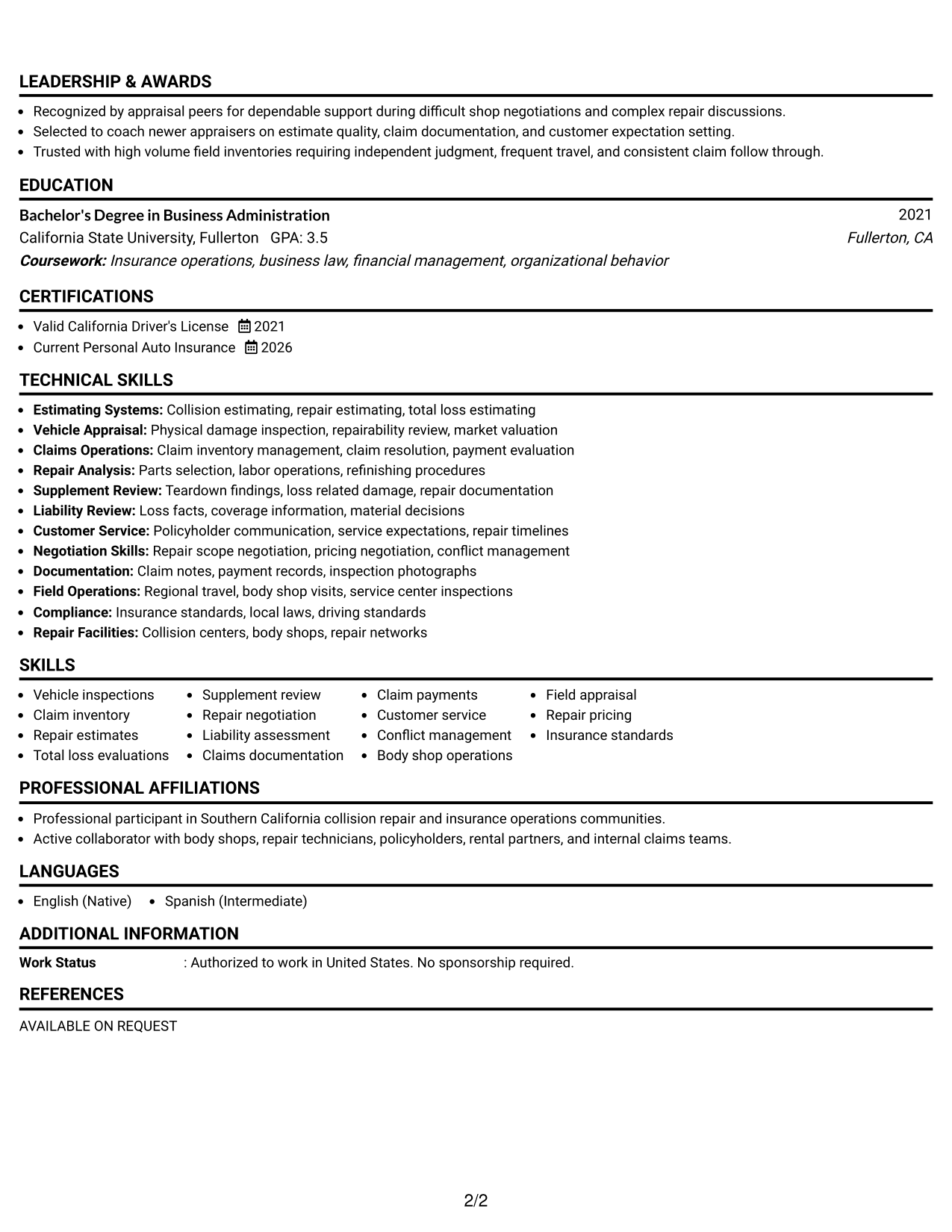
This simple one-column format gives recruiters one direct reading path through each resume section from top to bottom.
Why This Format Works
- Single-column reading keeps experience, education, skills, and credentials in sequence.
- Wide text space supports detailed achievement bullets without splitting the reader's attention.
- Simple section flow makes career history easy to review from top to bottom.
Best For
- Straightforward career histories
- Detailed experience bullets
- ATS-conscious applications
- Readers who prefer linear scanning
- Resumes with strong chronological flow
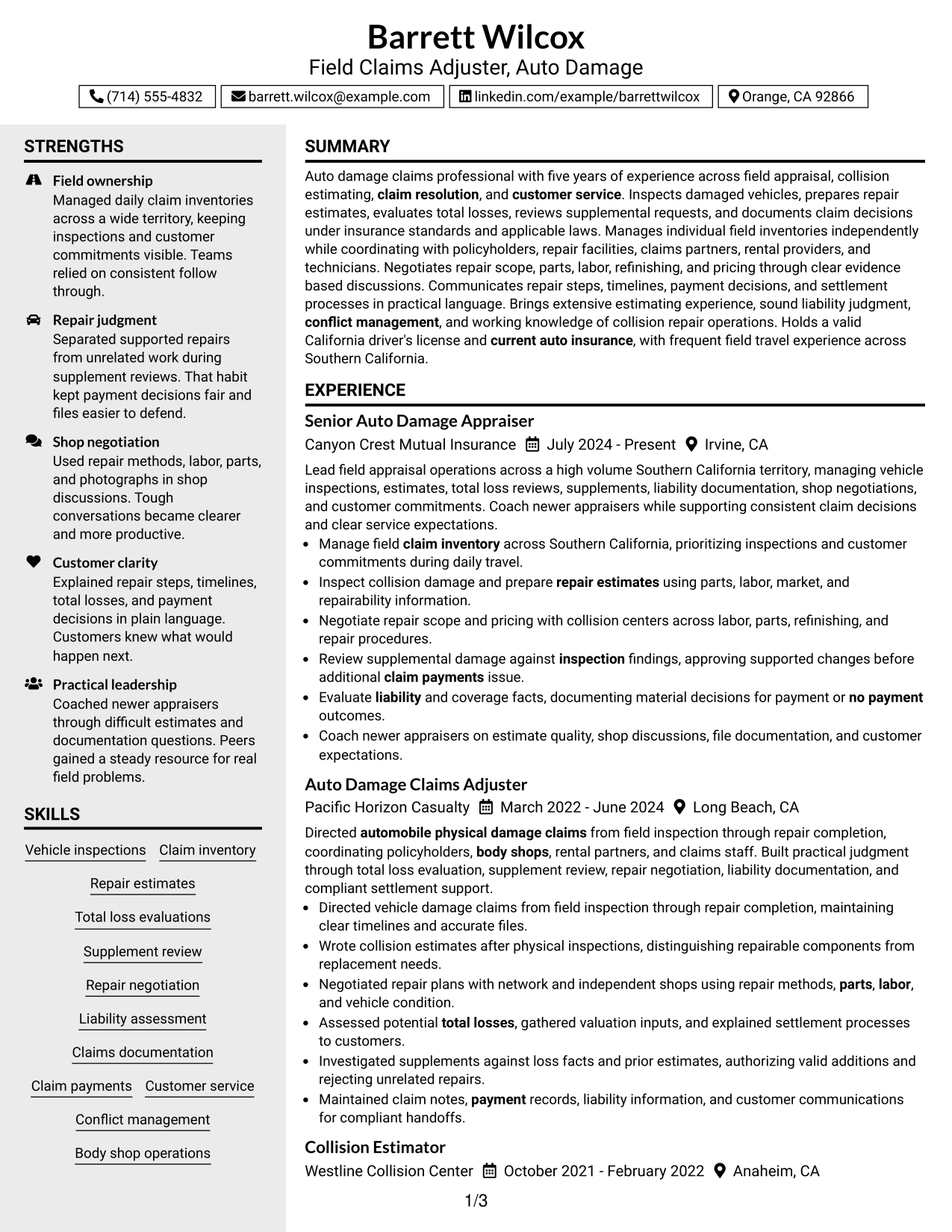
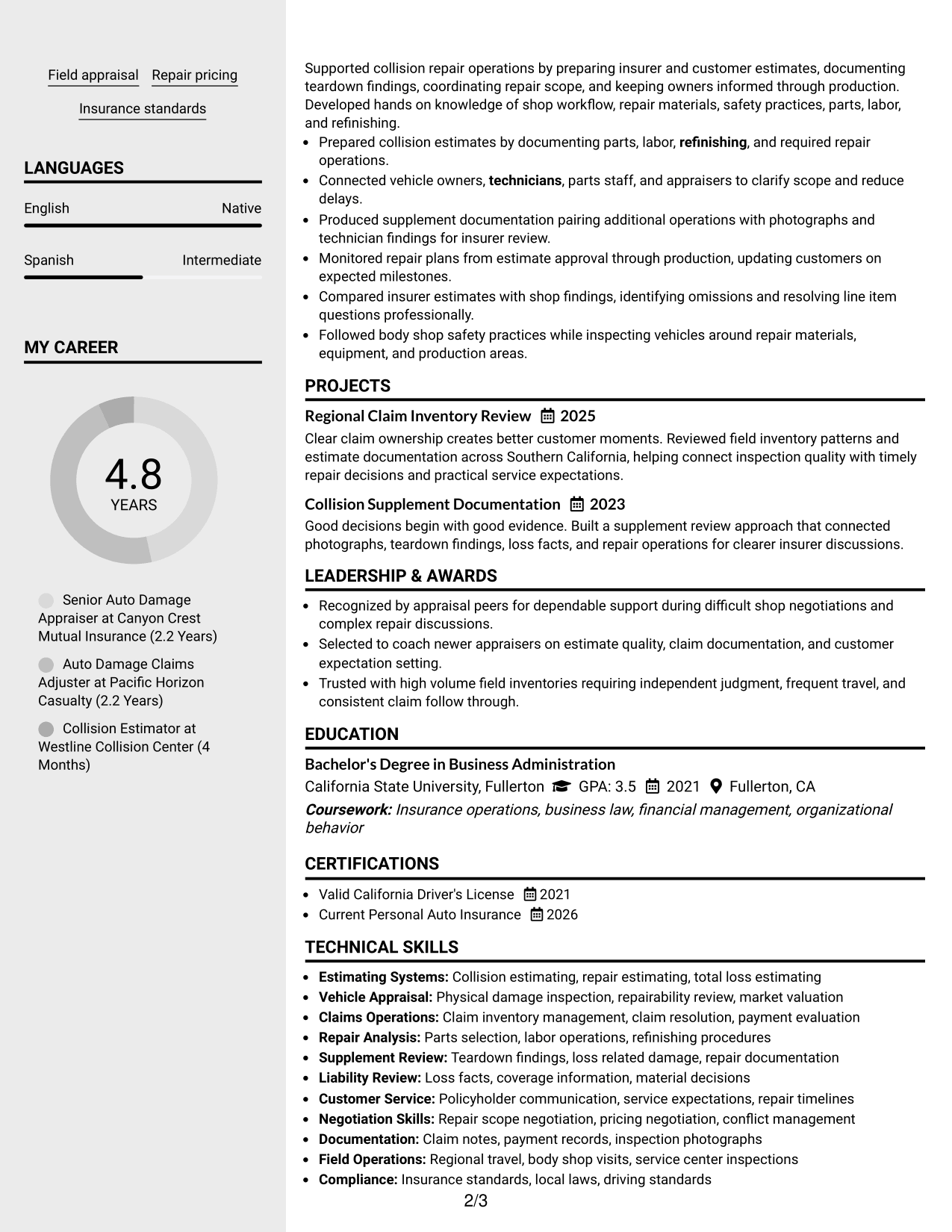
#3 Clean Two Column Sidebar Format Resume Example
This clean two-column sidebar format keeps core experience prominent while giving supporting resume sections a distinct place for quick review.
Why This Format Works
- Sidebar separation keeps supporting skills and credentials apart from detailed experience.
- Main-column space lets recruiters follow career progression with fewer visual interruptions.
- Distinct section areas make education and qualifications easier to locate during review.
Best For
- Experience-heavy resumes with compact supporting details
- Quick access to skills and credentials
- Readers comparing core history and qualifications
- Organized two-column navigation
- Applications with several resume sections
#4 Two Column Format Resume Example
This two-column format divides the resume into parallel content areas, helping recruiters compare main experience with supporting information efficiently.
Why This Format Works
- Parallel columns create clear separation between career evidence and supporting resume sections.
- Compact organization helps recruiters compare experience with education and skills efficiently.
- Structured section blocks keep achievements visible without crowding the overall reading path.
Best For
- Resumes with balanced experience and skills
- Compact presentation of several sections
- Readers making side-by-side comparisons
- Career histories with strong supporting details
- Applications needing efficient use of space
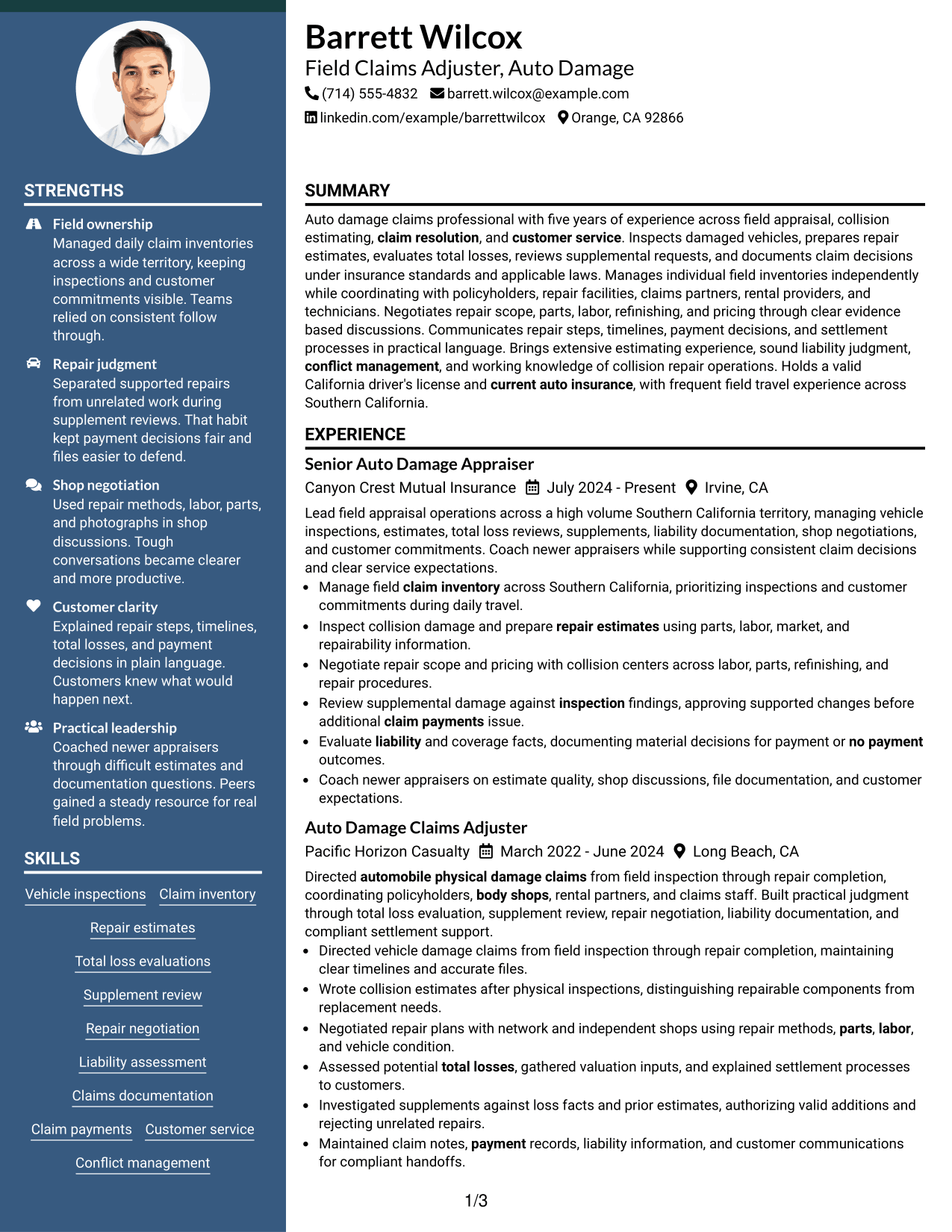
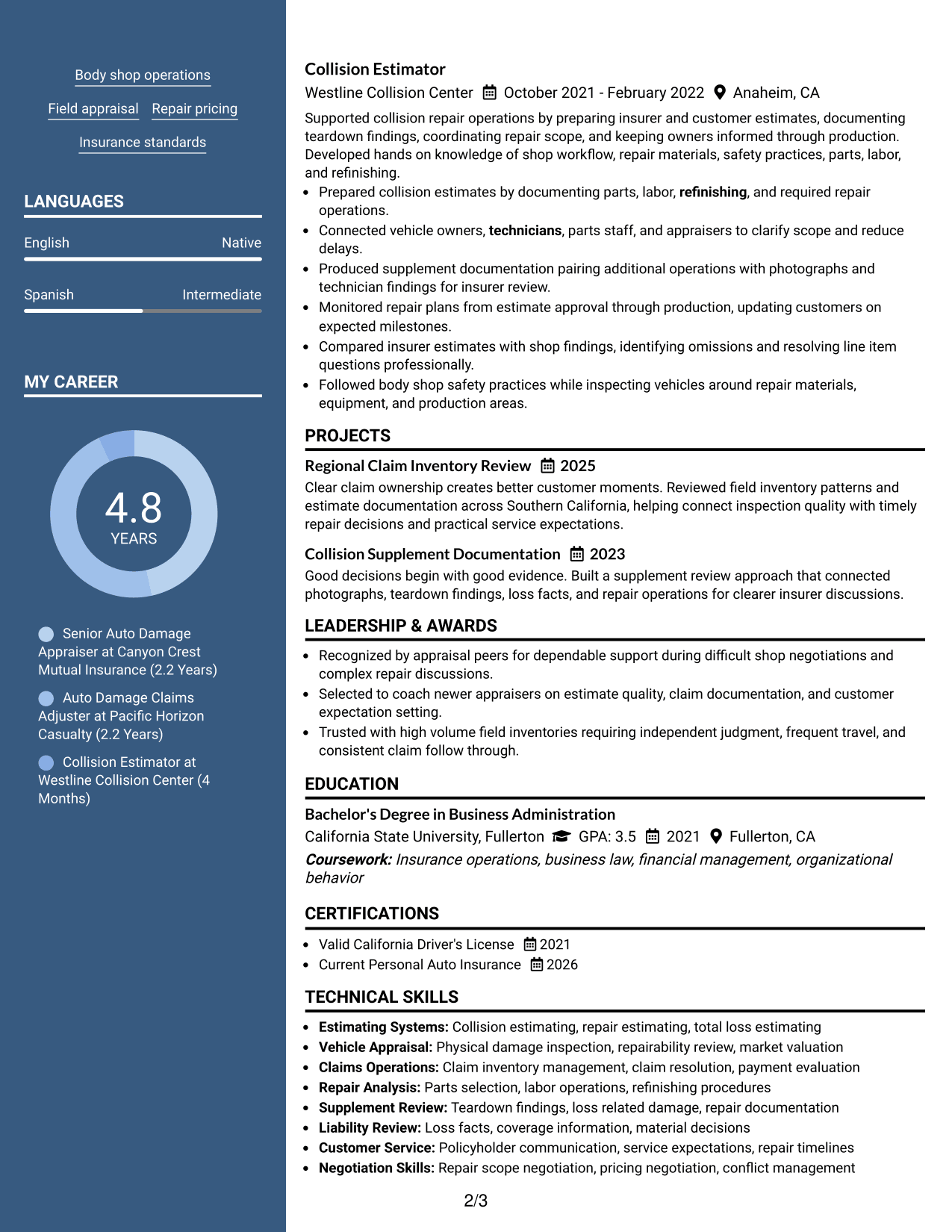
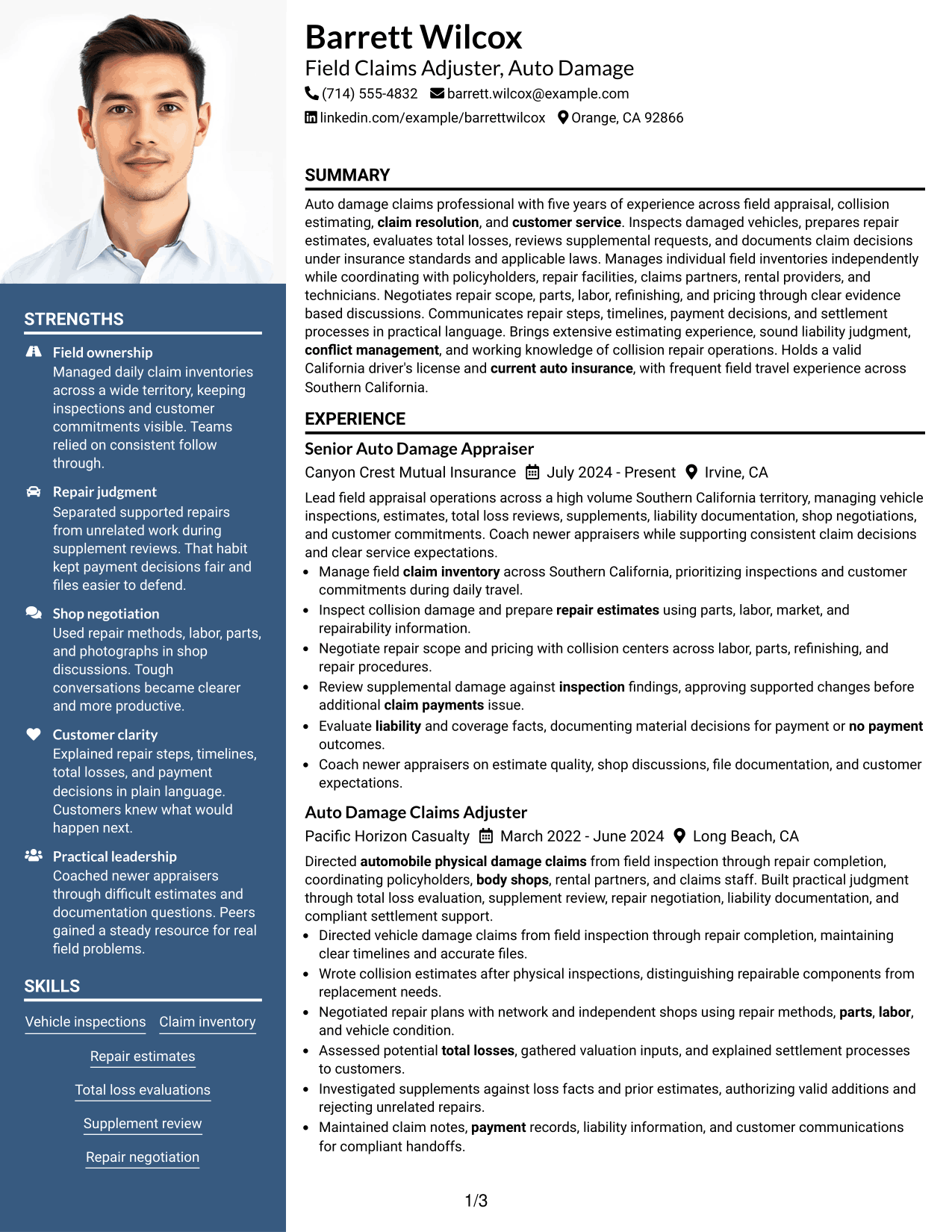
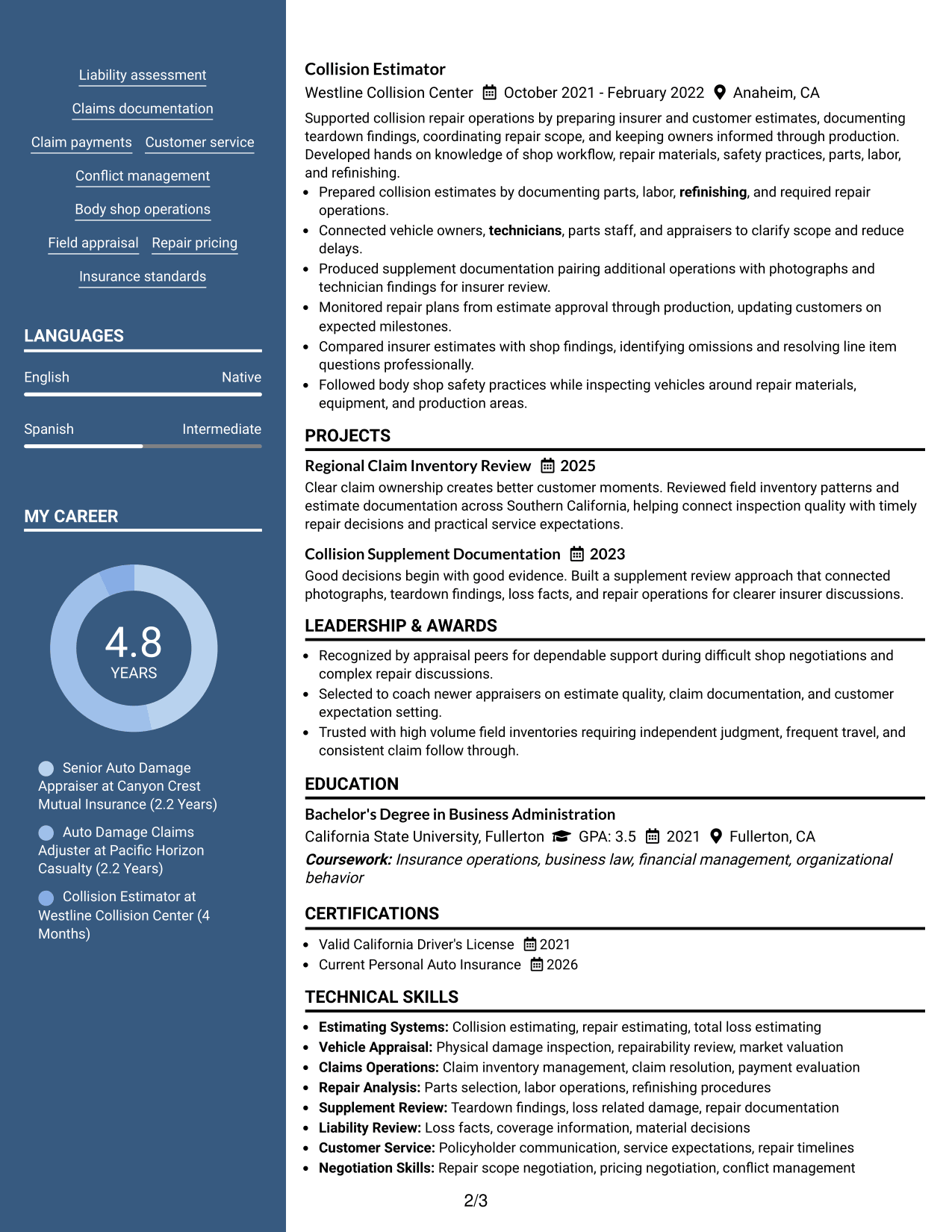
#5 Photo Header Two Column Format Resume Example
This photo header two-column format adds a visible identity area above a split body that helps recruiters navigate resume sections quickly.
Why This Format Works
- Two-column body separates experience from supporting qualifications for easier section review.
- Header identity area is distinct from the resume's career and credential content.
- Body section boundaries help recruiters locate achievements, skills, education, and credentials.
Best For
- Regions where resume photos are customary
- Applications needing a prominent identity header
- Two-column organization with clear section separation
- Resumes mixing detailed history and compact credentials
- Readers who value visible contact information
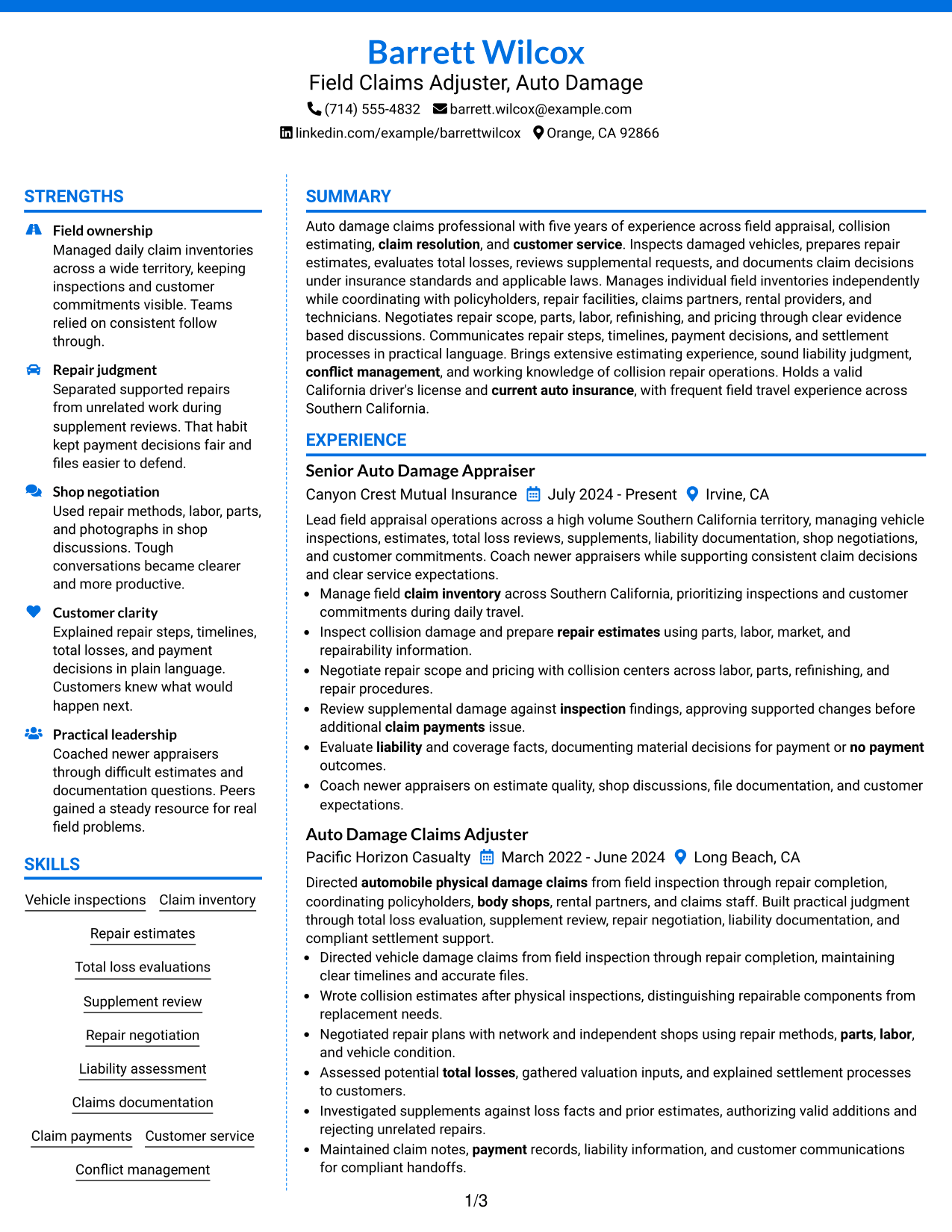
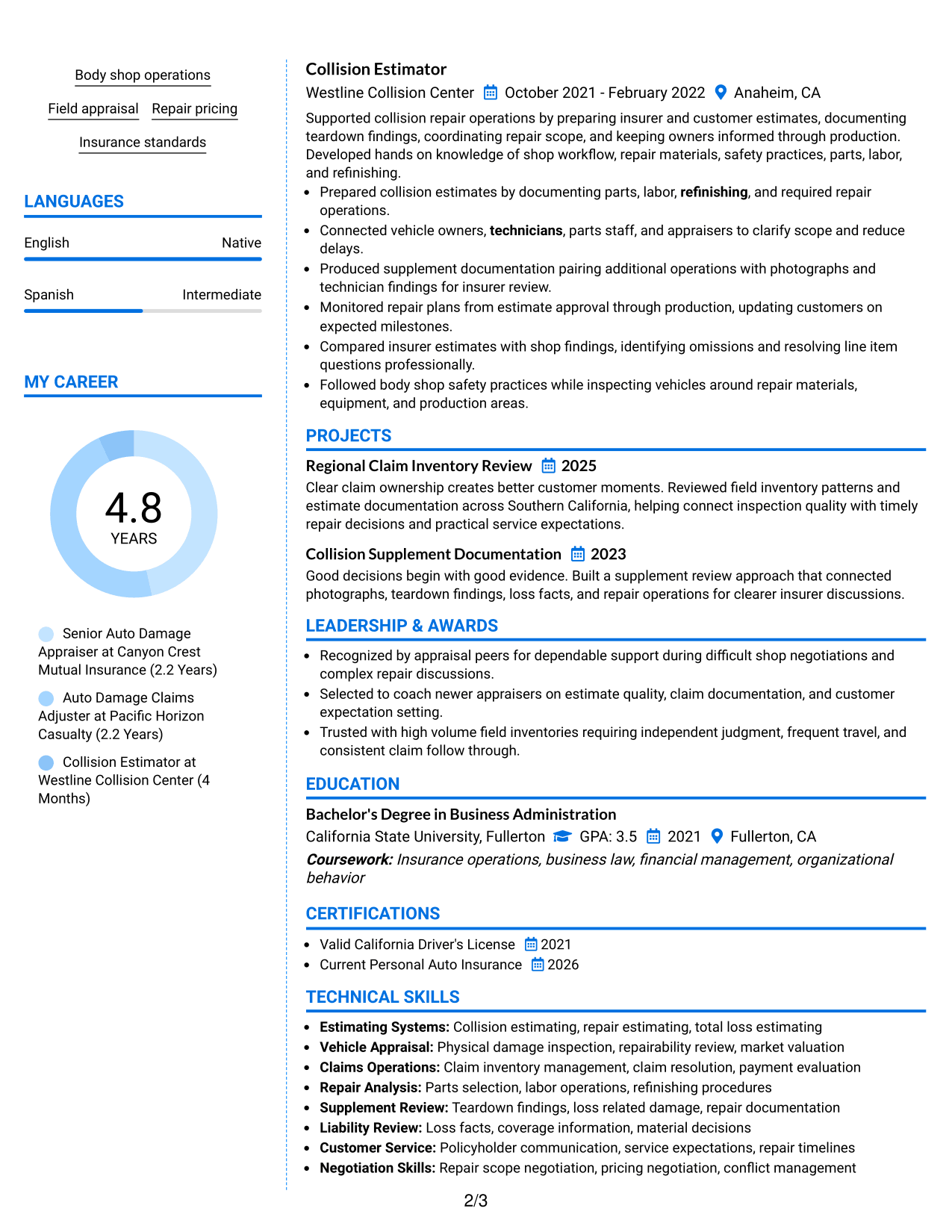
#6 Colored Two Column Format Resume Example
This colored two-column format uses visual contrast to separate resume areas while keeping experience and supporting sections easy to scan.
Why This Format Works
- Color contrast marks section boundaries without changing the resume's factual content.
- Two-column organization keeps detailed experience separate from skills and credentials.
- Defined visual areas help recruiters move between achievements and supporting qualifications.
Best For
- Readers who benefit from stronger section cues
- Resumes with several supporting qualifications
- Two-column layouts with visual separation
- Applications allowing restrained color
- Career evidence needing clear grouping
#7 Stylish Two Column Designer Format Resume Example
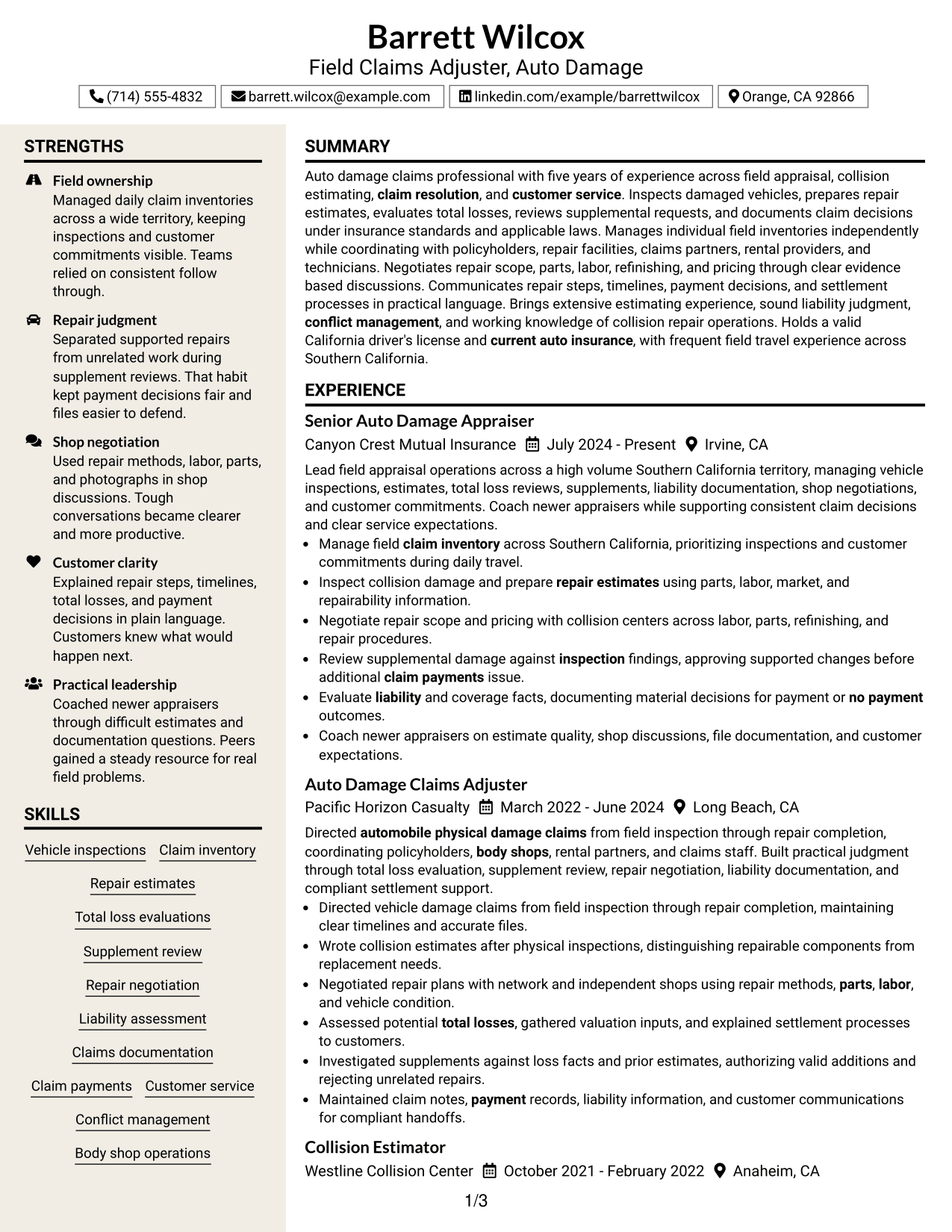
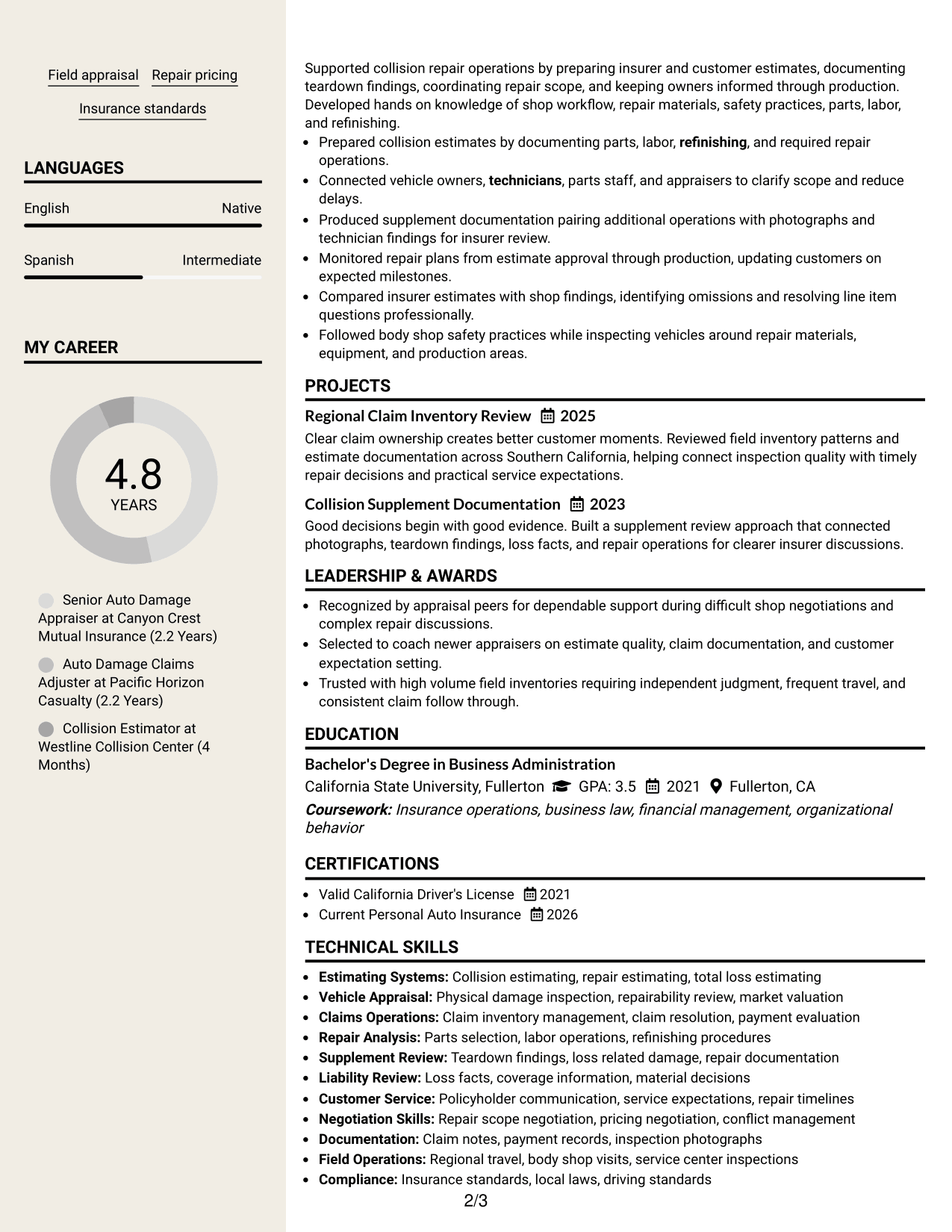
This stylish two-column designer format gives resume sections clear visual distinction while preserving a practical path through the career history.
Why This Format Works
- Distinct section styling helps recruiters identify experience, skills, education, and credentials.
- Two-column structure keeps supporting details available without interrupting career progression.
- Clear visual grouping makes a content-rich resume easier to navigate during review.
Best For
- Content-rich resumes needing stronger visual grouping
- Readers scanning many resume sections
- Applications where polished styling is appropriate
- Experience sections paired with concise qualifications
- Professionals wanting a more designed look
Why Build Your Field Claims Adjuster - Auto Damage Resume with ResumeInMinutes
ResumeInMinutes helps you turn field appraisal, collision estimating, claim resolution, and customer service experience into a clear resume that is simple to tailor.
- Professional resume formats
- ATS-friendly section structure
- Role-focused keyword guidance
- Clear experience and skills organization
- Free PDF resume previews
- Fast resume customization
You can keep the same accurate career history while testing layouts that make estimating, claims ownership, repair negotiation, documentation, and field readiness easier to review.
See Also
- 33 Injury Adjuster Apprentice - Auto Claims Resume Templates with Example
- 7 Claims Adjuster - Attorney Represented Injury Resume Templates with Example
- 7 Claims Adjuster Trainee Resume Templates with Example
- 7 Senior Claims Adjuster - Property & Casualty Resume Templates with Example
- 7 Claims Administrative Support Specialist Resume Templates with Example
- 7 Claims Resolution Specialist I - Hospital Billing Office Resume Templates with Example
- 33 Animal Control Officer - Field Animal Enforcement Resume Templates with Example 2026 (ATS-Optimized)
- 33 Biological Field Technician Resume Templates with Example 2026 (ATS-Optimized)
- 30+ Biological Field Technician Cover Letter Templates with Example 2026
- 30+ Entry Level Field Engineer Cover Letter Templates with Example 2026
Frequently Asked Questions
Are these Field Claims Adjuster - Auto Damage resume templates ATS-friendly?
Yes. The layouts use clear resume sections and readable headings. You should still use exact, supported keywords from the job posting and your own experience.
Are these different resumes?
No. This guide presents one Field Claims Adjuster - Auto Damage resume in different visual formats so you can compare layout choices fairly.
What should a Field Claims Adjuster - Auto Damage resume include?
Include a focused summary, relevant experience, skills, education, licenses or credentials, and strong bullets about inspections, estimates, total losses, supplements, liability, payments, and repair negotiations.
Can I download the resume templates as PDFs?
Yes. Each design offers a free PDF preview so you can compare the layout before choosing a format.
Which resume style is best for a Field Claims Adjuster - Auto Damage position?
Choose a layout that keeps experience and claim work easy to scan. A simple one-column format gives a direct reading order, while a balanced two-column format can separate skills and credentials from detailed experience.
How should I show estimating and appraisal experience?
Use specific bullets that explain inspections, repair estimates, total loss reviews, supplement decisions, repair pricing discussions, and claim documentation. Add measurable results only when you can support them.
Should I include a photo on my resume?
For most U.S. applications, a no-photo resume is usually the safer choice. Use a photo only when it is customary and appropriate for the application context.
Can I customize these resume templates?
Yes. You can change the text and visual format while keeping your claims experience, skills, education, licenses, and contact details accurate.