7 Infrastructure Engineering Manager - Network, Cloud, and Systems Resume Templates with Example
This practical guide shows you how to build an Infrastructure Engineering Manager - Network, Cloud, and Systems resume that is clear, focused, and easy to review. You will learn how to organize leadership evidence, technical scope, and operational impact so recruiters can find the strongest points quickly.
Strong resumes for this role connect engineering leadership with production accountability. Use direct evidence of capacity planning, incident command, distributed-team leadership, cloud and hybrid infrastructure, networking, Infrastructure-as-Code, Git-based change management, monitoring, vendor management, and executive communication.
The same complete resume is presented in 7 ATS-friendly resume layouts so you can compare reading order, section emphasis, and visual structure while keeping the underlying qualifications consistent.
What Makes a Great Infrastructure Engineering Manager - Network, Cloud, and Systems Resume in 2026
A strong resume is easy to scan, leadership-focused, and grounded in production responsibility. It should show how you guide teams, protect reliability, and make clear operating decisions.
Use relevant terms such as capacity planning, incident command, on-call operations, AWS, hybrid infrastructure, networking, Infrastructure-as-Code, Git change management, monitoring, vendor management, and executive communication.
The examples shown below are intentionally detailed to demonstrate a range of experiences, skills, accomplishments and relevant keywords. We prefer detailed resumes as they provide more context to the hiring managers and also help the ATS systems identify relevant qualifications and score your resume better for a match. But the length of a resume is an individual choice. If you want a one page resume, just keep the most relevant experience and information for the job. Note: Resume examples are for educational purposes only. Use only information that accurately reflects your experience and qualifications. References to real organizations do not imply affiliation or endorsement.
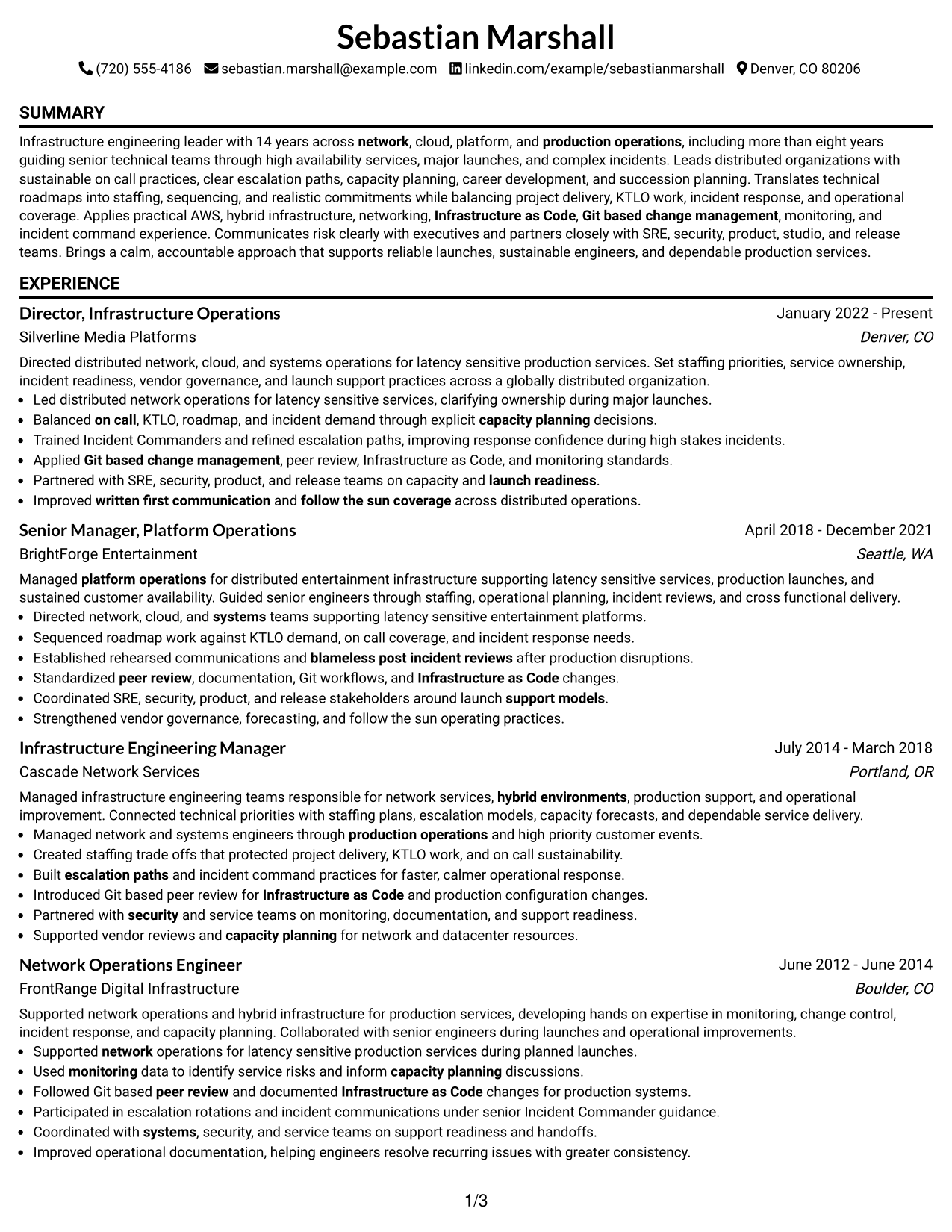
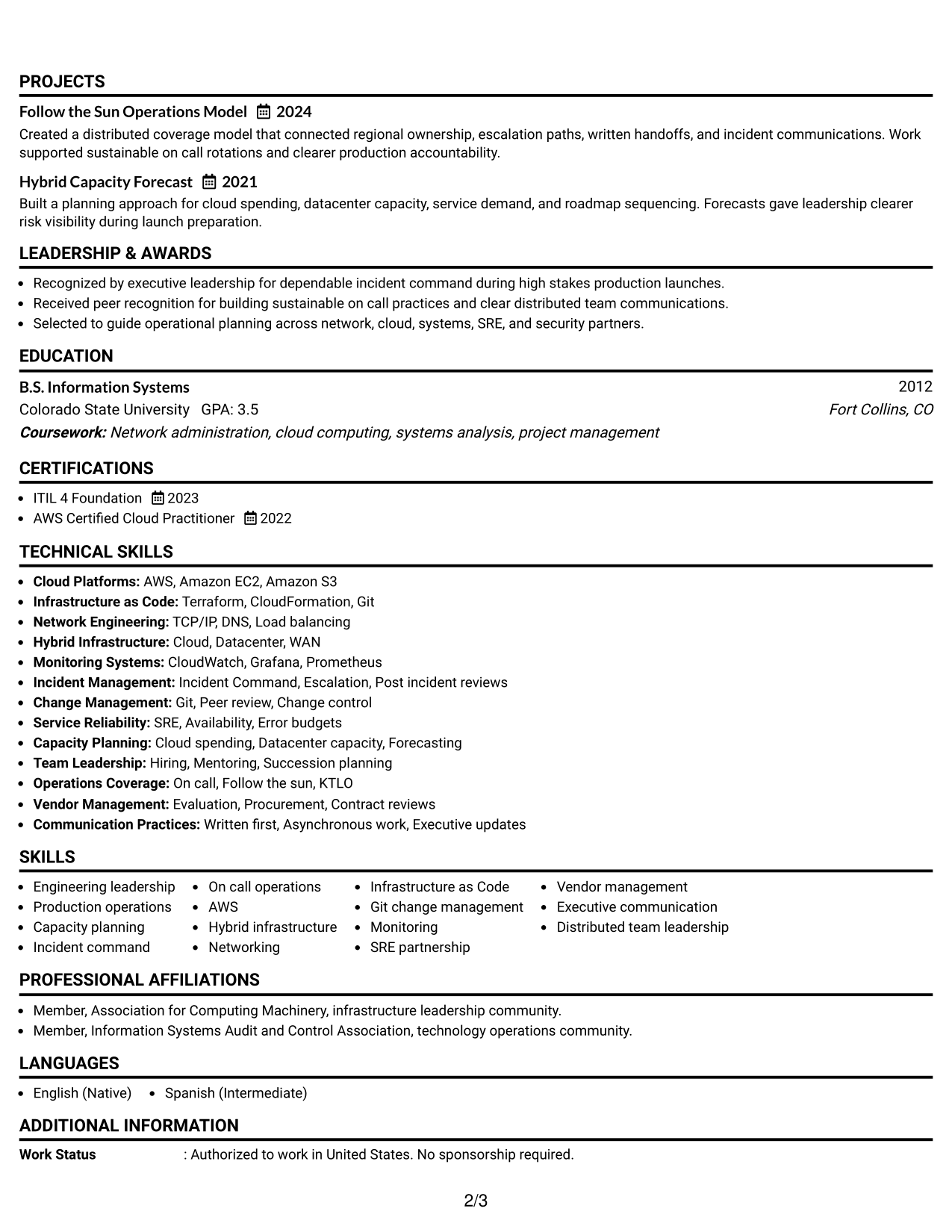
#1 Simple One Column Format Resume Example
A direct one-column reading order helps recruiters move through each resume section without switching between parallel content areas.
Why This Format Works
- Linear section flow makes career progression easy to follow from top to bottom.
- Full-width space gives experience and achievements room for concise, readable detail.
- Simple section order keeps skills, education, and credentials easy to locate.
Best For
- Straightforward recruiter scanning
- Detailed leadership experience
- Longer achievement bullets
- Clear chronological progression
- Traditional application systems
Resume Keywords
- Engineering leadership
- Production operations
- Capacity planning
- Incident command
- On-call operations
- AWS
- Hybrid infrastructure
- Networking
- Infrastructure-as-Code
- Git change management
- Monitoring
- SRE partnership
- Vendor management
- Executive communication
- Distributed team leadership
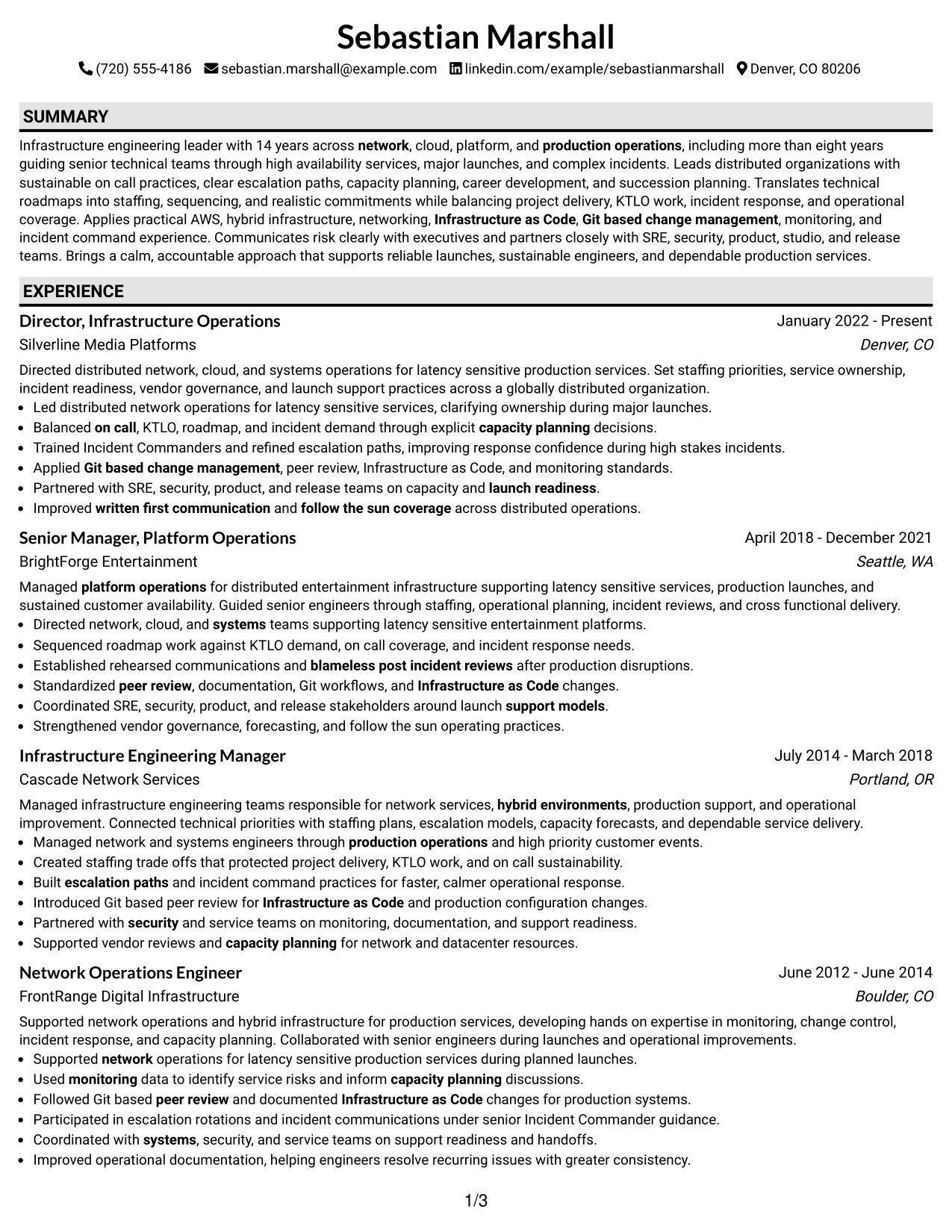
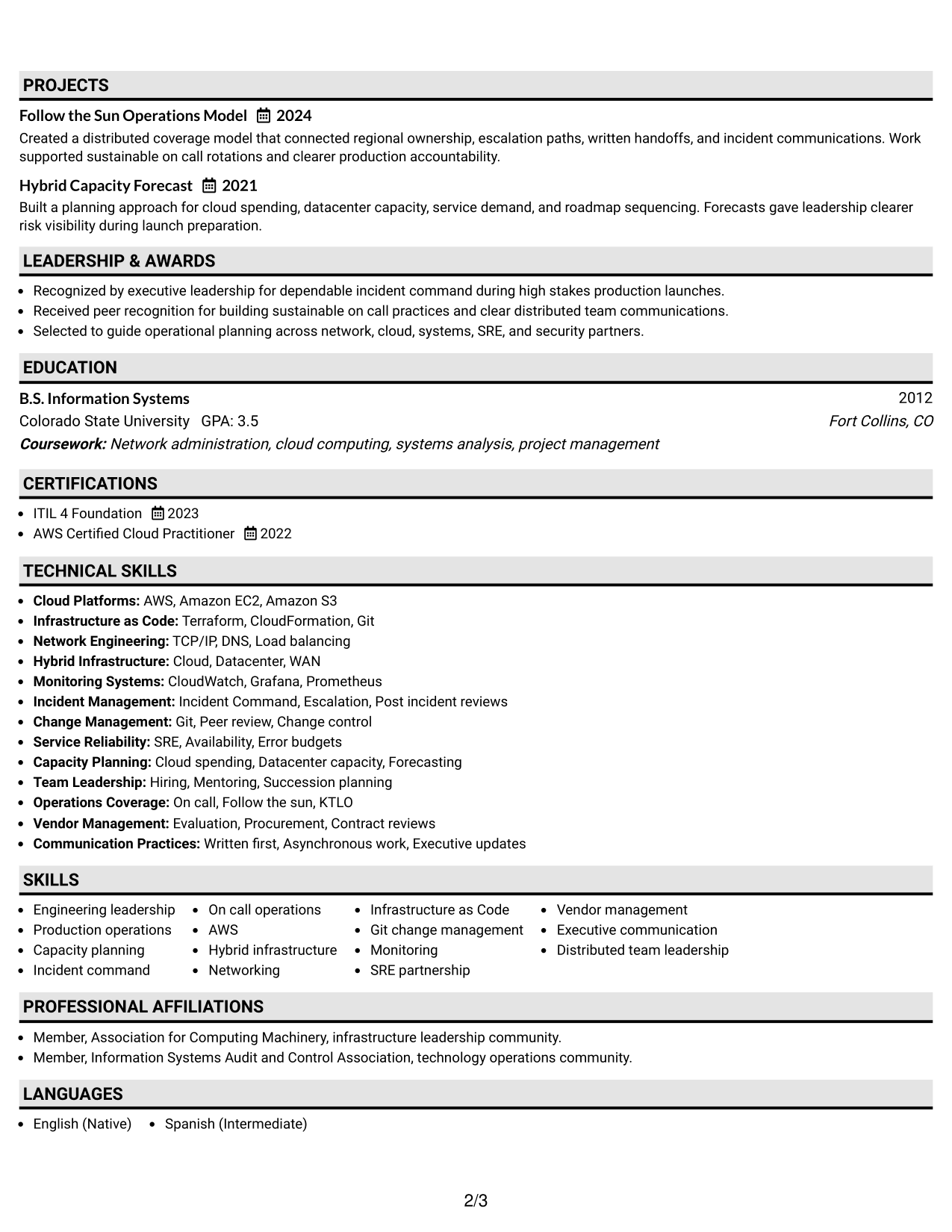
#2 Plain One Column with Shaded Labels Resume Example
Shaded section labels create visible checkpoints in a one-column layout, helping recruiters separate major resume sections during a fast review.
Why This Format Works
- Shaded labels separate experience, skills, education, and credentials without changing reading order.
- One-column structure keeps achievements aligned with the experience entries they support.
- Visible section breaks help recruiters return quickly to key resume categories.
Best For
- Fast section-by-section review
- Resumes with many categories
- Strong section separation
- Chronological experience records
- Readers who prefer visual checkpoints
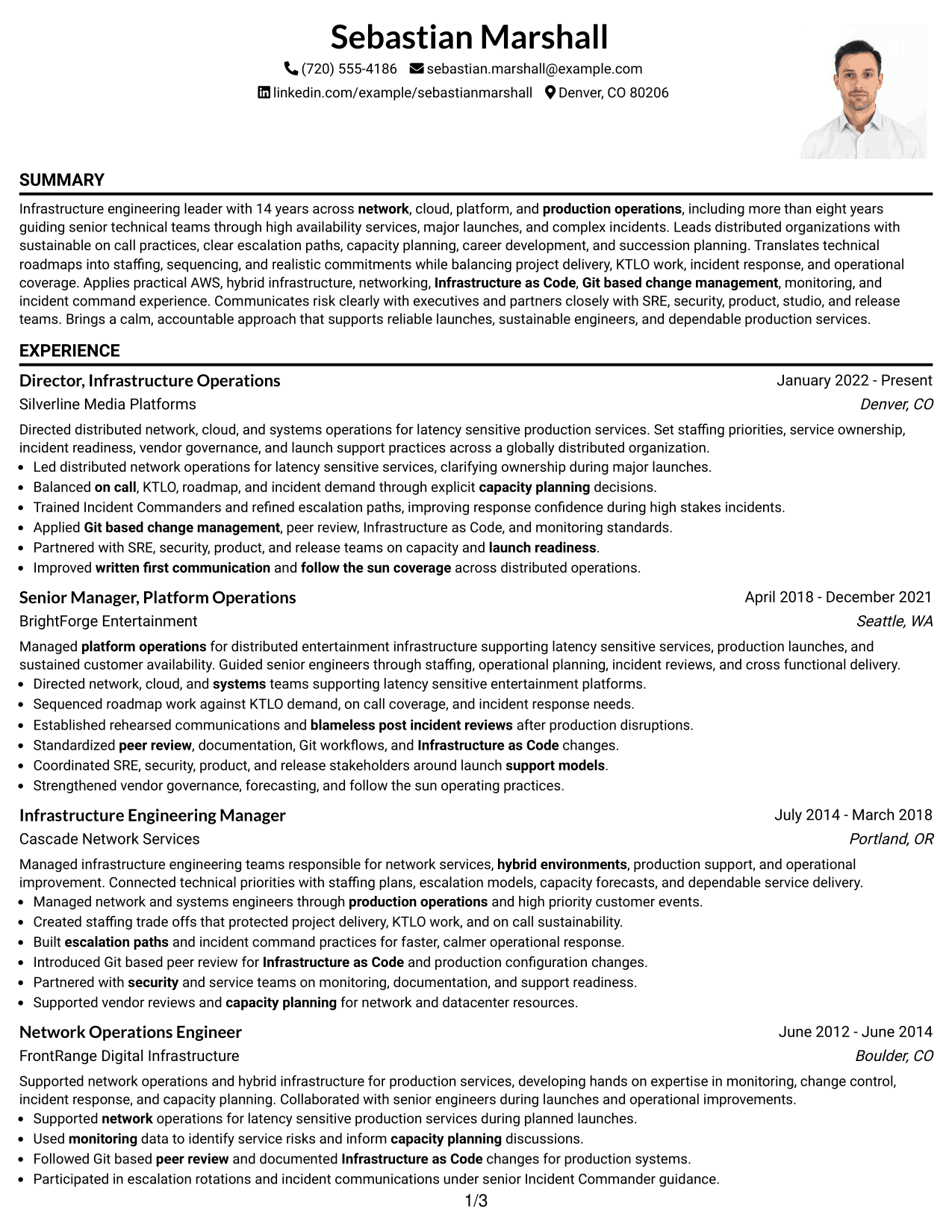
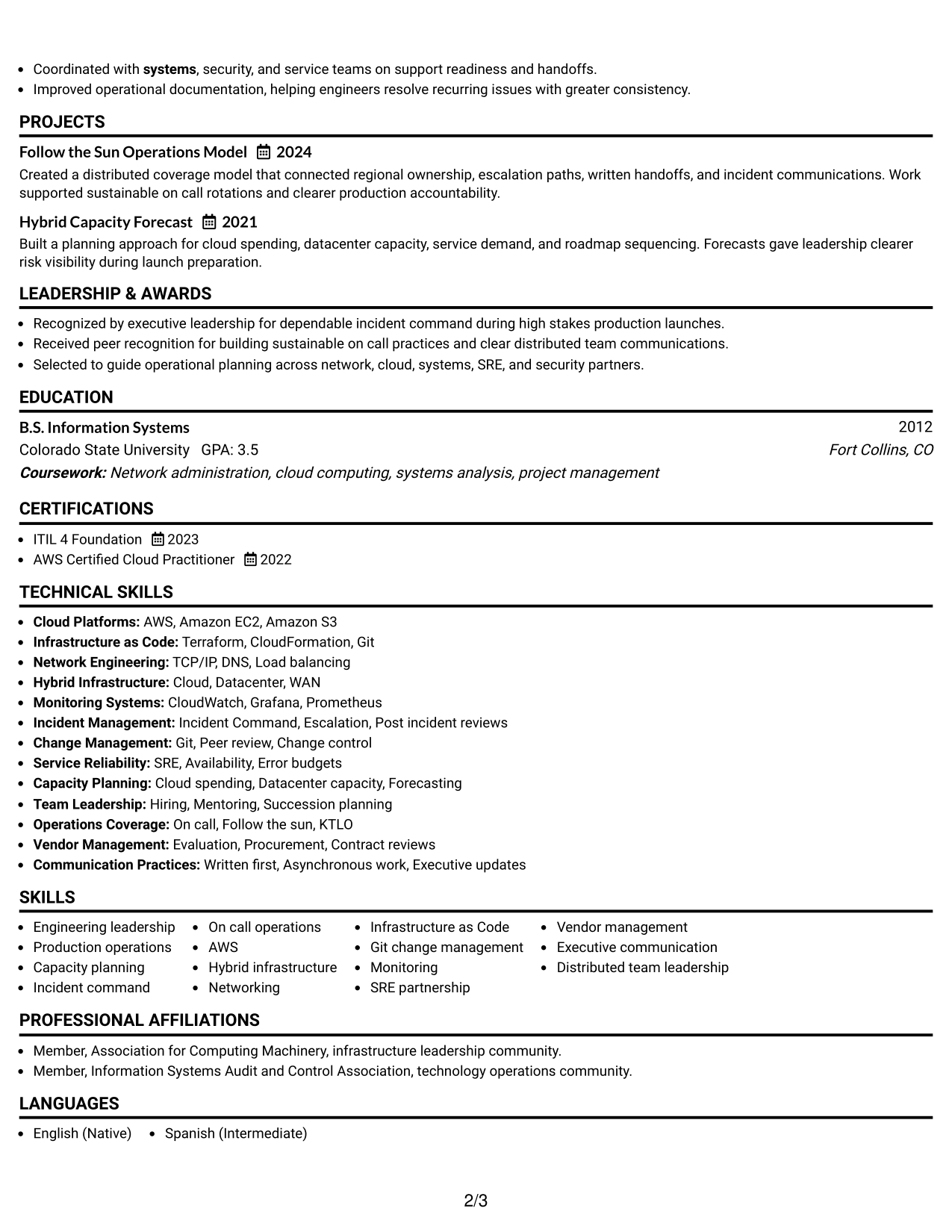
#3 One Column Format with Photo Right Resume Example
A right-side profile photo leaves the one-column body reading order intact while giving the header a distinct visual identity.
Why This Format Works
- Single-column body keeps experience and achievements in one continuous reading sequence.
- Header photo identifies the person without changing the resume body organization.
- Full-width sections leave skills, education, and credentials easy to scan below.
Best For
- Markets where resume photos are customary
- Continuous top-to-bottom reading
- Experience-heavy resumes
- Simple body organization
- Applications needing a personal header
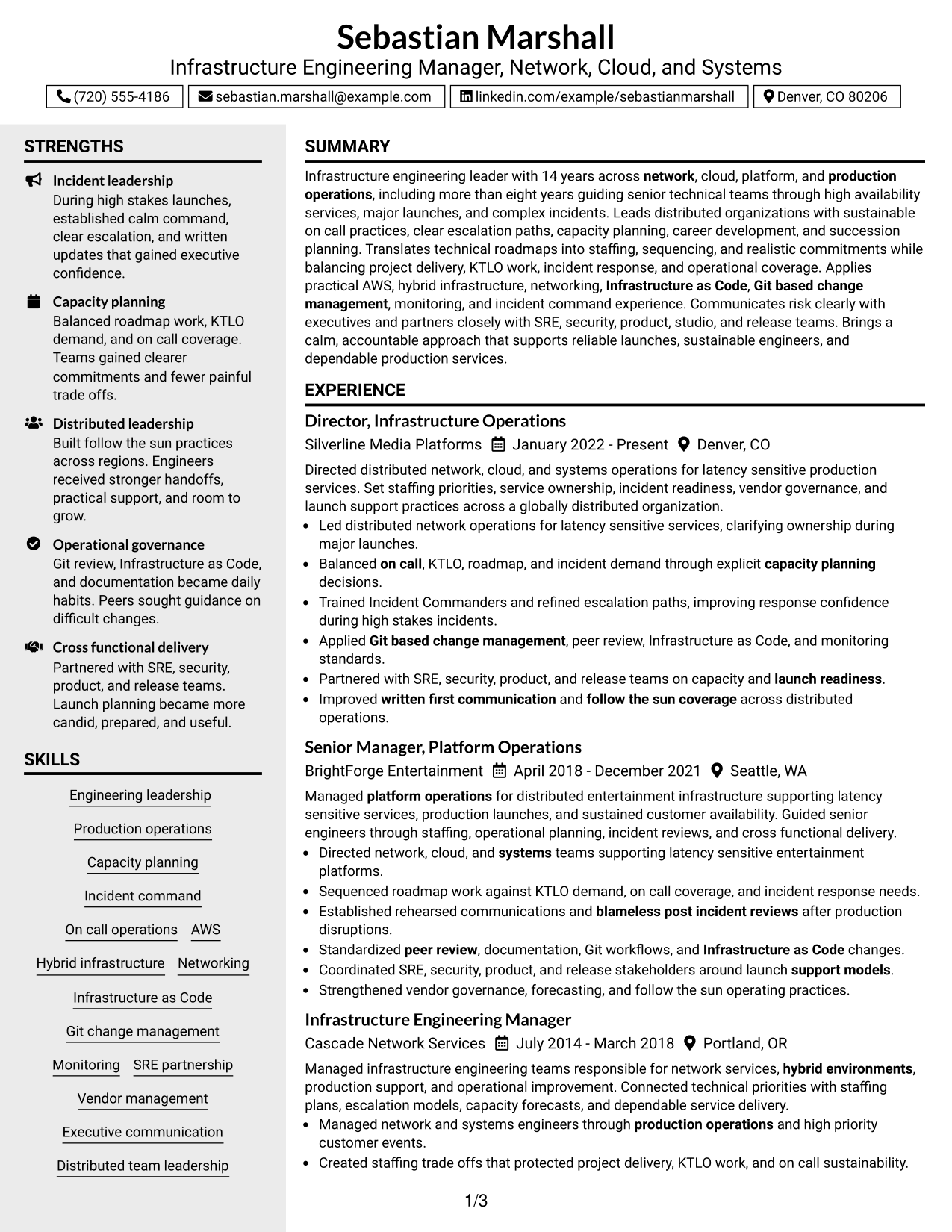
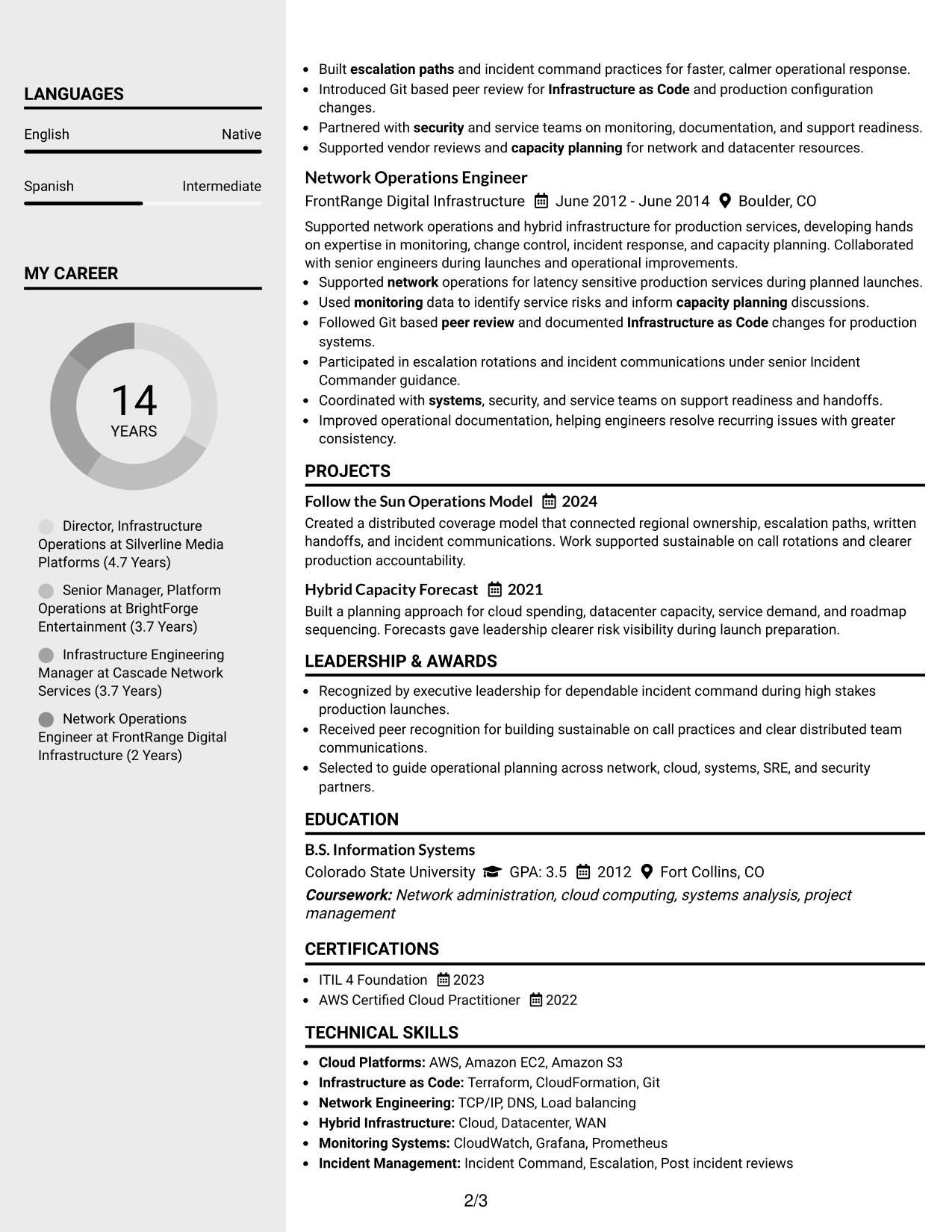
#4 Clean Two Column Sidebar Format Resume Example
A two-column body with a sidebar separates supporting details from the main career narrative, helping recruiters scan both areas quickly.
Why This Format Works
- Main column gives career progression and achievements a clear primary reading path.
- Sidebar creates a separate area for compact skills and credential information.
- Parallel sections reduce crowding when the resume contains several information categories.
Best For
- Compact skills alongside experience
- Multiple credential categories
- Balanced two-column scanning
- Career history needing a strong main column
- Readers comparing core and supporting details
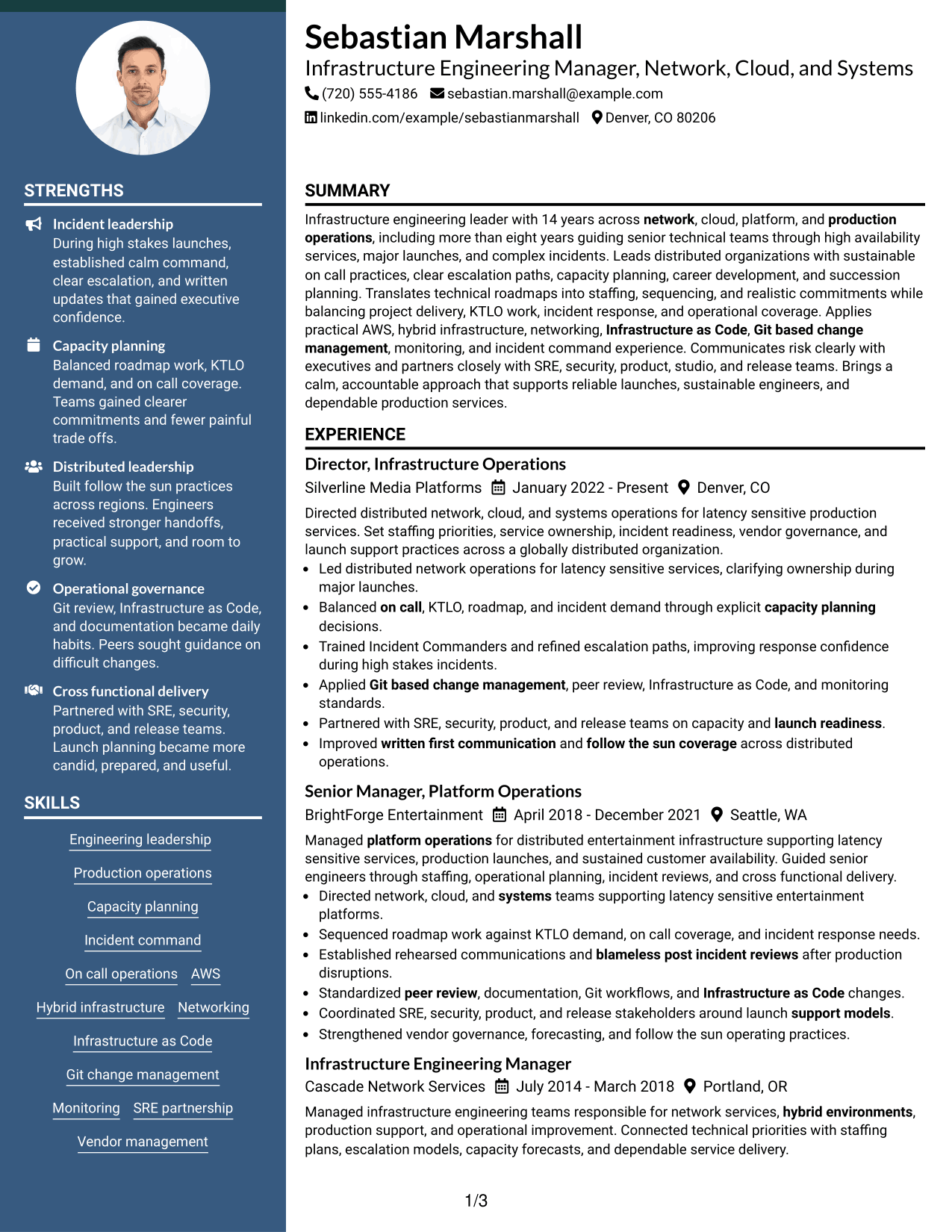
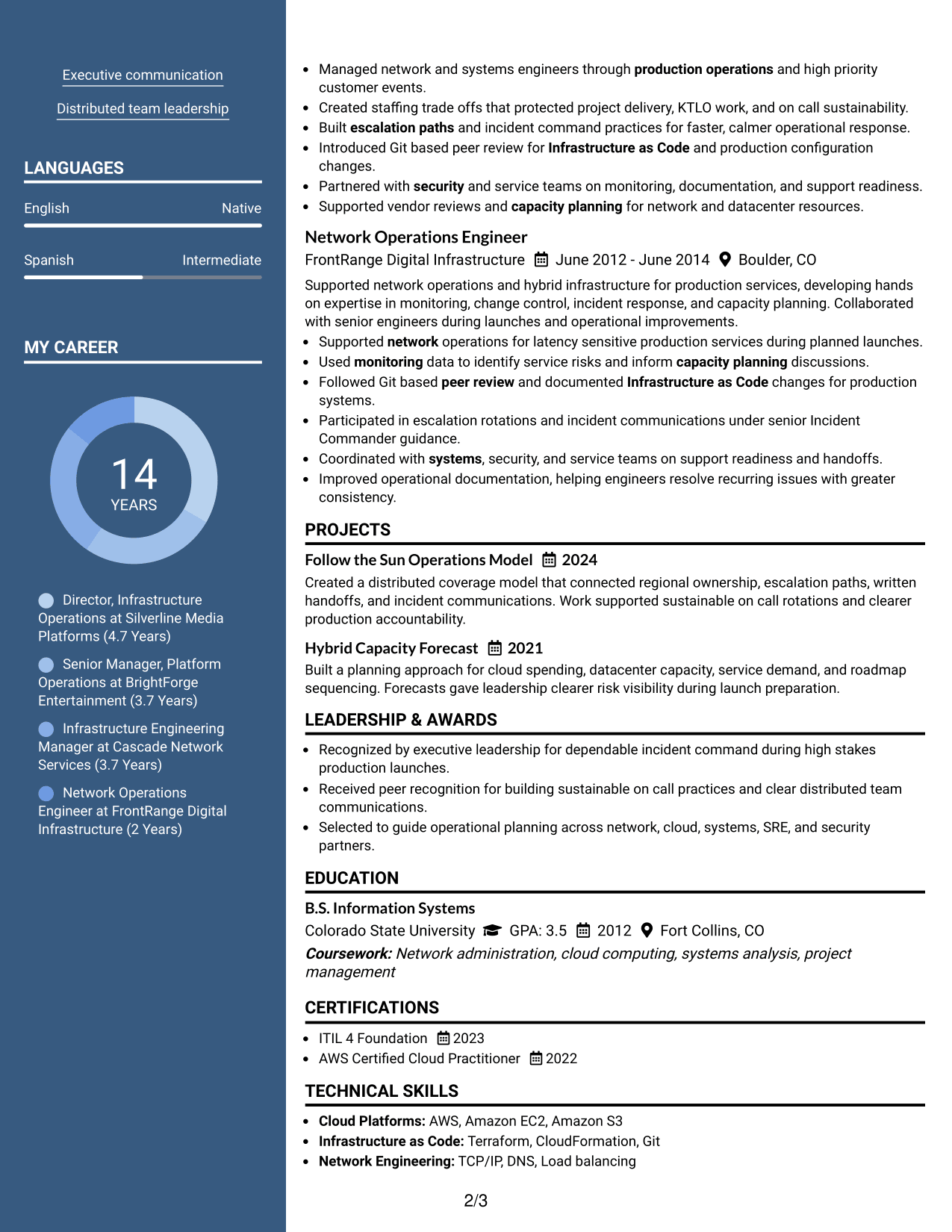
#5 Two Column Format Resume Example
Two balanced content columns let recruiters compare resume categories side by side while preserving clear section boundaries.
Why This Format Works
- Balanced columns divide substantial resume content into shorter, easier scanning zones.
- Section boundaries help separate experience evidence from skills and supporting credentials.
- Side-by-side organization uses horizontal space efficiently without compressing every section together.
Best For
- Broad resumes with varied content
- Side-by-side category review
- Balanced information density
- Shorter section blocks
- Readers comfortable with parallel scanning
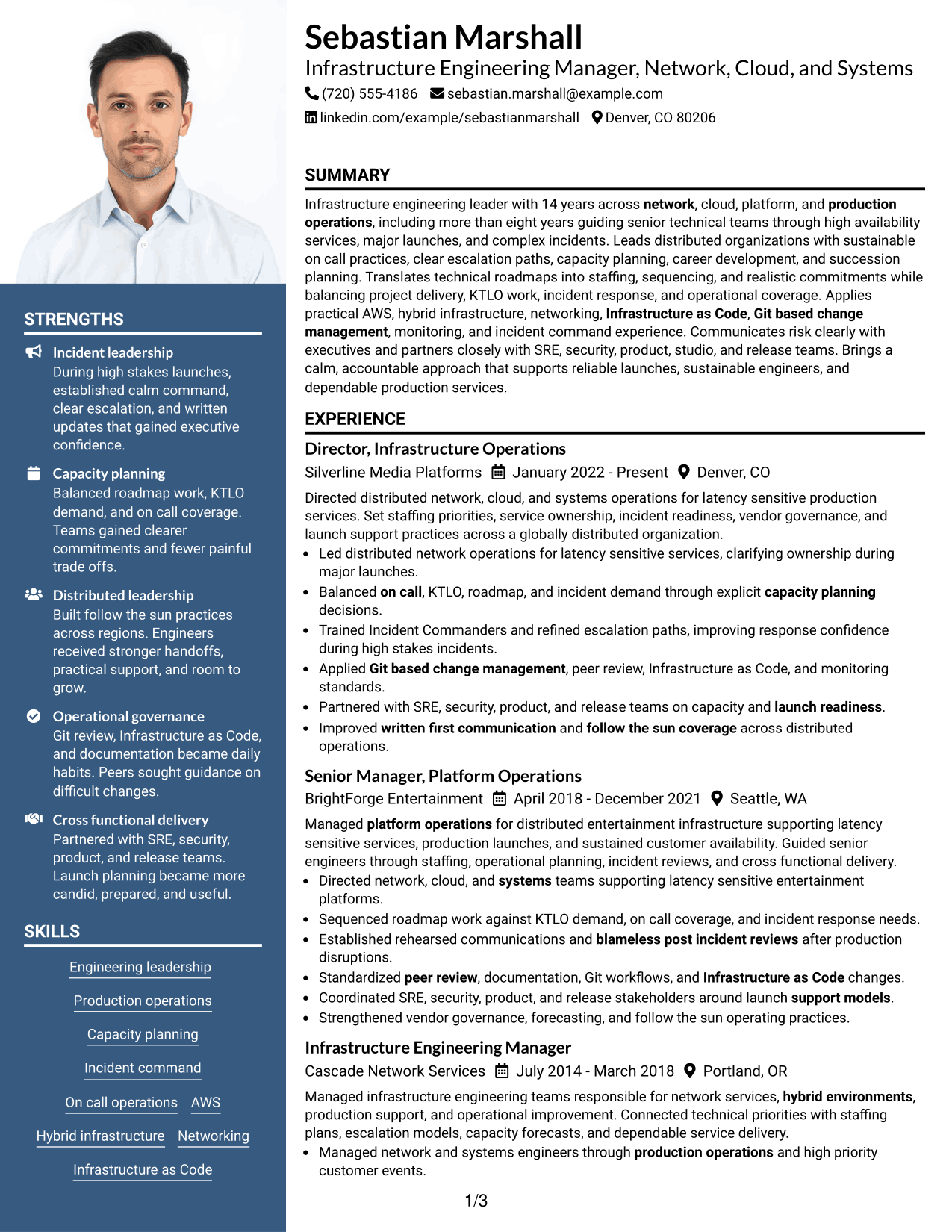
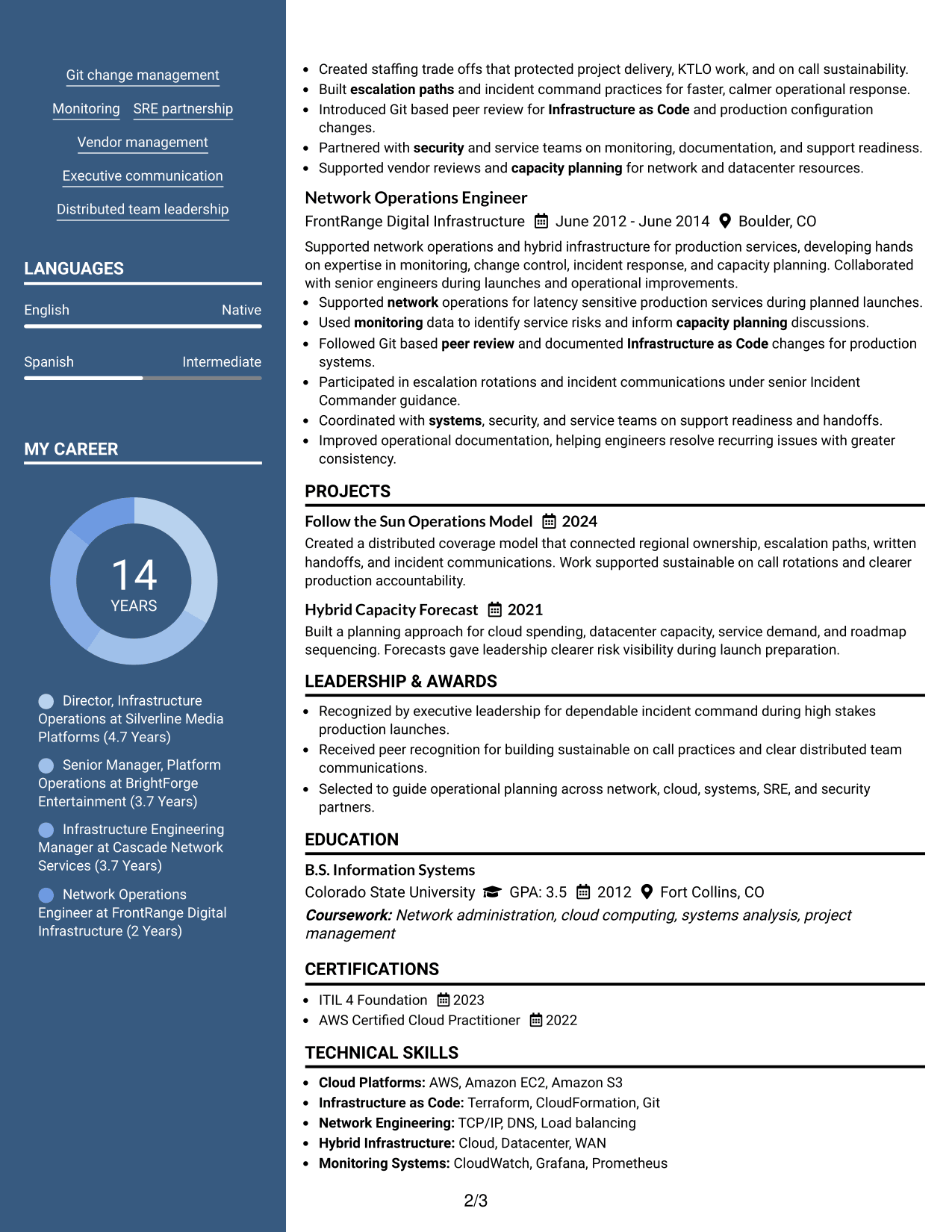
#6 Photo Header Two Column Format Resume Example
A photo-led header sits above a two-column body, giving the resume a strong identity while keeping major sections easy to compare.
Why This Format Works
- Two-column body separates career evidence from shorter supporting resume categories.
- Large header photo identifies the person while body sections remain independently organized.
- Parallel content areas help recruiters scan achievements, skills, education, and credentials efficiently.
Best For
- Markets that expect profile photos
- Two-column content comparison
- Resumes with substantial supporting details
- Applications using a visual identity header
- Readers reviewing many resume sections
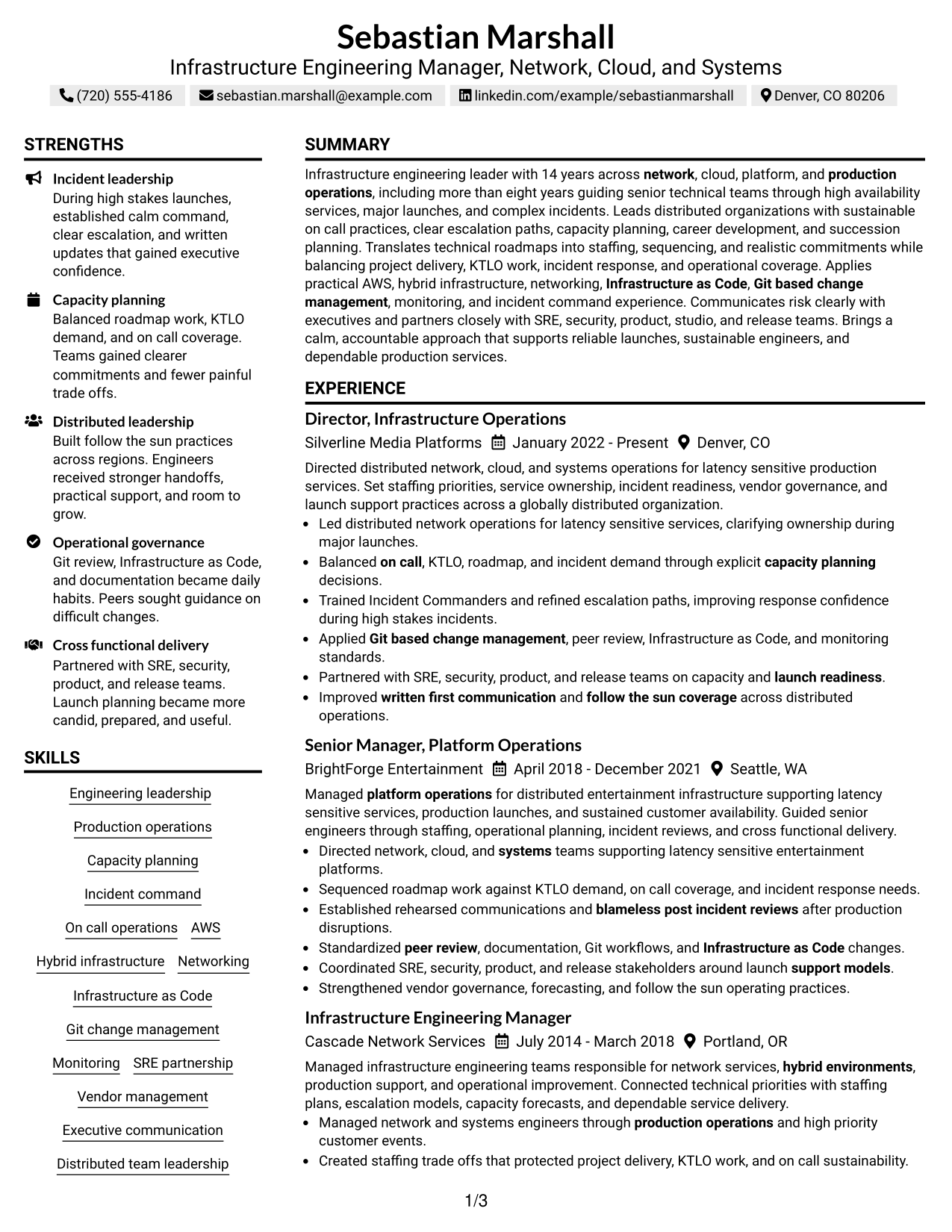
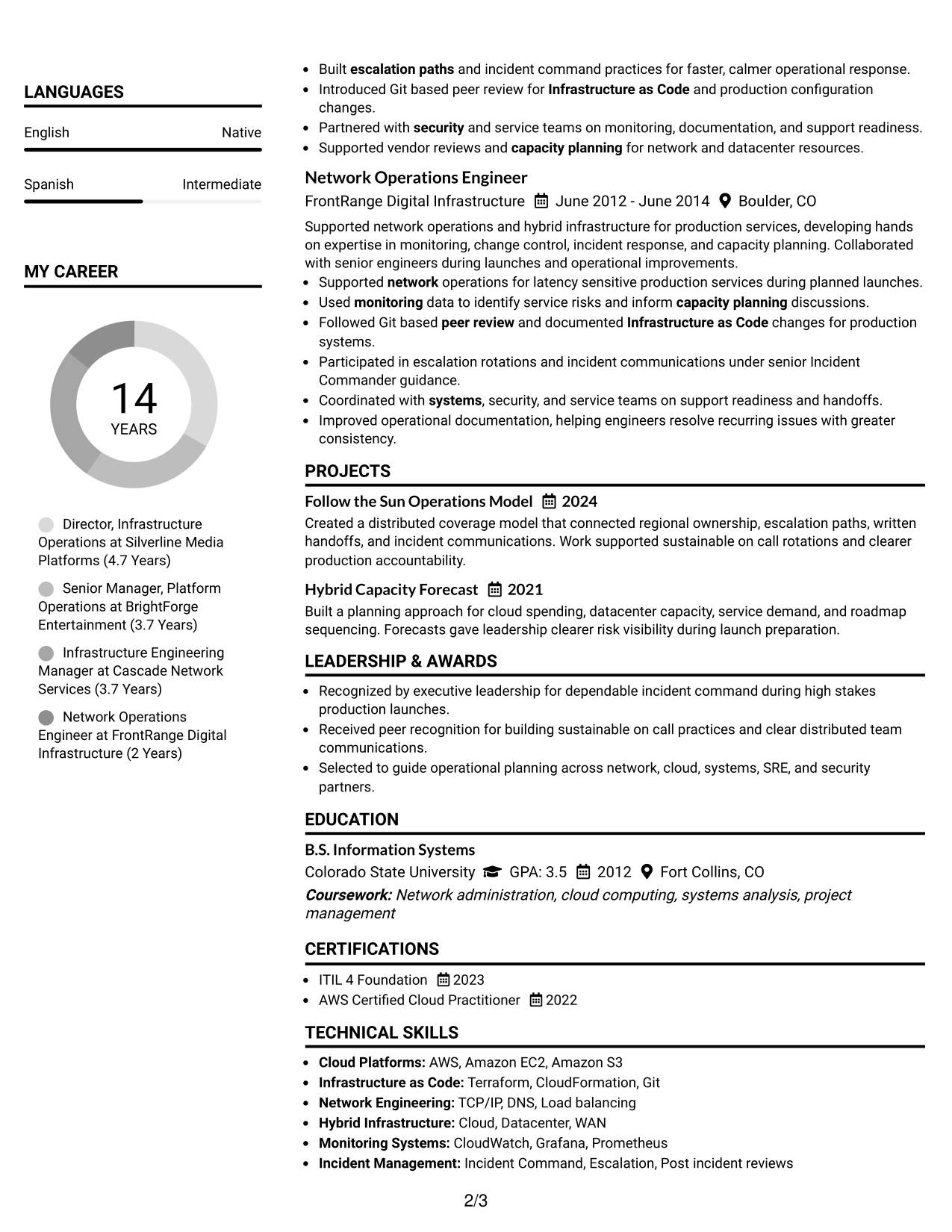
#7 Simple Two Column Format Resume Example
A restrained two-column structure groups resume information into compact sections, helping recruiters scan a dense profile without visual clutter.
Why This Format Works
- Compact columns keep detailed experience and achievements from forming long text blocks.
- Clear grouping helps recruiters distinguish career history from skills and credentials.
- Simple styling keeps attention on section content rather than decorative elements.
Best For
- Dense resumes needing compact structure
- Minimal visual decoration
- Quick comparison of section groups
- Leadership profiles with broad evidence
- Readers who value concise organization
See Also
- 33 Network Systems Engineer - Enterprise Network Infrastructure Resume Templates with Example 2026 (ATS-Optimized)
- 33 Network Systems Engineer - Municipal Network Infrastructure Resume Templates with Example 2026 (ATS-Optimized)
- 33 Cloud Engineer - Cloud Native Infrastructure Resume Templates with Example 2026 (ATS-Optimized)
- 33 ML & Cloud Infrastructure Engineer Intern Resume Templates with Example 2026 (ATS-Optimized)
- 33 Principal Cloud Infrastructure Engineer Resume Templates with Example 2026 (ATS-Optimized)
- 33 Senior Manager, Infrastructure - Cloud Operations Resume Templates with Example
- 33 Sr. Network Infrastructure Engineer Resume Templates with Example 2026 (ATS-Optimized)
- 33 Network & Cloud Engineering Intern Resume Templates with Example 2026 (ATS-Optimized)
- 30+ ML & Cloud Infrastructure Engineer Intern Cover Letter Templates with Example 2026
- 30+ Principal Cloud Infrastructure Engineer Cover Letter Templates with Example 2026
Frequently Asked Questions
Are these Infrastructure Engineering Manager - Network, Cloud, and Systems resume templates ATS-friendly?
They use clear sections, readable headings, and text-based resume content that supports ATS scanning. Keep your keywords accurate and tied to real experience.
Are these different resumes?
No. The examples use the same complete Infrastructure Engineering Manager - Network, Cloud, and Systems resume in different visual formats.
What should this resume include?
Include a focused leadership summary, infrastructure experience, measurable operational impact, technical skills, education, certifications, projects, and evidence of incident, capacity, and team management.
Which keywords are useful for this role?
Useful keywords can include engineering leadership, production operations, capacity planning, incident command, on-call operations, AWS, hybrid infrastructure, networking, Infrastructure-as-Code, Git change management, monitoring, SRE partnership, vendor management, and executive communication.
How should I show major incident experience?
State your level of accountability, the operating context, and the actions you led. Use concise bullets about incident command, escalation paths, communications, post-incident actions, and service reliability.
How should I present distributed-team leadership?
Show how you led teams across regions, set clear ownership, supported sustainable on-call rotations, improved handoffs, and developed senior engineers.
Should I include a photo on a U.S. resume?
For most U.S. applications, a no-photo resume is generally the safer choice. Use a photo only when it is customary or specifically expected for your market.
Can I customize these resume templates?
Yes. You can adapt the text, section order, and visual format while keeping every claim accurate for your own background and the target role.