7 Peer Support/Engagement Specialist Resume Templates with Example
This practical guide shows you how to build a Peer Support/Engagement Specialist resume that is clear, focused, and easy to review. You will see how strong resume structure can help your peer-support experience stand out without making the page hard to scan.
Focus your resume on recovery support, crisis engagement, de-escalation support, skill building, case management, client privacy, and timely Electronic Client Record documentation. Show lived recovery experience with care, and make clear where you supported clinical teams without presenting peer work as clinical treatment.
The same complete resume is presented in 7 layouts so you can compare reading order, section balance, and visual organization. Each example also shows how to keep important credentials, experience, skills, and ATS keywords easy to find.
What Makes a Great Peer Support/Engagement Specialist Resume in 2026
A strong resume is easy to scan and clearly connects peer recovery work with crisis engagement, practical support, accurate documentation, and team coordination.
Use focused keywords such as peer recovery support, de-escalation support, case management, Electronic Client Record, client privacy, and CRSS when they are supported by your background.
The examples shown below are intentionally detailed to demonstrate a range of experiences, skills, accomplishments and relevant keywords. We prefer detailed resumes as they provide more context to the hiring managers and also help the ATS systems identify relevant qualifications and score your resume better for a match. But the length of a resume is an individual choice. If you want a one page resume, just keep the most relevant experience and information for the job. Note: Resume examples are for educational purposes only. Use only information that accurately reflects your experience and qualifications. References to real organizations do not imply affiliation or endorsement.
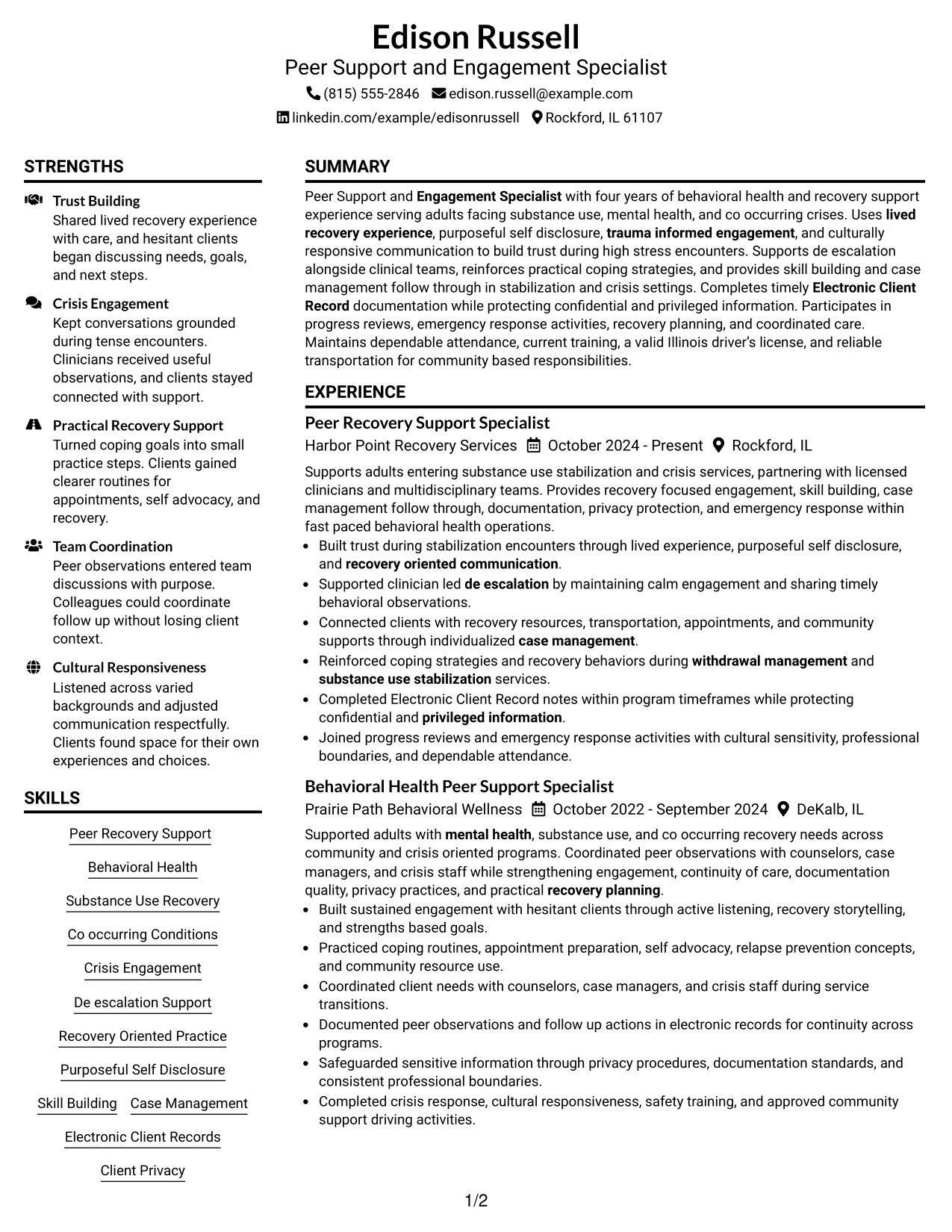
#1 Plain Two Column Format Resume Example
The Plain Two Column Format separates main experience from supporting details, helping recruiters scan the resume in parallel.
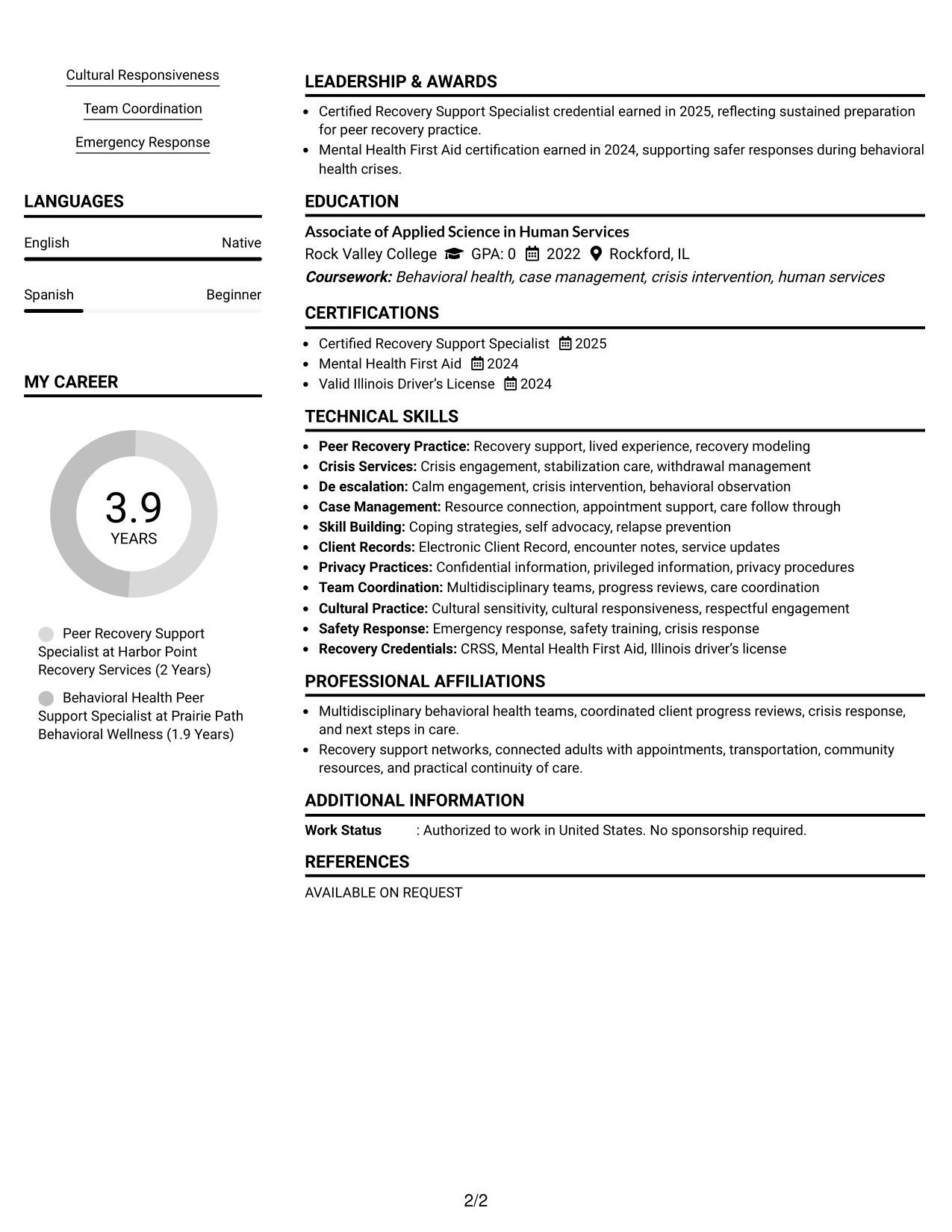
Resume Snapshot
- Four years of behavioral health and recovery-support experience
- Current Peer Recovery Support Specialist in substance use stabilization and crisis services
- Associate of Applied Science in Human Services
- Certified Recovery Support Specialist and Mental Health First Aid
Why This Format Works
- Parallel sections let recruiters compare experience and skills without losing context.
- Clear separation keeps education and credentials visible beside detailed work history.
- Balanced columns give career progression and supporting qualifications distinct reading space.
Best For
- Resumes with several supporting skill groups
- Readers comparing experience and credentials quickly
- Balanced detail across major resume sections
- Peer-support resumes with substantial work history
- Applications needing compact visual organization
Resume Keywords
- Peer Recovery Support
- Behavioral Health
- Substance Use Recovery
- Crisis Engagement
- De-escalation Support
- Purposeful Self-Disclosure
- Skill Building
- Case Management
- Electronic Client Record
- Client Privacy
- CRSS
- Emergency Response
#2 Simple One Column Format Resume Example
The Simple One Column Format gives recruiters one direct reading path from the top of the resume to the end.
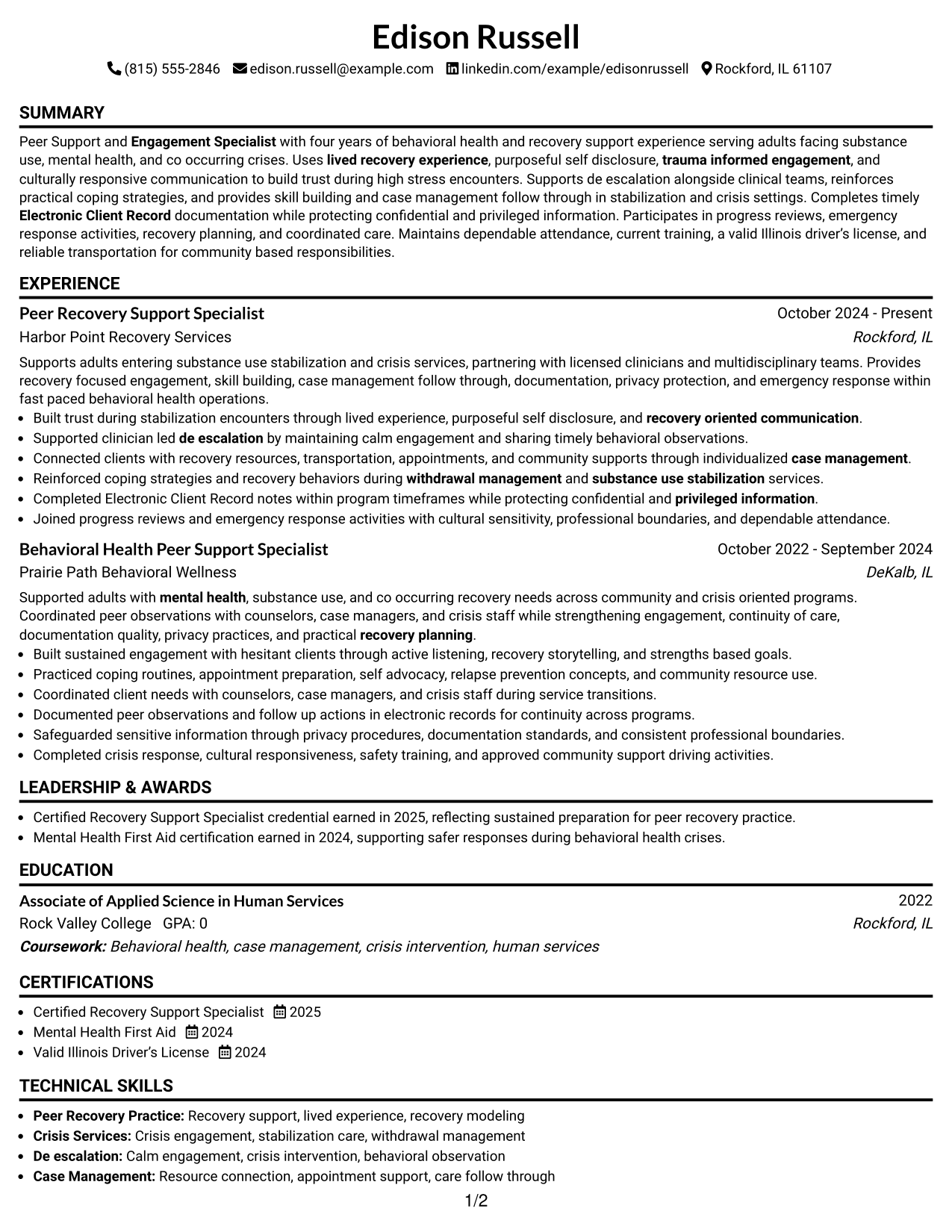
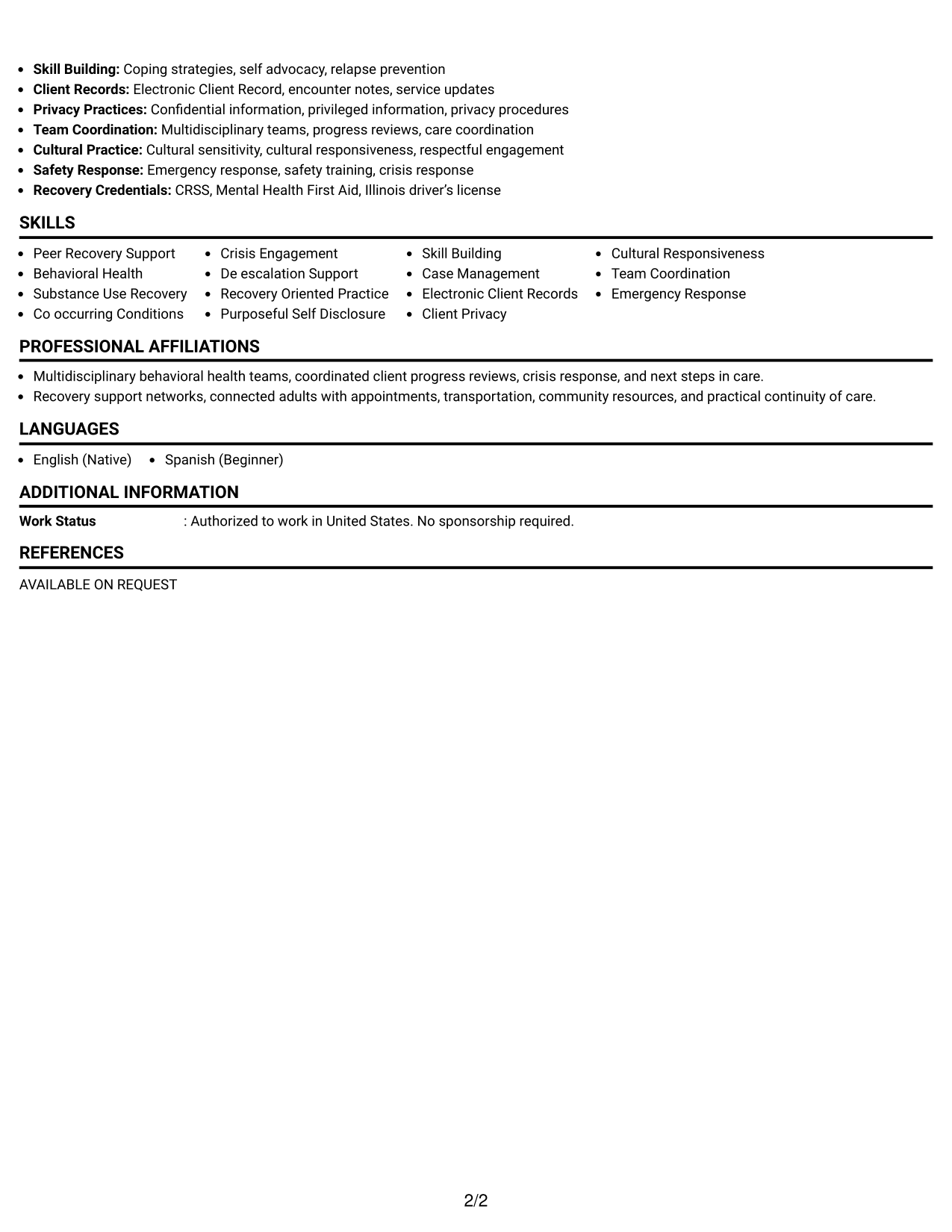
Why This Format Works
- Single reading order makes experience progression easy to follow from top downward.
- Full-width sections give detailed achievements room without competing side content.
- Skills and credentials appear in a predictable sequence after core experience.
Best For
- Straightforward recruiter reading
- Detailed experience descriptions
- Resumes with a strong chronological flow
- Applications favoring simple section order
- Readers who prefer full-width content
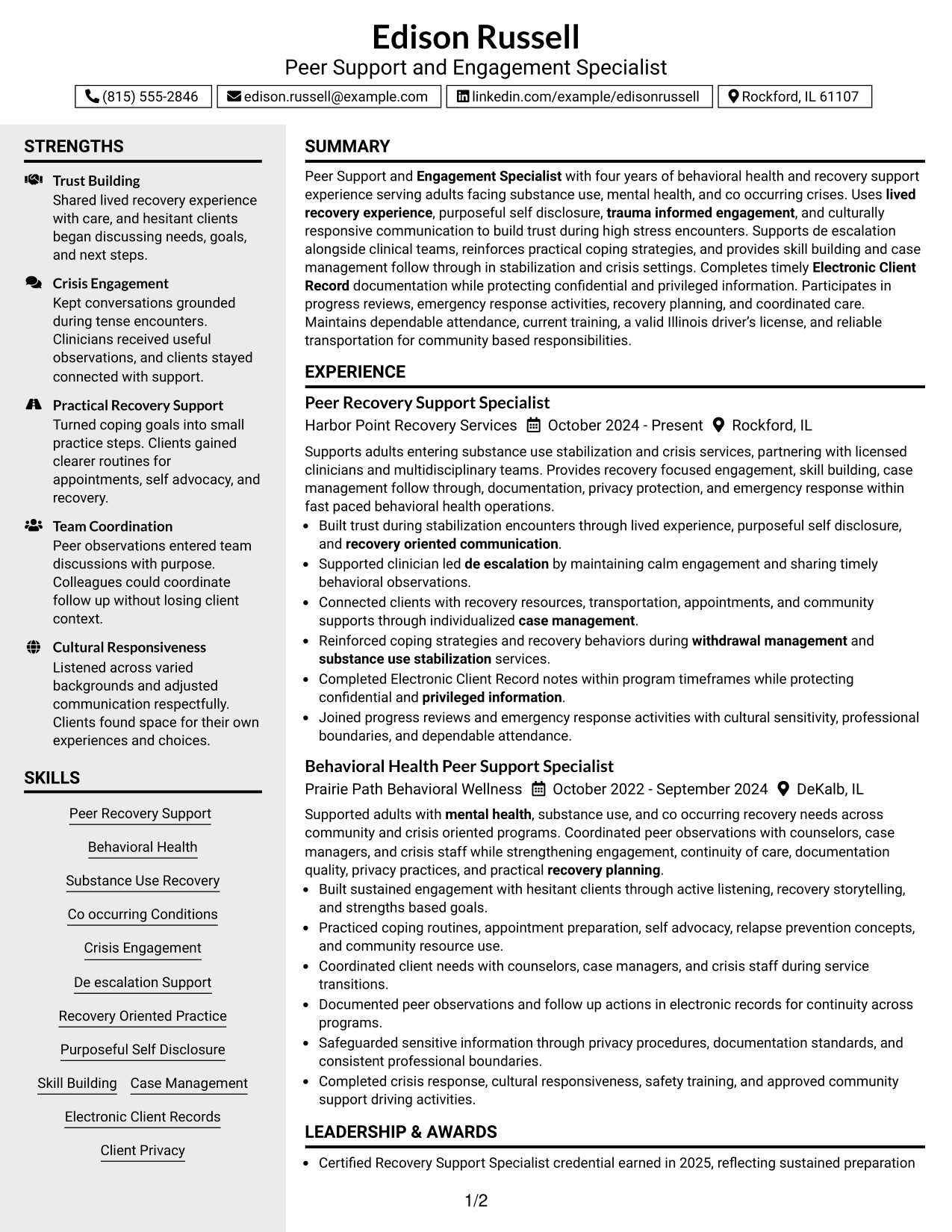
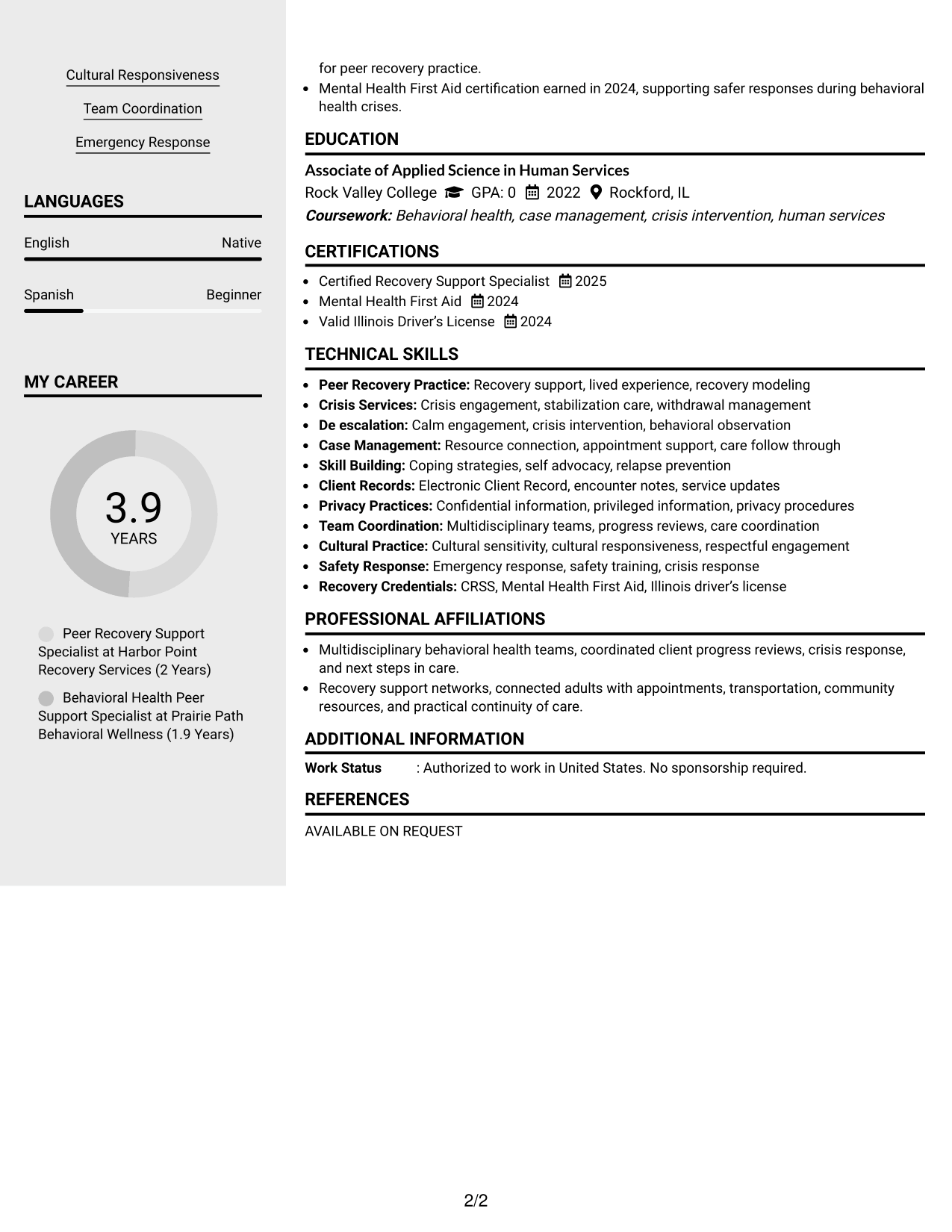
#3 Clean Two Column Sidebar Format Resume Example
The Clean Two Column Sidebar Format keeps supporting information beside the main work history, helping recruiters locate both quickly.
Why This Format Works
- Sidebar separation keeps skills available while the main column carries experience.
- Distinct columns help reviewers locate education and credentials without interrupting chronology.
- Main-column space supports detailed achievements while secondary facts remain easy to find.
Best For
- Resumes with a long skills section
- Quick access to supporting qualifications
- Experience that needs a dominant reading area
- Credentials that should stay easy to locate
- Two-track scanning without dense paragraphs
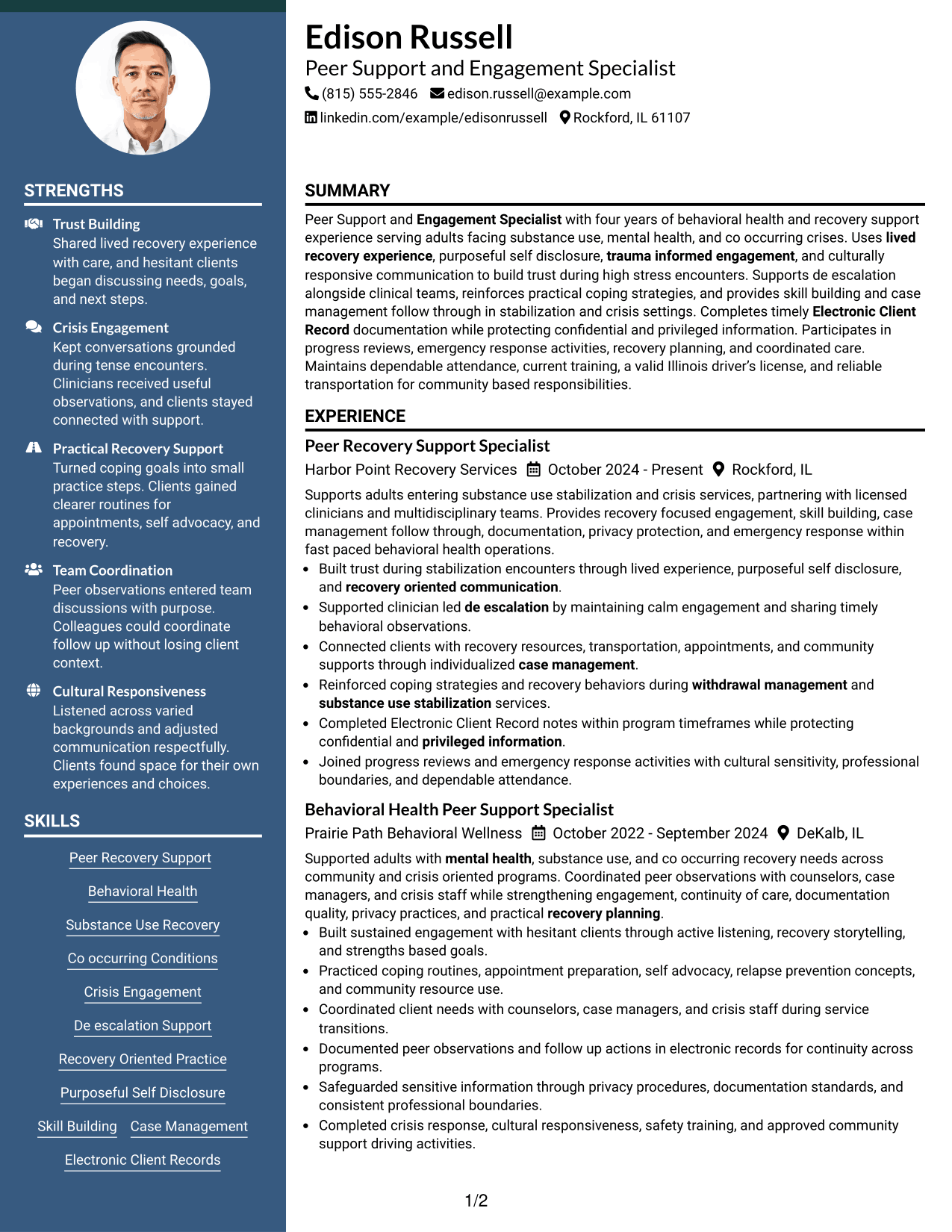
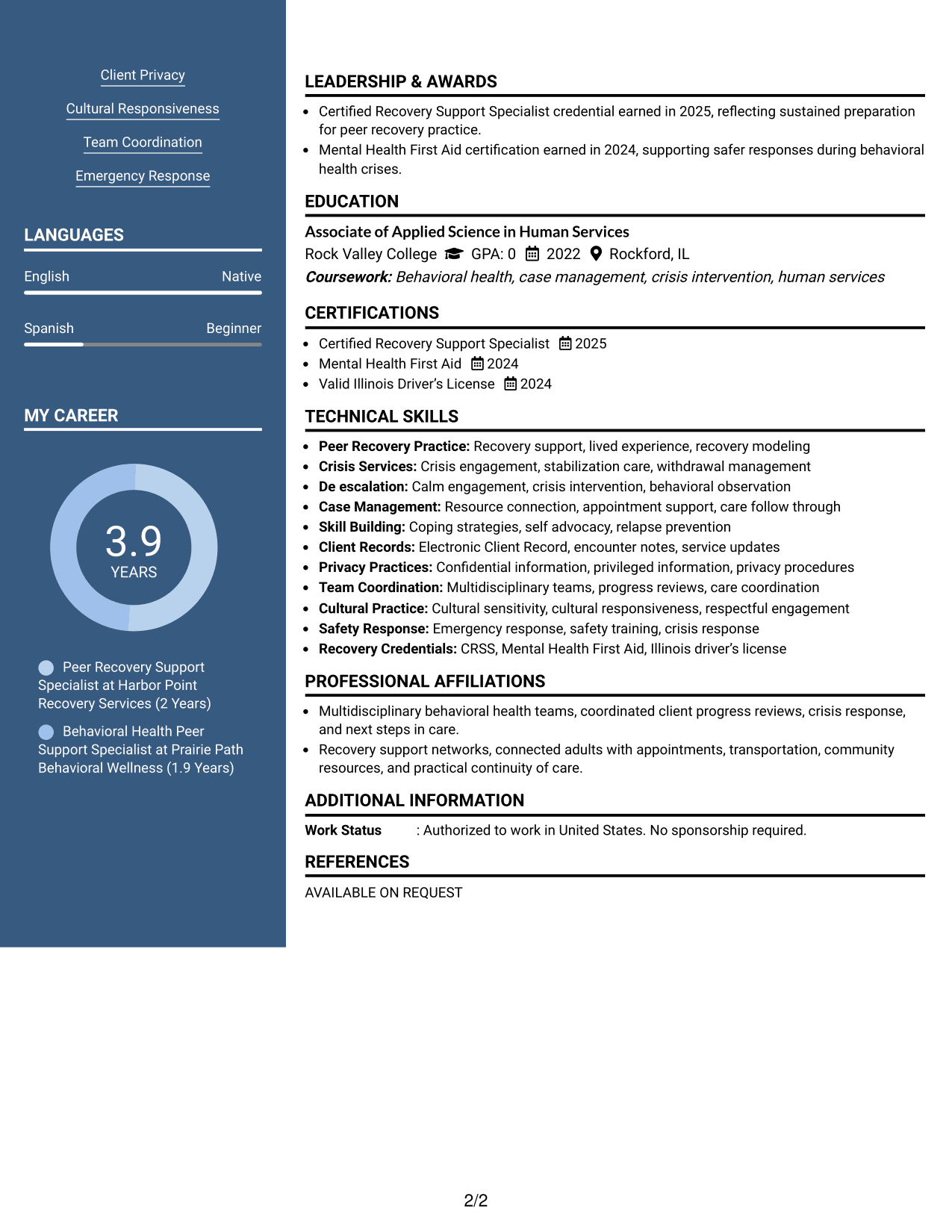
#4 Two Column Format Resume Example
The Two Column Format divides resume information into parallel areas, giving recruiters quick routes to major sections.
Why This Format Works
- Parallel content areas reduce long vertical runs across experience and supporting sections.
- Section separation helps recruiters distinguish career history from skills and education.
- Two-column balance keeps credentials visible without crowding achievement-focused experience content.
Best For
- Resumes with many short supporting sections
- Fast comparison of core and secondary information
- Career histories needing visual section breaks
- Readers scanning qualifications before details
- Content that benefits from parallel grouping
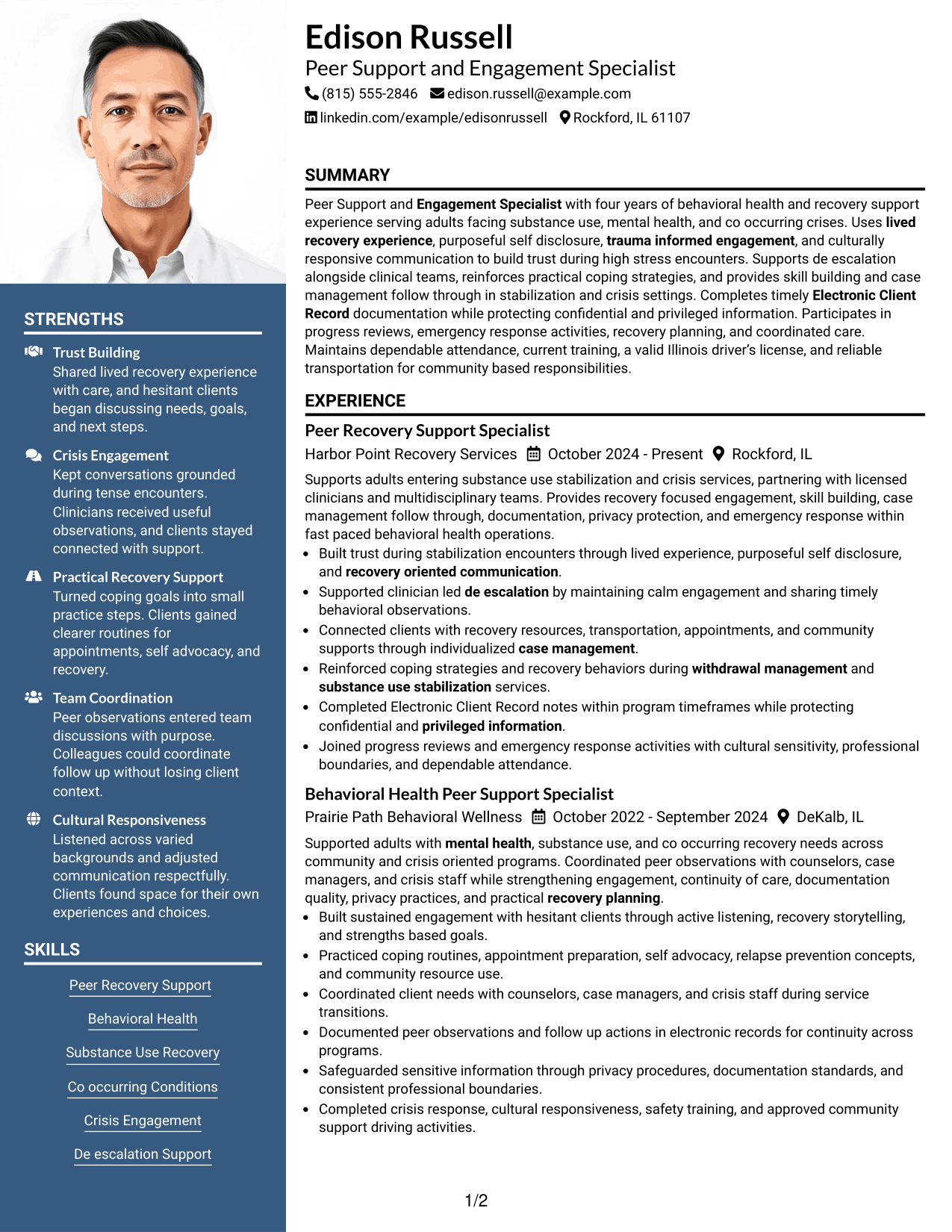
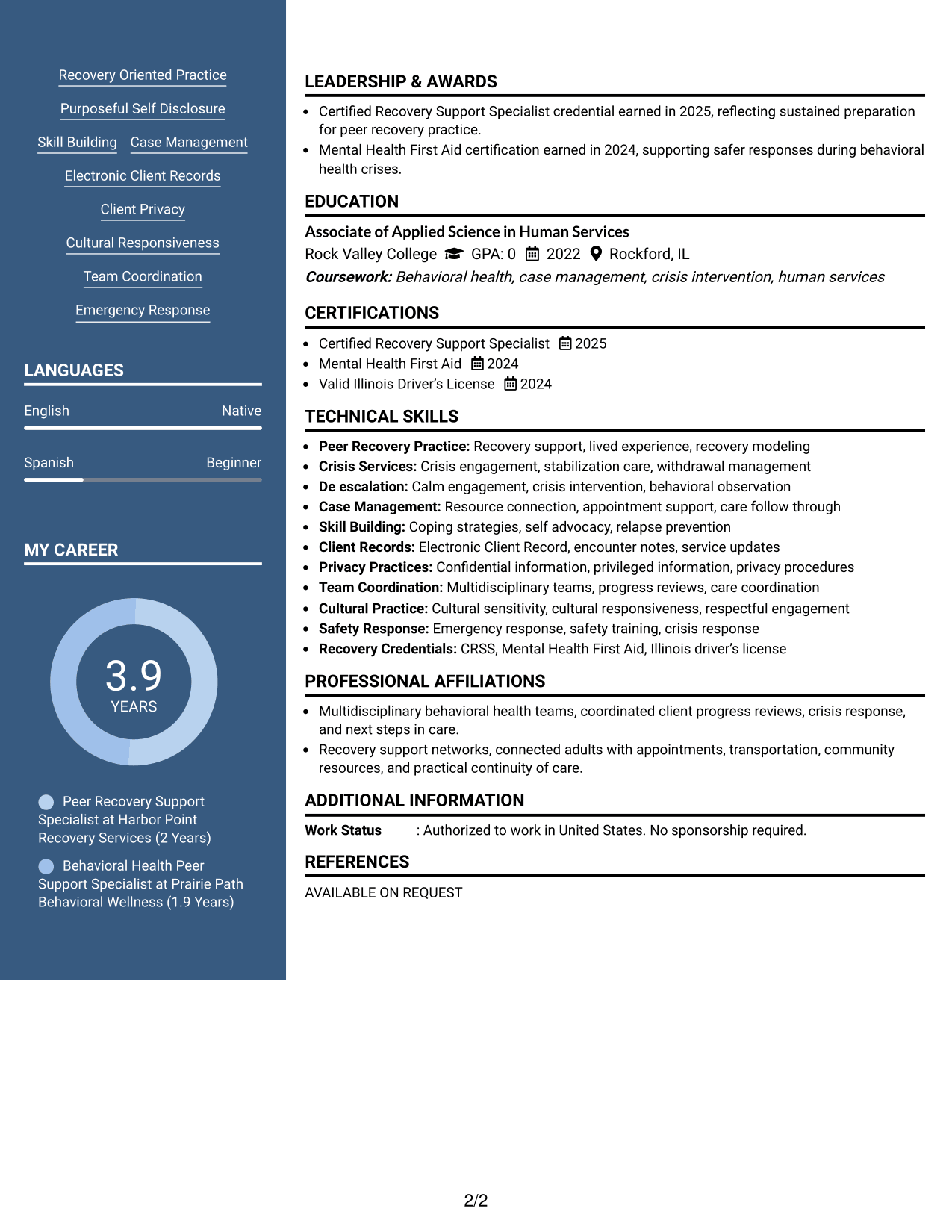
#5 Photo Header Two Column Format Resume Example
The Photo Header Two Column Format combines an identifying photo header with two-column body organization for quick recruiter navigation.
Why This Format Works
- Two body columns separate experience from supporting sections for faster navigation.
- Photo header identifies the applicant while body sections organize qualifications independently.
- Parallel structure keeps skills, education, and credentials accessible beside career history.
Best For
- Regions where resume photos are customary
- Applications that permit professional photos
- Resumes needing distinct body section groups
- Readers comparing work history and qualifications
- Content suited to parallel scanning
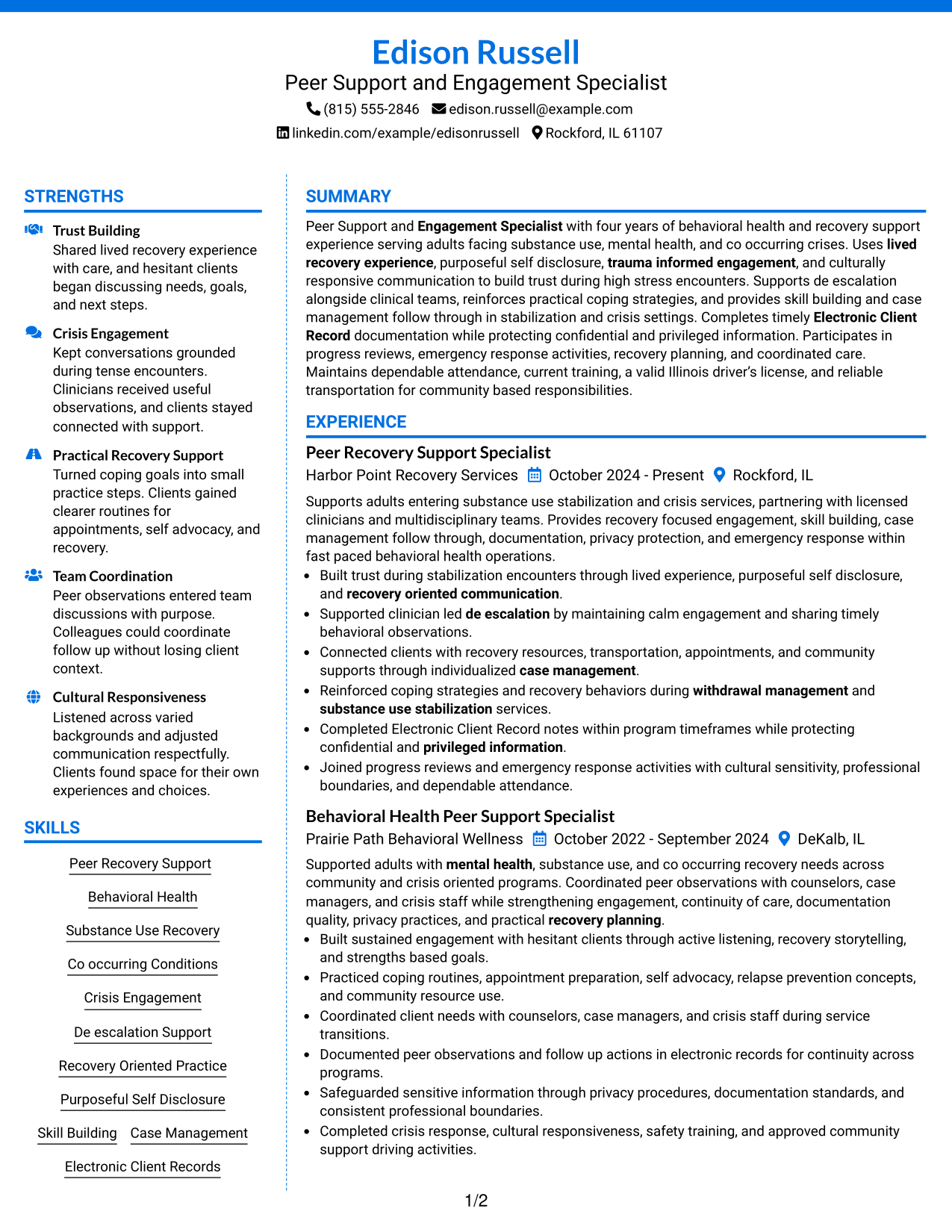
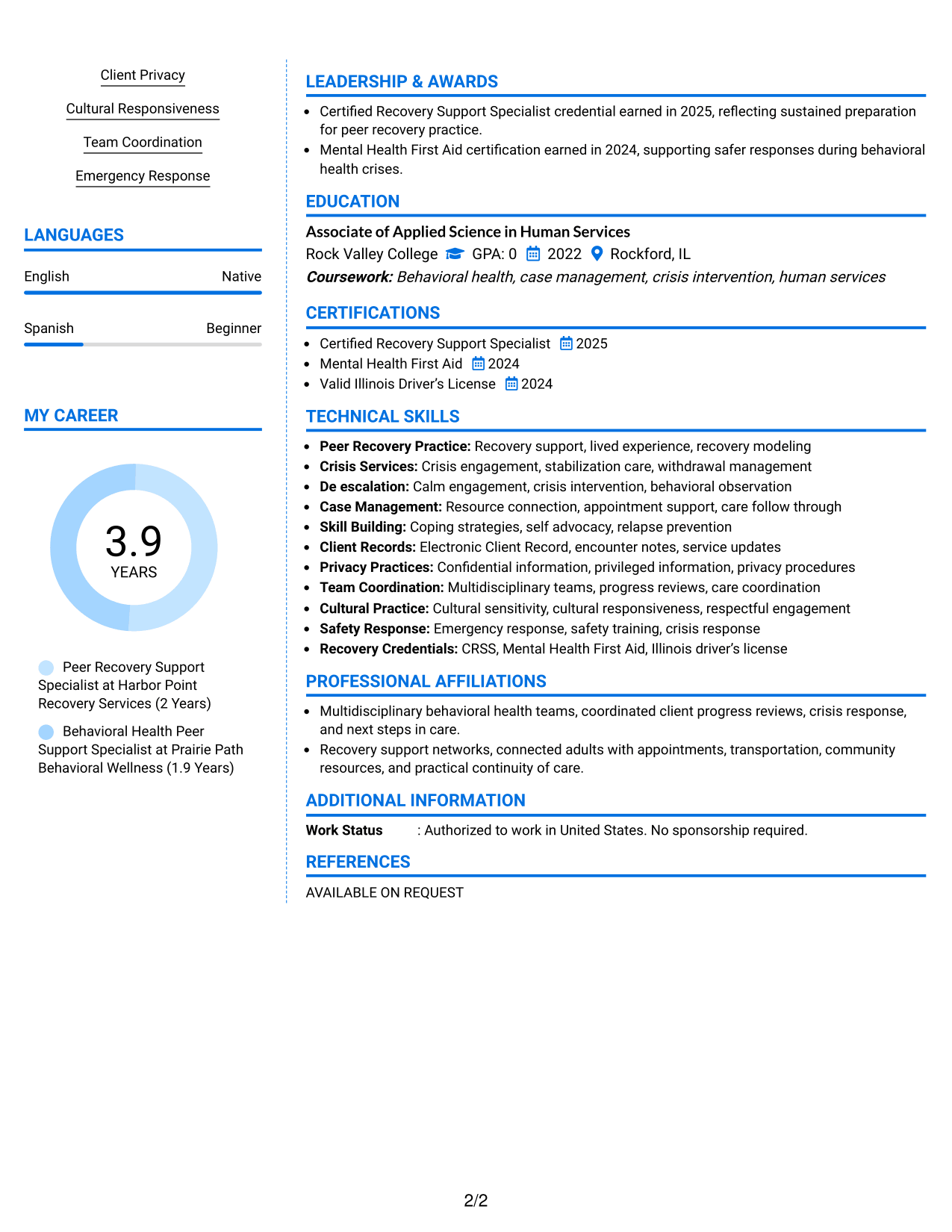
#6 Colored Two Column Format Resume Example
The Colored Two Column Format uses visual contrast with two body columns to help recruiters move between major resume sections.
Why This Format Works
- Color contrast marks section boundaries while two columns organize related information.
- Separate reading areas help experience remain distinct from skills and credentials.
- Structured columns make education and supporting qualifications easier to locate quickly.
Best For
- Applications allowing restrained visual color
- Resumes with clear section categories
- Readers who benefit from stronger section cues
- Work history paired with several qualifications
- Modern presentation with practical organization
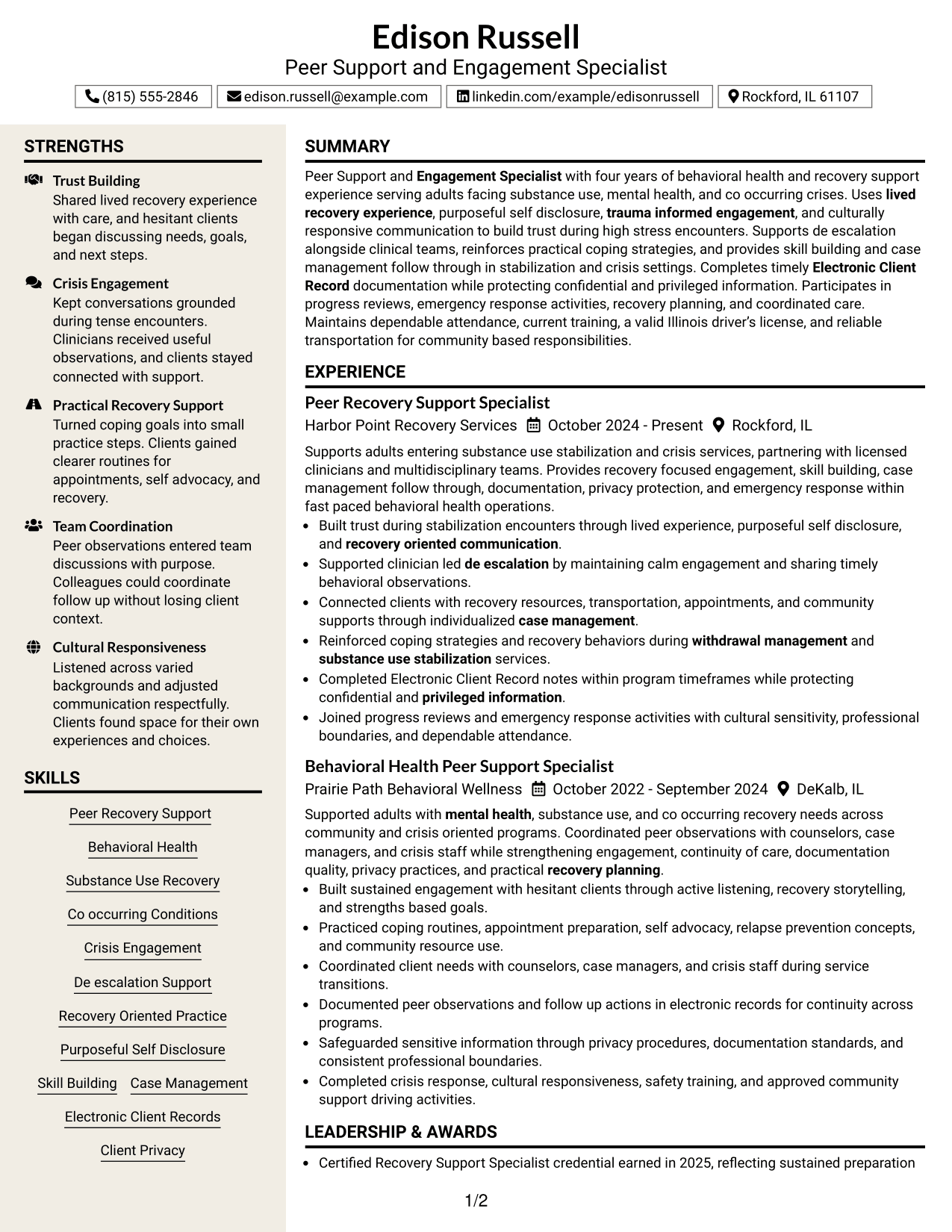
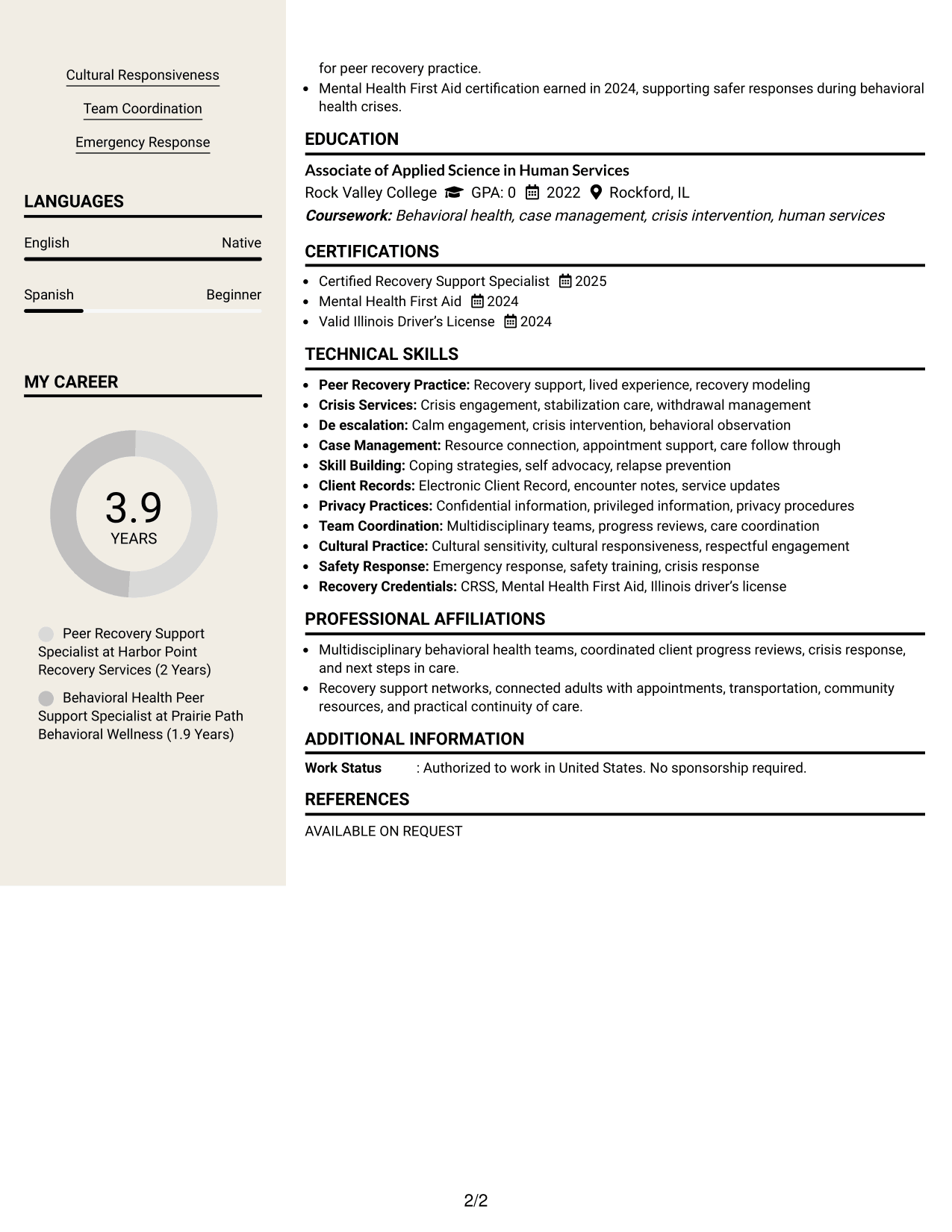
#7 Stylish Two Column Designer Format Resume Example
The Stylish Two Column Designer Format adds stronger visual styling to two-column organization, helping recruiters distinguish content groups.
Why This Format Works
- Defined content groups help recruiters separate experience, skills, education, and credentials.
- Two-column organization gives supporting sections space without breaking work-history continuity.
- Stronger visual section cues make major qualification categories easier to revisit.
Best For
- Applications welcoming more visual styling
- Resumes with several qualification categories
- Readers revisiting sections during comparison
- Experience needing uninterrupted main-column space
- Supporting details that benefit from grouping
Why Build Your Peer Support/Engagement Specialist Resume with ResumeInMinutes
ResumeInMinutes can help you organize peer-support experience, recovery credentials, crisis responsibilities, and practical client-support skills into a resume that is easier to review and tailor.
- Clear resume section structure
- ATS-friendly content organization
- Role-specific keyword guidance
- Experience and skills organization
- Free PDF resume previews
- Easy resume customization
You can adjust the wording and layout while keeping the resume centered on peer engagement, recovery-oriented practice, crisis support, documentation, privacy, credentials, and dependable teamwork.
See Also
- 7 Peer Support/Engagement Specialist - Follow Up Resume Templates with Example
- 7 Assistant Director for Employer Engagement Resume Templates with Example
- 7 Associate Director, Annual Giving Engagement Resume Templates with Example
- 33 Associate Engagement Lead - Analytics Resume Templates with Example 2026 (ATS-Optimized)
- 7 Audience Engagement Manager Resume Templates with Example
- 7 Community Engagement Board Coordinator Resume Templates with Example
- 7 Community Engagement Visibility Project Associate Resume Templates with Example
- 7 Creative Engagement Associate Resume Templates with Example
- 7 Director, Office of Community Outreach and Engagement Resume Templates with Example
- 30+ Associate Engagement Lead - Analytics Cover Letter Templates with Example 2026
Frequently Asked Questions
Are these Peer Support/Engagement Specialist resume templates ATS-friendly?
Yes. They use clear resume sections and readable headings. Your content should also include supported terms such as peer recovery support, crisis engagement, case management, Electronic Client Record, and client privacy.
Are these different resumes?
No. This guide shows one complete Peer Support/Engagement Specialist resume in several visual layouts so you can compare structure and readability.
What should a Peer Support/Engagement Specialist resume include?
Include a focused summary, relevant peer-support experience, recovery and crisis skills, education, credentials such as CRSS when earned, documentation experience, and clear examples of team coordination.
Can I download the resume templates as PDFs?
Yes. Each design includes a free PDF preview so you can compare the format before choosing the layout that fits your resume content.
Which resume style works well for a Peer Support/Engagement Specialist role?
A simple one-column or clear two-column layout can work well when it keeps experience, skills, education, and credentials easy to locate. Choose the format that best matches your amount of content and preferred reading order.
How should lived recovery experience appear on the resume?
Describe it in professional terms that show purposeful self-disclosure, recovery modeling, trust building, and appropriate peer-support boundaries. Share only the personal detail you are comfortable including.
Should I include a photo on my resume?
Include a photo only when it is normal and appropriate for the country or application. For many U.S. applications, a no-photo resume is usually the safer choice.
Can I customize these resume templates?
Yes. You can edit the resume text, section order, visual style, and PDF layout while keeping your information accurate and relevant to the target role.